Films People Pull a Fast One Night Beat Reading Room On TV Shop
Sorry 1948
1948 Hal Wallis Productions
★★★☆☆ Notable
Film Noir · 89 minutes · Black & White

Sorry

Directed by Anatole Litvak
Year 1948
Runtime 89 min
Studio Hal Wallis Productions
TMDB 6.8 / 10
"A woman alone, a telephone, and the slow certainty that no one is coming."

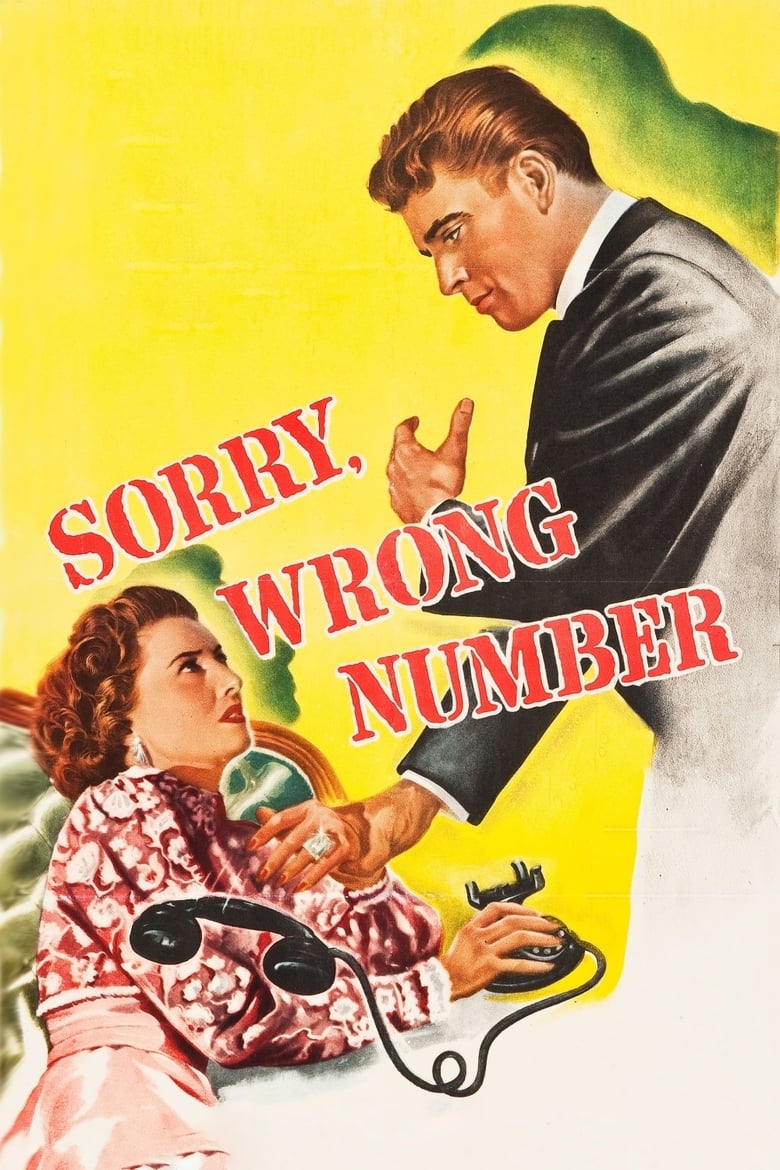
Leona Cotterell Stevenson (Barbara Stanwyck) is a wealthy, bedridden invalid whose world has contracted to the dimensions of her Manhattan bedroom. One evening, while attempting to reach her husband Henry (Burt Lancaster), she accidentally intercepts a phone conversation between two men plotting a murder – a murder scheduled for that very night. Unable to leave her bed and unable to convince the authorities to take her seriously, Leona begins working the telephone lines with mounting desperation, piecing together fragments of information about the intended victim.

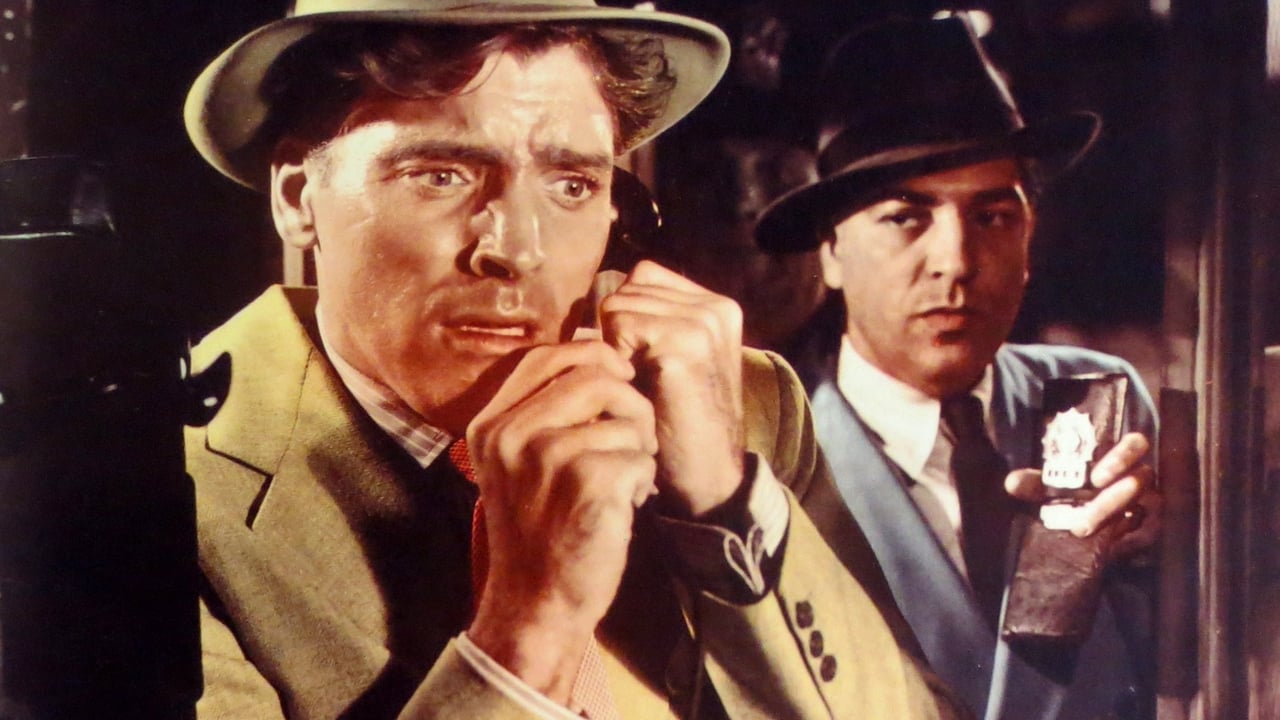
As Leona digs deeper, the investigation turns inward. Henry, a man of modest origins who married into her father's pharmaceutical empire, emerges as a figure with motives and associations she had chosen not to examine. His dealings with underworld figures, including the fixer Morano (William Conrad) and the quietly menacing Waldo Evans (Harold Vermilyea), suggest a parallel life conducted entirely beyond Leona's reach. The testimony of her doctor, Philip Alexander (Wendell Corey), and the account of Henry's former acquaintance Sally Hunt Lord (Ann Richards) complicate the portrait further, revealing a marriage built on concealment and convenience rather than anything resembling trust.

Sorry unfolds in a reverse chronology of depositions and recollections, assembling its narrative the way an inquest assembles evidence – piece by piece, with each witness adding context that darkens what came before. The film belongs to that strand of postwar noir concerned less with criminal investigation than with the archaeology of a failed domestic life, where the trap is not a room but a marriage, and the protagonist's paralysis is as much psychological as physical.
Classic Noir

Sorry occupies an instructive position in the postwar noir cycle: it is a film whose formal constraint – a protagonist immobilised throughout – forces the genre's characteristic entrapment from metaphor into literal fact. Stanwyck, working at the height of her noir authority, finds real psychological texture in a character whose victimhood is inseparable from her culpability. Leona Cotterell Stevenson is not merely helpless; she is a woman who purchased a husband and refused to audit the transaction. Litvak's structural decision to fragment the narrative through a series of retrospective testimonies distributes moral weight across the cast rather than concentrating it in any single figure, which is more interesting than it might first appear. The screenplay, derived from Lucille Fletcher's radio drama, retains the compressed theatricality of its source while using cinema's capacity for visual accumulation to deepen what radio could only suggest. Waxman's score maintains a controlled unease without overwhelming the dialogue-driven sequences. The film does not reach the formal severity of its closest peers, but it earns its reputation as a model of genre economy.

– Classic Noir
3 ★★★☆☆ Notable
Credits

The Crew

DirectorAnatole Litvak
ScreenplayLucille Fletcher
CinematographySol Polito
MusicFranz Waxman
Art DirectionHans Dreier
CostumesEdith Head
ProducerHal B. Wallis
Performances

The Cast

Close Reading

The Signature Scene

Sorry – scene
The Bedroom, Late Evening The Last Call Answered

Polito's camera holds Stanwyck in a tight medium shot, the telephone receiver pressed against her cheek, the bedside lamp the sole source of warm light in a frame otherwise composed of cool greys and the geometric shadows thrown by the window casement. The room's walls recede into darkness at the edges, so that Leona appears not merely bedridden but suspended – the lamp forming a kind of halo that reads more as spotlight than comfort. When she speaks, her breath is audible; when she listens, the silence on the other end of the line is given full duration.

The scene functions as the film's thesis made visible: here is a woman whose instrument of power – the telephone, the social network, the family money that bought her everything except loyalty – has become the instrument of her own exposure. The light that singles her out is not flattering; it is the light of the witness box. Leona has spent the film trying to be heard, and now she is, in the worst possible sense.

Visual Language

The Cinematography

🎞️
Sol Polito – Director of Photography

Sol Polito's work on Sorry is a study in institutional confinement achieved through studio means. Shooting almost entirely within a single set, Polito uses lens compression to make the bedroom feel both suffocating and weirdly grand – a space that implies wealth while denying freedom of movement. His lighting design owes a clear debt to German Expressionist practice: single-source practicals cast long shadows across the ceiling and walls, turning domestic furnishings into architectural threats. The telephone, recurring as the film's central object, is consistently lit to draw the eye – a gleaming, almost sculptural presence. In the flashback sequences, Polito shifts his palette toward a cooler, flatter register, as though the past is recalled through frosted glass rather than experienced directly. This tonal differentiation between present-tense confinement and retrospective testimony is one of the film's more disciplined visual strategies, and it gives the narrative's fragmented structure a coherent sensory logic.

In the Catalogue

Themes & Motifs

Availability

Where to Watch

Also in the Directory

See Also