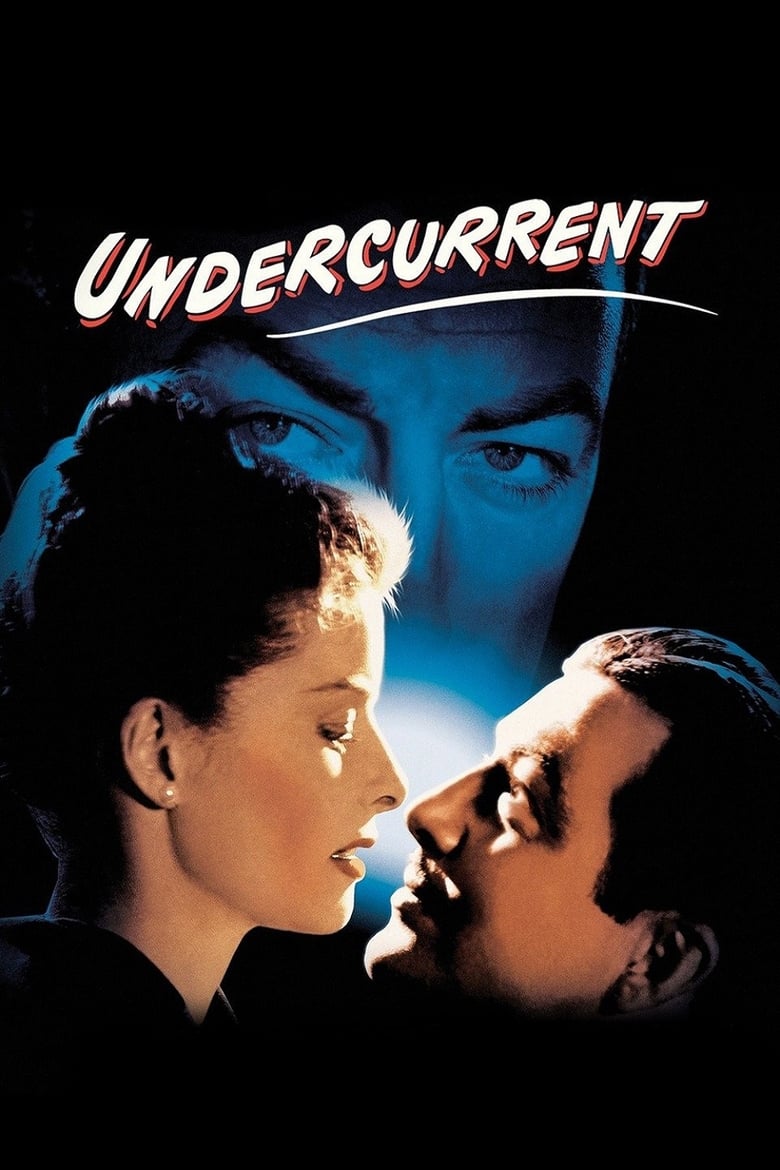
In postwar Japan, Kiwa Funaki is a young woman navigating the constrained expectations of her family and class. When she becomes entangled with Yukio Takemura, a man of uncertain means and shadowed past, the relationship offers both escape and danger. Goro Okamoto, a figure from Takemura's world, hovers at the edge of Kiwa's life, his presence a persistent reminder that the men around her carry histories they have not disclosed.
As Kiwa moves deeper into her involvement with Takemura, the loyalties of those closest to her shift and realign. Setsuko and Atsuko occupy positions that complicate any clean reading of innocence or guilt, while Miyo and Kiyoyoshi Funaki represent the domestic world Kiwa risks losing. The film refuses to settle its moral weight on any single character, distributing culpability across a social structure that traps women inside arrangements they did not choose.
Undercurrent draws on the femme fatale tradition while redirecting its pressure inward, toward social confinement rather than individual wickedness. The film belongs to a strain of Japanese noir that interrogates the cost of modernization and the persistence of prewar hierarchies beneath a surface of postwar renewal, using the conventions of the crime picture to examine what remains unresolved when a society remakes itself.
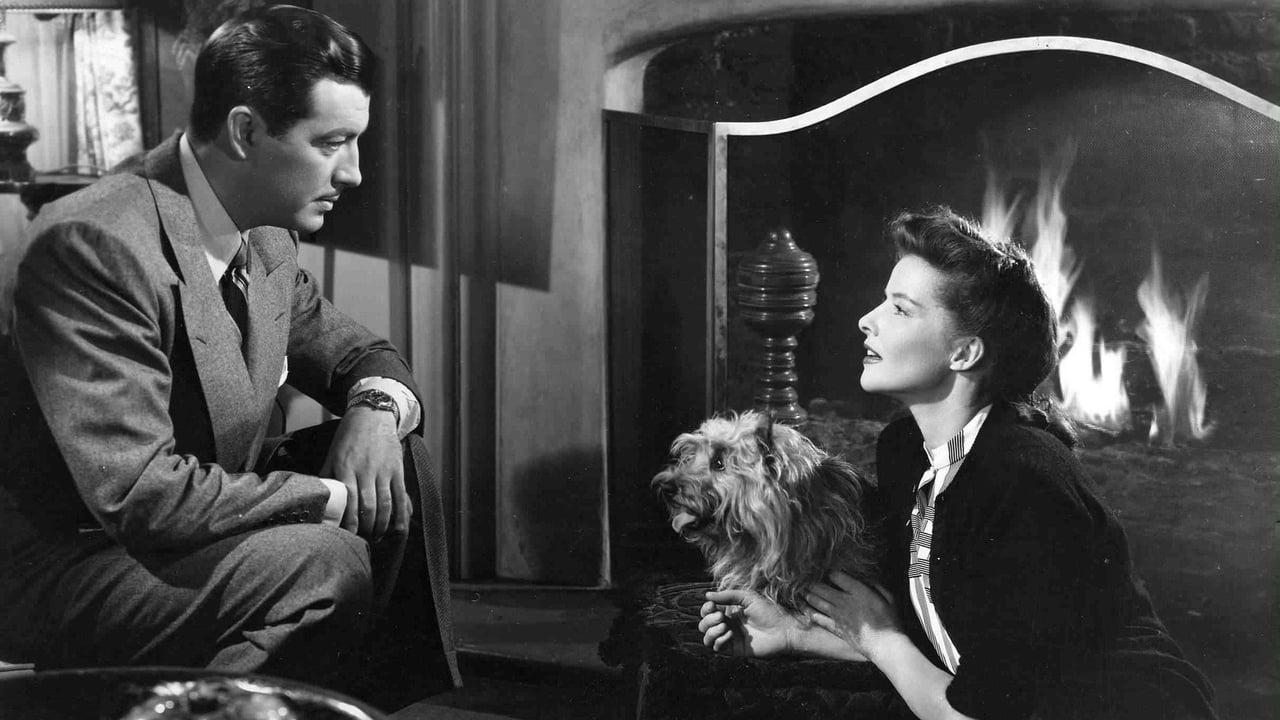
Kōzaburō Yoshimura's Undercurrent occupies a specific and underexamined position in the postwar Japanese noir cycle, working through Daiei's studio infrastructure to produce something more psychologically interior than the crime films emerging from Toho in the same period. The film does not operate through violence so much as through sustained pressure – the pressure of unspoken arrangement, class obligation, and the particular vulnerability of women whose choices are structurally limited. Yoshimura had spent the prewar and wartime years making films under strict censorship, and the postwar loosening of those constraints gave directors of his generation a new vocabulary for examining social constraint through genre. Kazuo Miyagawa's cinematography, which elsewhere served Kurosawa and Mizoguchi with equal authority, here turns toward interiority, using domestic space as a field of entrapment. The film's place in the international noir canon remains marginal, largely because it has circulated poorly outside Japan, but on its own terms it is a lucid and unsentimental piece of work.
– Classic Noir
Miyagawa frames Kiwa at the water's edge with the horizon line dropped low, compressing the sky against the surface of the river. Available light or its studio simulation renders the water as a field of diffuse, non-directional illumination that flattens depth while isolating the figure. The camera holds at a slight remove, refusing the close-up that would anchor the scene in individual psychology, keeping Kiwa within the landscape rather than extracting her from it.
The composition argues that Kiwa is not exceptional – not a woman whose fate is singular – but a figure whose situation is produced by the terrain she inhabits. The water functions as the film's central visual metaphor: a surface that reflects without revealing, that moves without apparent origin or destination, that carries things beneath it which do not show. The scene positions her at the edge of a decision the film will not allow her to make cleanly.
Kazuo Miyagawa brings to Undercurrent the same disciplined attention to light and architectural space that characterizes his work across directors and studios throughout this period. Where his collaboration with Kurosawa favored dynamic movement and lateral depth, here Miyagawa works in a register closer to enclosure. Interior scenes are lit with a controlled chiaroscuro that owes something to the American noir template but modulates it through the geometry of Japanese domestic space – sliding screens, low ceilings, threshold zones between rooms that become charged with dramatic meaning. His lens choices favor modest focal lengths that preserve spatial relationships without distortion, grounding the psychological instability of the narrative in physical environments that read as entirely plausible. Shadow work is precise rather than decorative, falling in ways that map the moral topology of scenes: who is concealed, who is exposed, who stands in the ambiguous middle ground. The cinematography serves Yoshimura's argument that social constraint is not metaphorical but architectural.
The most reliable home for Daiei and Yoshimura titles in North America, with the strongest likelihood of a restored transfer and contextual framing.
MUBISubscriptionMUBI periodically programs postwar Japanese cinema in depth and may carry this title in rotation, though availability varies by region.
KanopyFree (library card)Kanopy's Japanese cinema holdings are uneven but worth checking, as it has carried Daiei titles through academic library partnerships.