Films People Pull a Fast One Night Beat Reading Room On TV Shop
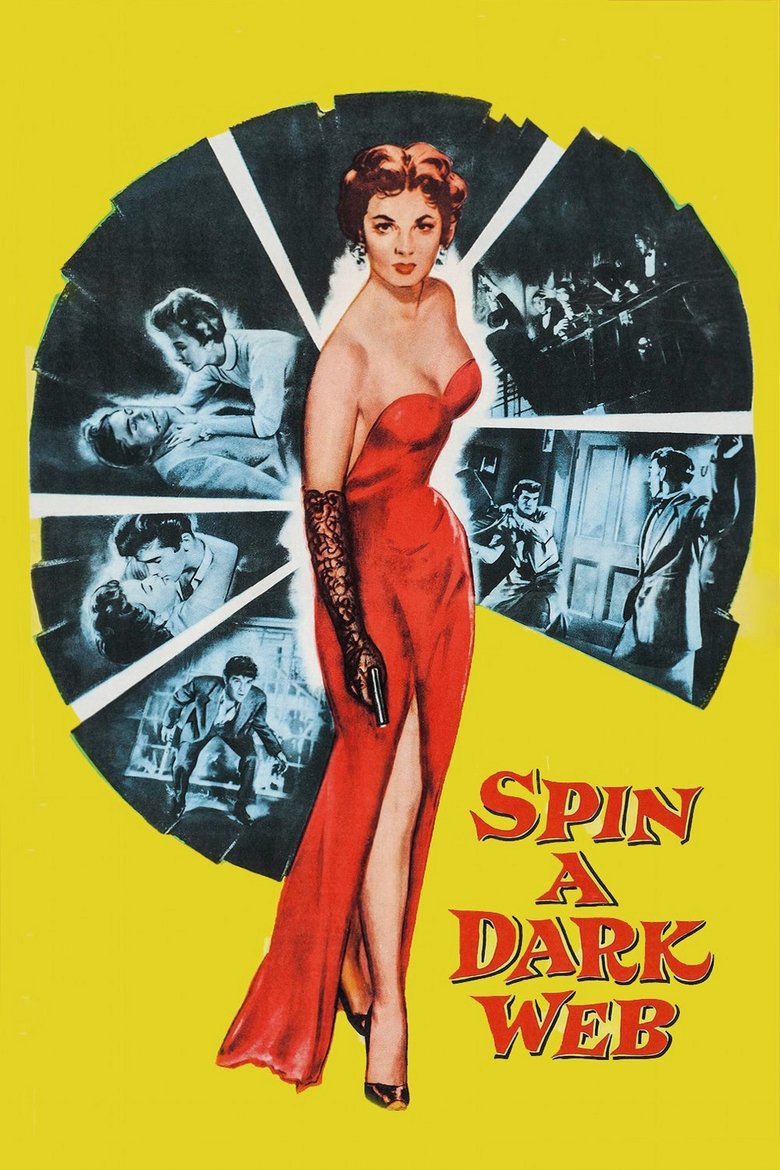
Spin a Dark Web 1956
1956 Frankovich Productions
★★★☆☆ Notable
Film Noir · 76 minutes · Black & White

Spin a Dark Web

Directed by Vernon Sewell
Year 1956
Runtime 76 min
Studio Frankovich Productions
TMDB 6.3 / 10
"A Canadian boxer trades the ring for a London crime family, and finds the exit sealed."

Jim Bankley, a Canadian boxer recently arrived in London, falls in with Rico Francesi, a mid-level figure in a local criminal syndicate. Rico's sister Bella takes an immediate interest in Jim, and through her he is drawn into the orbit of the gang's operations. Jim is not naive, but he is broke and ambitious, and Rico's offer of steady money for minimal questions asked is difficult to refuse.

As Jim becomes more entangled with Rico's crew, his relationship with Bella intensifies while he also develops feelings for Betty Walker, a decent woman from outside the criminal world. The two women represent a choice Jim is increasingly unwilling to make directly, and the gang reads his hesitation as a liability. Rico is not a man who tolerates divided loyalties, and Bella's possessive interest in Jim complicates every transaction between the two men.

Spin a Dark Web belongs to the postwar British crime cycle that borrowed its grammar from American noir while mapping it onto London's grey streets and demobilised anxieties. The film is built around the classic figure of the weak man caught between two women and a syndicate that will not let him walk away – a structure that allows it to examine masculine self-deception and the illusion of easy money with more patience than its modest runtime might suggest.
Classic Noir

Spin a Dark Web arrived in the mid-1950s when British studios were producing a steady stream of crime pictures that absorbed American noir conventions without fully naturalising them. Director Vernon Sewell, a reliable craftsman with little interest in auteurist signature, keeps the film moving at a functional pace and allows the cast to carry the moral weight. Faith Domergue, on loan from Hollywood, brings a coiled authority to Bella that the screenplay only partially earns; her performance consistently suggests more calculation than the dialogue admits. Lee Patterson's Jim is deliberately ordinary, which is the point – the film is less interested in the exceptional criminal than in the ordinary man who finds criminal convenience irresistible. Martin Benson's Rico anchors the syndicate scenes with a credible menace. What the film achieves, within its limitations, is a clear-eyed portrait of postwar London's underclass economy and the particular trap it set for men who arrived in the city without capital or connection. It is not a distinguished entry in the genre, but it is an honest one.

– Classic Noir
3 ★★★☆☆ Notable
Credits

The Crew

DirectorVernon Sewell
ScreenplayIan Stuart Black
Performances

The Cast

Close Reading

The Signature Scene

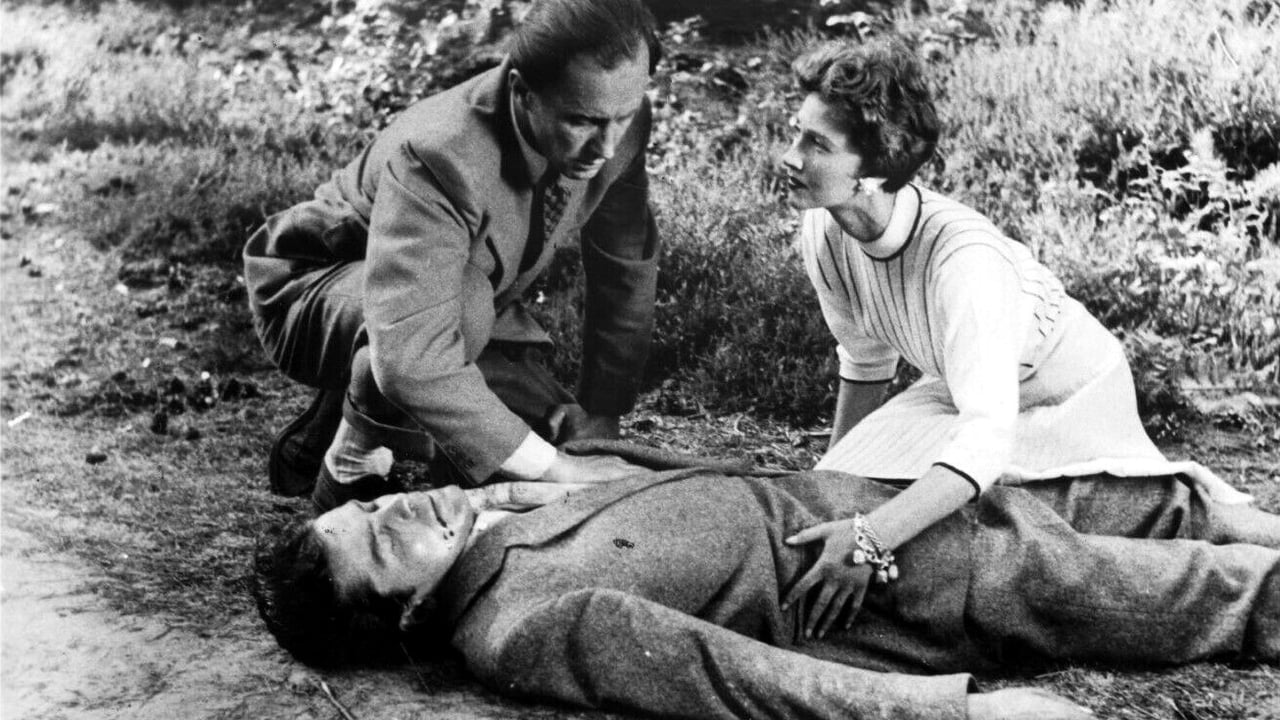
Spin a Dark Web – scene
The Nightclub Confrontation Bella Closes the Door

The camera holds on Domergue in medium close-up, her face half-lit by a practical lamp at frame left while the rest of the room falls into a flat shadow that the set dressing – a curtain, a chair, the rectangular geometry of a closed door – turns into a series of containment lines. She does not move toward Jim so much as the frame contracts around him, the blocking arranged so that his exit routes are systematically absorbed by the composition.

The scene functions as the film's thesis statement on entrapment. Jim believes he is negotiating; Bella knows the negotiation ended before it began. The light that falls on her is not glamorous – it is simply clearer than the light on him, which is the film's consistent visual argument about who understands the situation and who merely inhabits it.

Visual Language

The Cinematography

🎞️
Director of Photography – Director of Photography

The cinematographer for Spin a Dark Web is not currently confirmed in available production records, a gap that makes precise attribution difficult. What can be observed is a working style consistent with the Frankovich Productions house approach of the period: interior scenes lit with high-contrast practical setups that favour overhead and lateral sources, keeping faces divided between legibility and shadow without the expressionist extremity of American studio noir. Location footage of London streets is used sparingly but purposefully, grounding the syndicate milieu in a postwar urban fabric that studio sets could not replicate. The compositions are functional rather than exploratory – two-shots that tilt authority toward whichever character controls the frame, and close-ups deployed at moments of coercion rather than emotion. It is a cinematographic strategy that serves the film's argument about power and visibility: clarity belongs to those who hold leverage, and shadow is the natural condition of anyone still deciding whose side they are on.

In the Catalogue

Themes & Motifs

Availability

Where to Watch

Also in the Directory

See Also