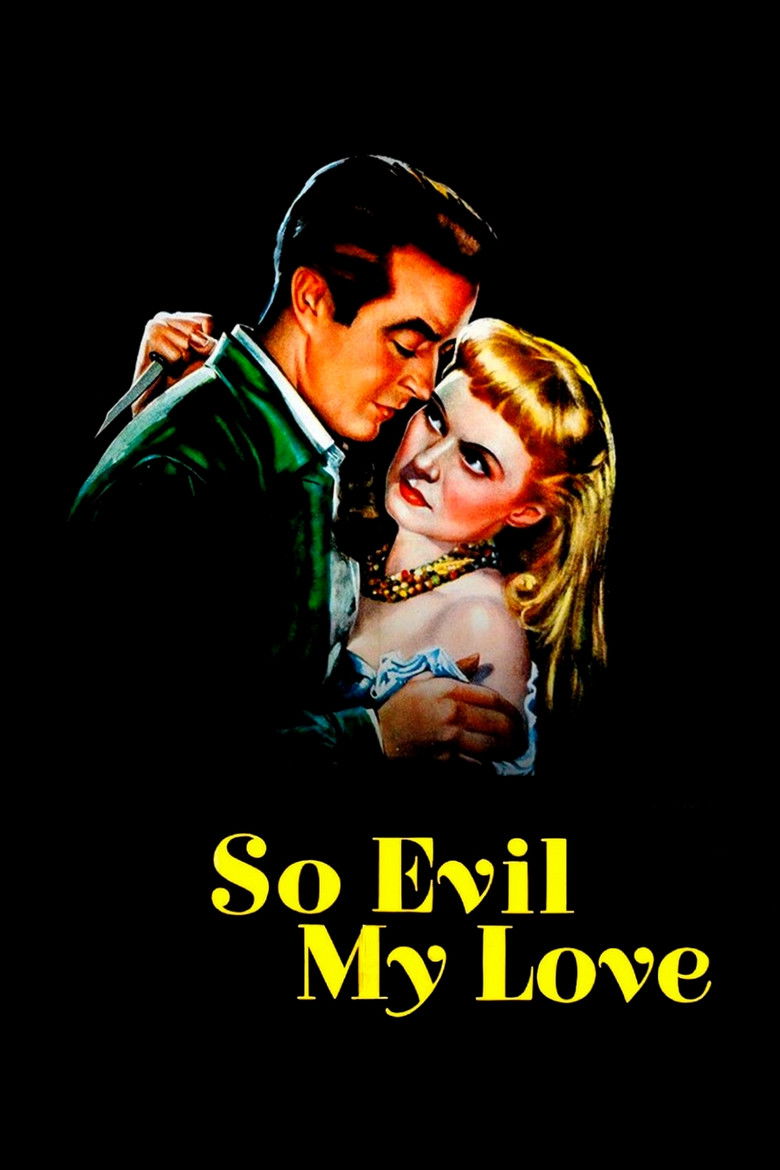
Returning to England aboard a merchant vessel, Olivia Harwood – a composed, financially straitened widow of a clergyman – meets Mark Bellis, a charming and rootless painter with an unspecified past. When Bellis falls gravely ill on the crossing, Olivia nurses him, and by the time the ship reaches port she has allowed herself a quiet, cautious attachment. He moves into the modest London boarding house where she takes a room, and the arrangement settles into something that resembles domestic tenderness, though the balance of need between them is never equal.
Bellis, whose charm conceals a predatory patience, gradually draws Olivia into his world – one governed by debt, petty crime, and calculated exploitation. He engineers her reentry into the life of Susan Courtney, a wealthy childhood acquaintance whose respectable marriage to the cold and controlling Henry Courtney is already under strain. What begins as Bellis using Olivia as a social conduit curdles into blackmail, and then into something more irreversible. Olivia, who understands at some level what she is being made to do, continues – not from ignorance but from a surrender of will she cannot fully account for, even to herself.
So Evil My Love belongs to a particular strain of British-American co-production noir in which the femme fatale is not the architect of her own destruction but its instrument, shaped by a man whose danger is expressed through patience rather than violence. Set in the Edwardian period with all the formal constraint that implies, the film uses corsets and calling cards as a kind of moral camouflage: the suffocating respectability of the surface world only makes the corruption beneath it more precise and more damning.
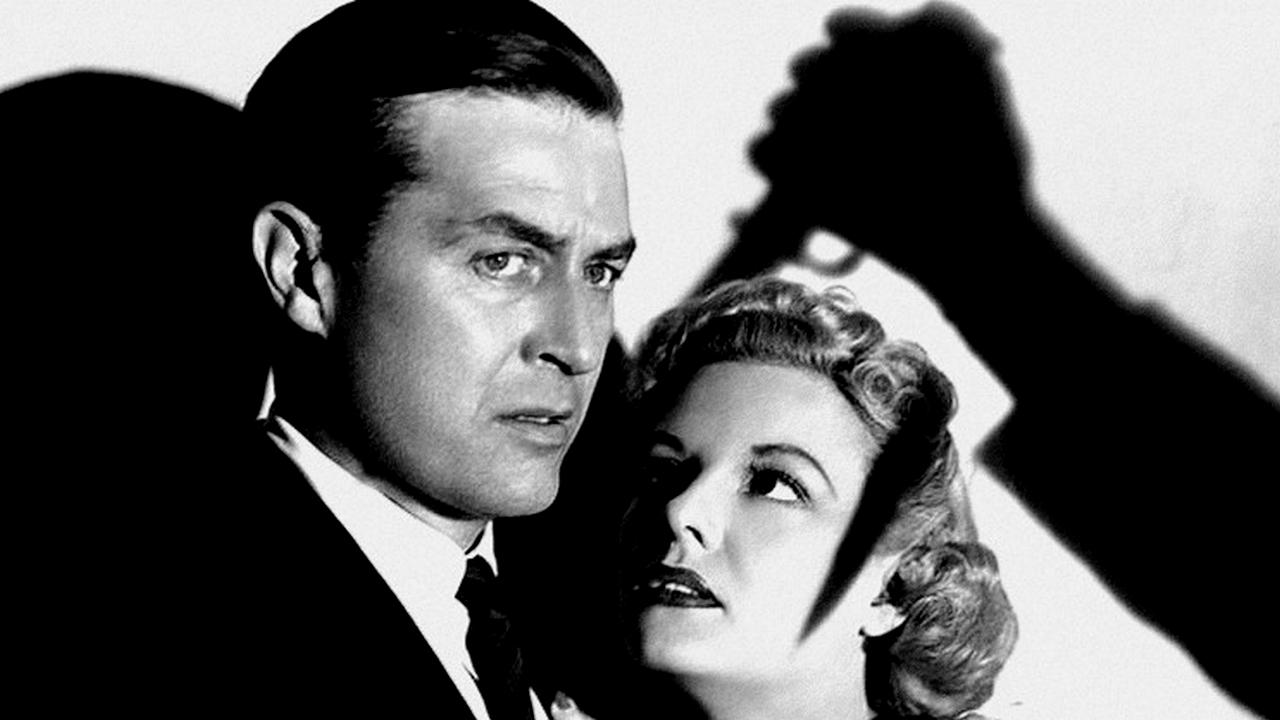
Produced by Hal Wallis and directed by Lewis Allen – whose earlier Ghost Story-inflected work on The Uninvited demonstrated a feel for dread in domestic spaces – So Evil My Love is a film that operates at a register lower than melodrama but more controlled than standard noir. Ann Todd's performance is the film's central achievement: Olivia's complicity is rendered not as weakness but as a kind of moral erosion, gradual and almost imperceptible until it is complete. Ray Milland, fresh from his Oscar turn in The Lost Weekend, deploys the same surface affability here in the service of something colder, and the contrast between the two registers is precisely the point. The Edwardian London setting, rendered in careful studio reconstruction by cinematographer Mutz Greenbaum, produces an atmosphere of confinement that serves the story's argument: that the period's social codes did not protect women like Olivia but made them legible targets. The film is not widely anthologized, but it earns its place in the genre as a study of how corruption is transmitted through intimacy rather than coercion.
– Classic Noir
Olivia sits at a small writing desk in a room that Greenbaum lights from a single source positioned above and to the left, casting her face into a partial shadow that divides it almost symmetrically – one half composed, one half obscured. The camera holds at a medium distance, neither intimate enough to solicit sympathy nor removed enough to become clinical. As she writes the letter that will deliver Susan Courtney to blackmail and eventual catastrophe, the frame is still: there is no rack focus, no expressionist distortion, only the quiet geometry of a woman doing something she knows she should not do.
The stillness of the composition is the scene's moral argument. Olivia is not shown in extremity – no tears, no trembling hand – and that restraint refuses the audience the comfort of reading her as a victim swept along by forces beyond her. She is present, she is choosing, and the camera acknowledges it without judgment or exculpation. What the scene makes clear is that the film's real subject is not Bellis and his manipulations but the moment at which a person stops resisting the self they are becoming.
Mutz Greenbaum – working under his anglicized credit Max Greene – photographs So Evil My Love with a discipline that refuses the more expressionist conventions available to him. The film's Edwardian London is largely studio-constructed, and Greenbaum uses that artificiality productively: interiors are lit to suggest spaces that have been arranged for appearances, with light sources that are social as much as physical – candles, gas mantles, the pale wash from a net-curtained window. Shadow work is restrained, deployed in specific scenes to mark moral turning points rather than distributed as a general atmosphere. The lens choices favor a focal length that keeps figures in relation to their rooms, refusing the isolating close-up in moments where another film would lean on it. This approach reinforces the period's logic of visibility and concealment – everyone is watched, everyone performs, and the camera participates in that surveillance without ever quite becoming complicit in it. It is precise, considered work in service of a story whose horror is almost entirely interior.
Tubi has carried So Evil My Love in a watchable print and remains the most reliably accessible free option for this title in the United States.
Archive.orgFreeA public domain version is available on Archive.org; print quality varies and should be treated as a fallback rather than a primary viewing option.
Amazon Prime VideoRentalAvailable for digital rental via Amazon in a generally clean transfer; confirm current availability before seeking, as classic titles rotate in and out of the catalog.