Films People Pull a Fast One Night Beat Reading Room On TV Shop
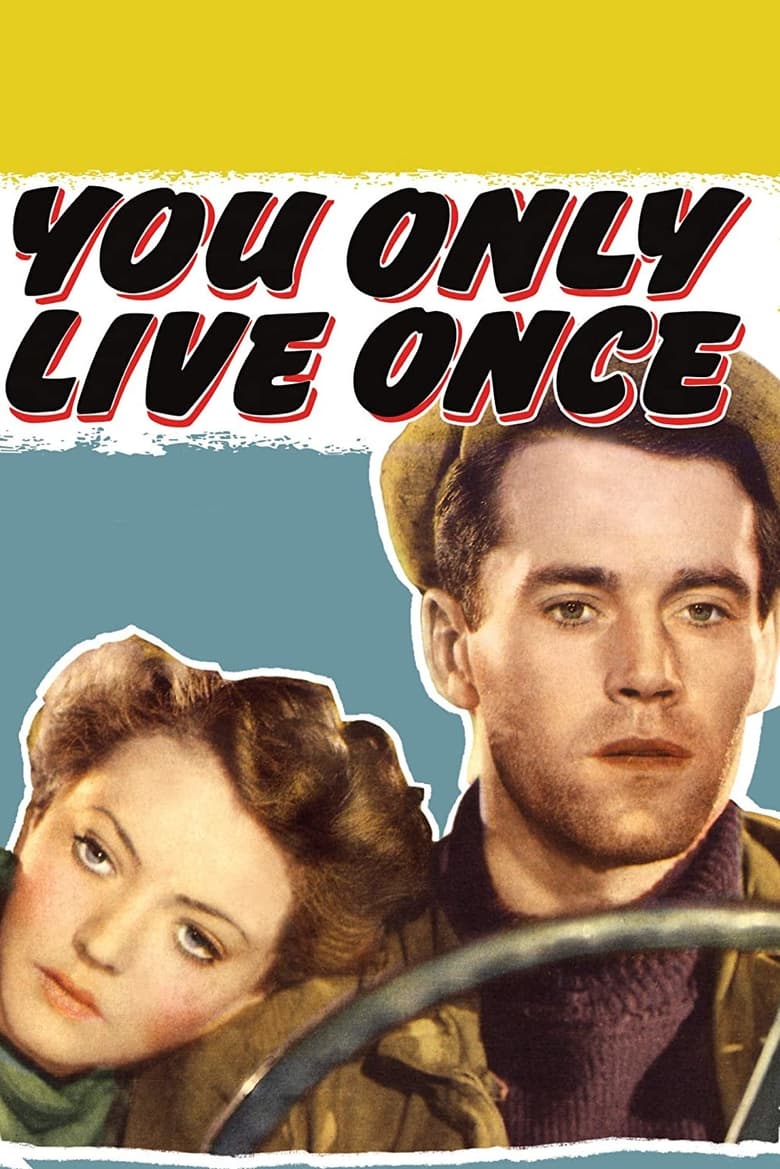
You Only Live Once 1937
1937 Walter Wanger Productions
★★★☆☆ Notable
Film Noir · 86 minutes · Black & White

You Only Live Once

Directed by Fritz Lang
Year 1937
Runtime 86 min
Studio Walter Wanger Productions
TMDB 7.1 / 10
"A man the law has used up tries once more to live straight – and the law will not allow it."

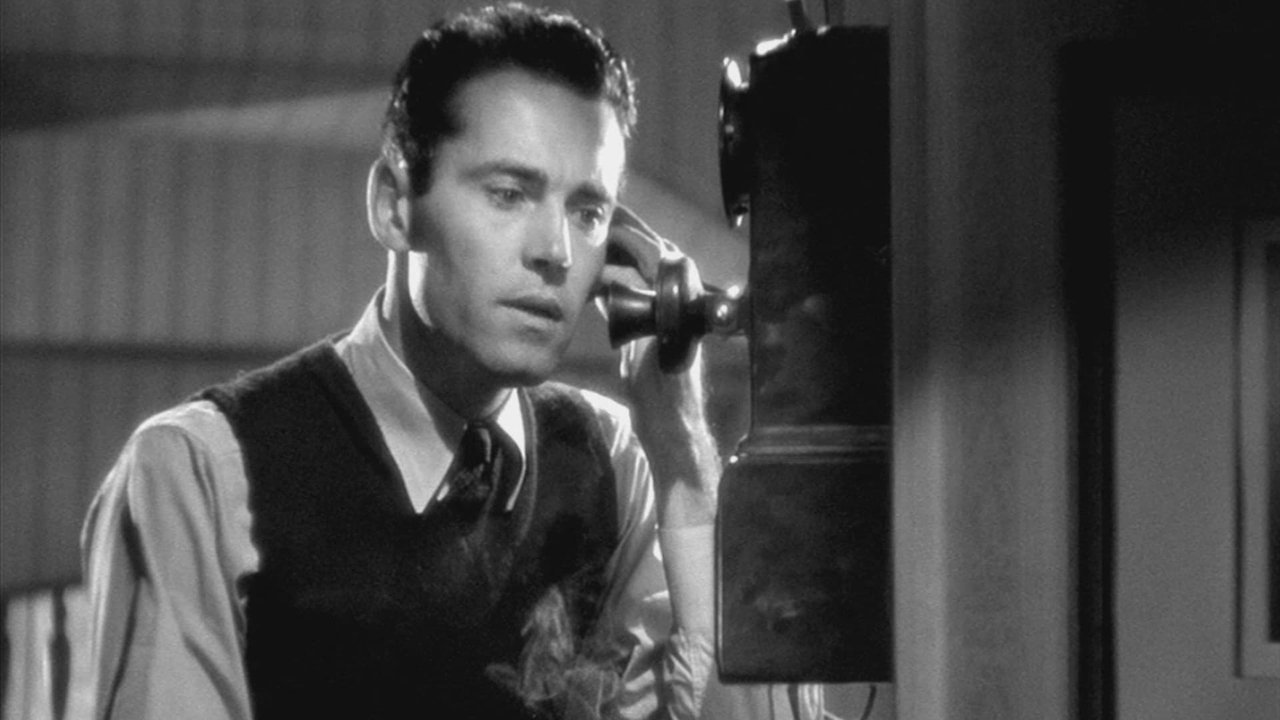
Eddie Taylor (Henry Fonda) is a three-time convict released from prison and determined to start over. He finds work, marries Joan Graham (Sylvia Sidney), a legal secretary who has stood by him through every sentence, and attempts the ordinary life that has always been denied him. The world he re-enters is not neutral: employers grow uneasy, neighbors keep their distance, and the machinery of suspicion follows him like a second shadow.

When a bank robbery goes wrong and a guard is killed, Eddie is charged with the crime despite his innocence. A frame tightens around him with the efficiency of a system that has already decided what he is. Joan fights the verdict from outside while Eddie, convinced that no appeal will hold, escapes from prison in a sequence that closes off any remaining path back to legal existence. From this point the couple are fugitives, moving through a landscape that offers no shelter.

Fritz Lang constructs the film as a fugitive-couple thriller rooted in social protest, a form that would recur across Depression-era and wartime Hollywood but rarely with this degree of structural fatalism. The film belongs to a current of American noir preoccupied less with crime as moral failure than with crime as the product of institutional indifference – a world in which innocence is administratively irrelevant.
Classic Noir

You Only Live Once arrives two years before the period most historians treat as noir's classical phase, yet it articulates the genre's central anxieties with unusual clarity. Lang, working in his second American production, imports the determinism of his German period into a specifically Depression-era context: the criminal record as a life sentence that formal release cannot commute. Fonda's performance resists the temptation toward martyrdom, keeping Eddie's resentment credible and his lapses comprehensible. Sidney, often confined to suffering roles, is given real agency here as the character whose choices drive the film's second half. What the film reveals about its era is the degree to which American optimism about rehabilitation was, in practice, withheld from the poor. The legal system appears not as corrupt in the manner of gangster films but as structurally indifferent – a distinction that gives the film its particular discomfort and its lasting relevance within the genre.

– Classic Noir
3 ★★★☆☆ Notable
Credits

The Crew

DirectorFritz Lang
ScreenplayGene Towne
CinematographyLeon Shamroy
MusicAlfred Newman
EditingDaniel Mandell
Art DirectionAlexander Toluboff
CostumesHelen Taylor
Performances

The Cast

Close Reading

The Signature Scene

You Only Live Once – scene
The Roadblock in the Fog Headlights Through the Mist

Lang and cinematographer Leon Shamroy stage the final roadblock sequence in near-total fog, reducing the visual field to overlapping cones of headlight and the silhouettes of figures that resolve only at fatal proximity. The camera holds at a middle distance that refuses to privilege any single perspective, placing the viewer in the same informational position as the pursuing officers – able to see movement, unable to confirm intent. Shadow and diffused light are distributed across the frame with a flatness that removes the usual noir geometry of light as moral index.

The scene makes the argument the film has been building throughout: that at this point the distinction between guilt and innocence is operationally meaningless. Eddie and Joan have become, in the eyes of the state, exactly what the state always believed them to be. The fog is not atmospheric decoration but a visual correlative for the condition of the fugitive – existing in a world where visibility itself has become a form of danger.

Visual Language

The Cinematography

🎞️
Leon Shamroy – Director of Photography

Leon Shamroy's work on You Only Live Once operates in the space between the social-realist location aesthetic of Depression-era crime films and the controlled studio expressionism Lang brought from Germany. Shamroy shoots the prison interiors with a shallow depth that compresses space and emphasizes confinement, while exterior sequences deploy a gray, undifferentiated light that denies the landscape any welcoming quality. The fog sequences late in the film represent the most sustained use of atmosphere as argument: Shamroy allows light sources to scatter rather than define, producing a visual environment in which edges dissolve and contours become unreliable. There is relatively little of the hard-shadow chiaroscuro that would become the genre's signature grammar; instead, the film works through gradual tonal degradation, the world growing dimmer and less legible as the couple's options narrow. This restraint makes the cinematography serve the story's moral logic directly – a world not dramatically dark but simply without illumination.

In the Catalogue

Themes & Motifs

Availability

Where to Watch

Also in the Directory

See Also