Films People Pull a Fast One Night Beat Reading Room On TV Shop
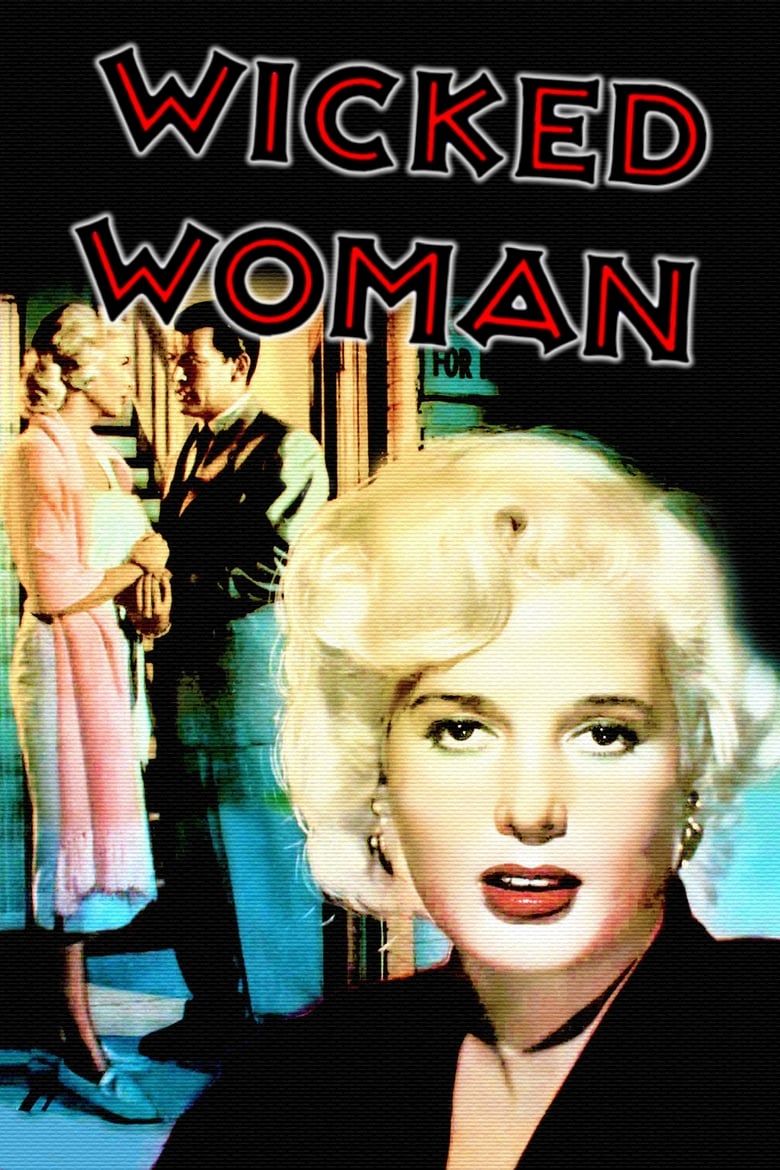
Wicked Woman 1953
1953 Edward Small Productions
★★★☆☆ Notable
Film Noir · 77 minutes · Black & White

Wicked Woman

Directed by Russell Rouse
Year 1953
Runtime 77 min
Studio Edward Small Productions
TMDB 5.2 / 10
"A woman with nothing to lose walks into a bar and starts counting what belongs to someone else."

Billie Nash arrives in a California town with little money, fewer prospects, and a talent for reading men. She takes a job as a barmaid at a roadside tavern run by Matt Bannister, a physically imposing man trapped in a joyless marriage to Dora, a mousy, dependent woman he no longer loves. Charlie Borg, the tavern's slovenly regular, watches Billie with the eyes of a man who recognizes trouble and welcomes it anyway. Within days, Billie has sized up the situation and decided that Matt's life – his bar, his future – should be hers.

Billie moves on Matt with patience and calculation, working the space between his dissatisfaction and his conscience. Dora is not blind to what is happening, but her need for Matt disarms her. Larry Lowry, a man from Billie's past, surfaces to complicate her plans, carrying knowledge she cannot afford to have circulated. The film constructs its tension not around violence but around the quiet pressure of people maneuvering inside a confined social world, where money, desire, and self-deception occupy the same small room.

Wicked Woman belongs to the low-budget independent noir cycle of the early 1950s, a strain of the genre that traded metropolitan gloss for roadside seediness and psychological plausibility. The film's interest lies less in plot mechanics than in the portrait of a woman whose ruthlessness is presented as adaptive rather than simply monstrous – a distinction the period's more cautious studio productions rarely permitted.
Classic Noir

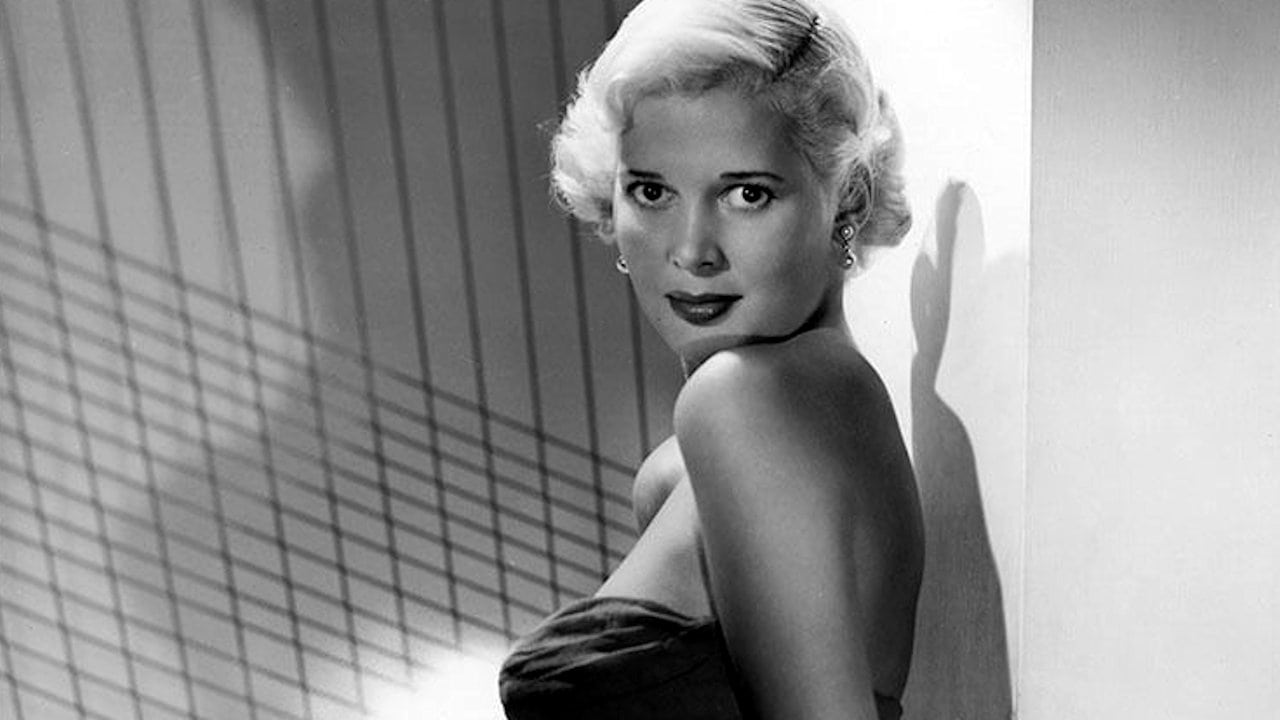
Wicked Woman is a modest but clear-eyed entry in the independent noir cycle that flourished outside the major studios in the early 1950s, produced by Edward Small on a budget that forced economy in every department and occasionally turned constraint into style. Russell Rouse, working with co-writer Clarence Greene, keeps the geography tight – a bar, a rented room, a few streets – and lets the social arithmetic do the narrative work. Beverly Michaels gives Billie Nash a quality that the script alone could not have secured: a controlled watchfulness that reads as intelligence rather than villainy, making her less a femme fatale in the classical mold than a woman who has learned to treat men as resources because nothing else has been offered. Richard Egan's Matt is not weak in the conventional sense; he is simply tired, and the film understands that exhaustion as a moral condition. What the picture reveals about its moment is a tension between postwar economic aspiration and the suspicion that desire, once fully acknowledged, corrodes everything it touches. Within its limits, the film earns that tension honestly.

– Classic Noir
3 ★★★☆☆ Notable
Credits

The Crew

DirectorRussell Rouse
ScreenplayRussell Rouse
CinematographyEddie Fitzgerald
MusicBuddy Baker
EditingChester W. Schaeffer
ProducerClarence Greene
Performances

The Cast

Close Reading

The Signature Scene

Wicked Woman – scene
The Bar After Closing Light Left On for No One

The scene takes place in the emptied tavern late at night, chairs still on the floor, the back bar mirror doubling whatever light remains. Eddie Fitzgerald lights the space from a single practical source behind the bar, leaving the room's edges in a soft, undemonstrative darkness. The camera holds a medium two-shot as Billie and Matt talk, neither moving toward the other yet, the counter between them functioning as both barrier and negotiating table. Fitzgerald resists the impulse toward expressionist shadow-play; the light is simply poor, the way light is poor in working rooms after hours, and the ordinariness makes the tension more convincing.

What the scene establishes is not seduction in any theatrical sense but a transfer of attention – Matt beginning to look at Billie the way he has stopped looking at his wife, Billie receiving that look with the composed awareness of someone who has been waiting for it. The bar between them will not hold. The film's argument is visible in the geometry: two people made proximate by labor, separated by a fixture that is also a livelihood, deciding whether the livelihood is worth preserving.

Visual Language

The Cinematography

🎞️
Eddie Fitzgerald – Director of Photography

Eddie Fitzgerald's work on Wicked Woman reflects the disciplined pragmatism of low-budget independent production without surrendering pictorial coherence. Shooting on studio sets dressed to suggest California roadside interiors, Fitzgerald favors naturalistic practical sources – bar fixtures, desk lamps, window light in the cheap rental rooms – that keep the moral atmosphere consistent without reaching for the deep-focus chiaroscuro of larger productions. His lens choices tend toward the middle range, holding character faces in frames that also preserve enough of the environment to ground every exchange in its social reality. Shadow work is present but functional: it describes the edges of rooms and the recesses behind the bar rather than the psychological distortions favored by more expressionist DP work of the period. What this restrained approach achieves is a world that feels genuinely inhabited, where the squalor is not stylized into beauty and the characters cannot be aestheticized out of their circumstances. The cinematography serves the film's central moral logic – that ordinary spaces and ordinary dissatisfactions, not exotic wickedness, are where lives come undone.

In the Catalogue

Themes & Motifs

Availability

Where to Watch

Also in the Directory

See Also