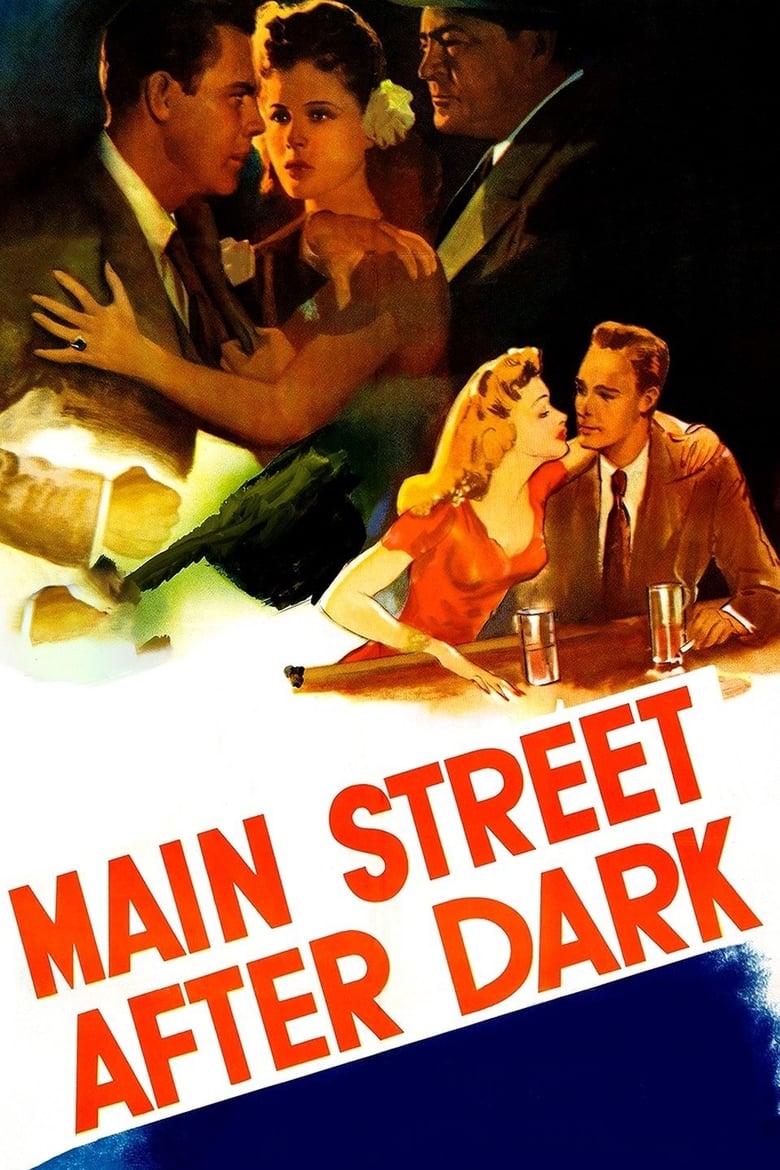
In a mid-sized American city, Lt. Lorrgan is a veteran police detective assigned to shut down a confidence racket that has been preying on servicemen returning from the war. The operation is run by the Dibson family – matriarch 'Ma' Abby, her sons Lefty and Posey, and daughters Jessie Belle and Rosalie – a tight-knit criminal unit that has survived by treating law enforcement as merely another variable to manage. Lorrgan knows the family well enough to respect their discipline, and the film opens with that mutual familiarity already in place.
The investigation tightens when Keller, a cautious intermediary with his own interests to protect, becomes a point of pressure between Lorrgan and the Dibsons. Jessie Belle, the most volatile member of the family, begins to strain against Ma Abby's iron authority, creating fissures in the operation's cohesion. Posey, charming and unreliable in equal measure, draws police attention toward the younger generation while Ma attempts to hold the enterprise together through sheer force of will. Allegiances within the family shift as the net closes.
Main Street After Dark belongs to the cycle of MGM programmers that treated postwar urban crime as a domestic phenomenon – less the work of shadowy syndicates than of ordinary American families who chose a crooked path. At 57 minutes, the film moves with a compression that suits its argument: crime here is efficient, methodical, and unglamorous, and so is the police work that undoes it.
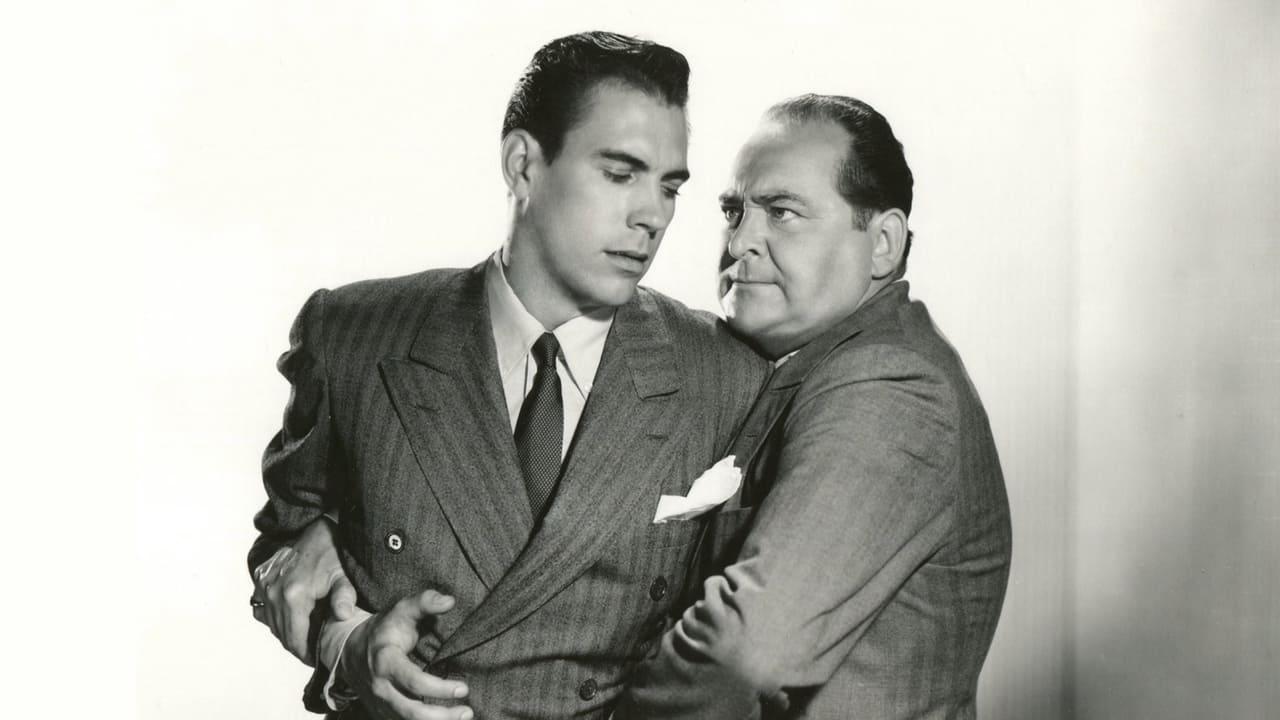
Main Street After Dark arrives in 1945 as a minor but telling entry in MGM's wartime and immediately postwar crime output – a studio more comfortable with prestige than with gutter-level noir, yet capable of producing lean, functional crime pictures when the material demanded it. Edward L. Cahn directs without flourish, which is precisely the correct approach. The film's central innovation is its domestication of crime: the Dibson family is not a syndicate with hierarchies and lieutenants but a household with chores, and the tension between Ma Abby's authority and her children's individual desires mirrors the tensions any family might recognize. Selena Royle's performance as Ma Abby carries moral weight that the runtime rarely pauses to underline. Dan Duryea, already developing the insinuating screen presence that would define his career, and Audrey Totter, in an early role before her sharper noir turns, contribute to a portrait of criminal domesticity that feels ethnographically specific to its American moment. The film does not transcend its B-picture origins, nor does it need to.
– Classic Noir
The camera holds at a medium distance as Ma Abby presides over the family at a kitchen table, the frame organized around her central position with the younger Dibsons arranged on either side in a composition that recalls a domestic portrait more than a criminal council. Jackson Rose lights the scene from a source above and slightly behind Royle, casting the children's faces into a softer, more uncertain light while Ma's expression remains legible and controlled. The room is cluttered but not chaotic – a working household that happens to be crooked.
The scene concentrates the film's central argument: criminal enterprise as an extension of family governance, with maternal authority standing in for institutional hierarchy. Ma does not threaten; she instructs. What the frame makes visible is that the Dibson children are not outlaws by temperament so much as by formation, which complicates any easy moral accounting the film might otherwise offer.
Cinematographer Jackson Rose shoots Main Street After Dark with the efficient practicality of a DP who understood that B-picture budgets reward economy of means over atmospheric elaboration. Working on MGM soundstages, Rose constructs an urban America out of tight interior spaces and corridors that compress his characters into frames where escape feels structurally improbable. His lighting in the domestic scenes favors a flattened, overhead key that desaturates the glamour from the criminal enterprise and aligns the Dibson household visually with the working-class interiors of the period's social-realist photography. Where shadows appear, they tend to fall on thresholds – doorways, window frames – suggesting that the moral boundary between inside and outside is the film's true subject. Rose does not reach for the expressionist toolkit that harder noir productions of the period deployed freely; his restraint is deliberate, reinforcing the film's argument that crime of this kind is banal in its textures, whatever its consequences.
TCM holds a substantial MGM library and periodically broadcasts this title; the Turner-sourced print is generally the most complete version in circulation.
Archive.orgFreeA public domain print is available on Archive.org and represents the most immediately accessible option, though print quality varies by upload.
TubiFreeTubi has carried MGM programmers from this era intermittently; availability should be confirmed at time of viewing.