Films People Pull a Fast One Night Beat Reading Room On TV Shop
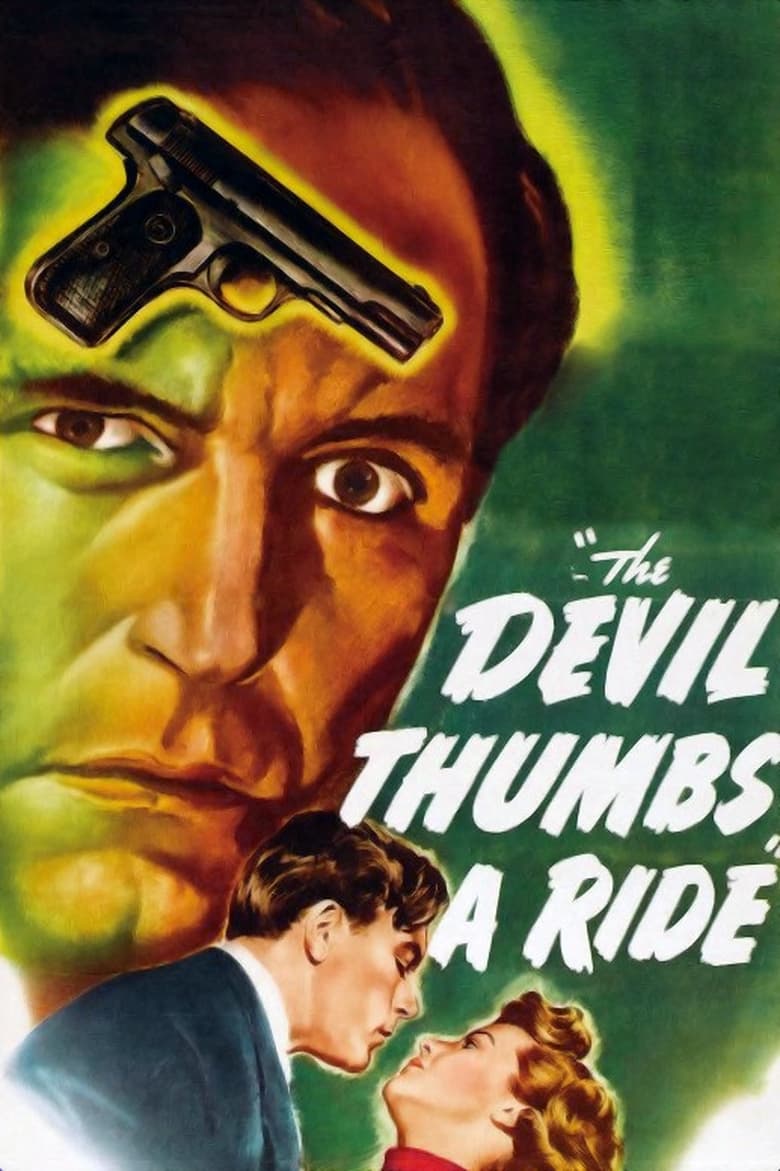
Devil Thumbs a Ride 1947
1947 RKO Radio Pictures
★★★☆☆ Notable
Film Noir · 62 minutes · Black & White

Devil Thumbs a Ride

Directed by Felix E. Feist
Year 1947
Runtime 62 min
Studio RKO Radio Pictures
TMDB 6.6 / 10
"A killer hitches a ride, and the night does the rest."

In the small hours after a San Diego bank robbery that leaves one man dead, Steve Morgan – brutal, self-possessed, and entirely without remorse – talks his way into a late-night lift heading north toward Los Angeles. His driver is Jimmy Ferguson, a mild insurance man slightly drunk on a convention's worth of goodwill, who sees no harm in giving a stranger a ride. Two women, Beulah Zorn and Agnes Smith, join them at a roadside stop, and what had been a minor lapse of judgment for Jimmy becomes something far more dangerous.

Morgan commandeers the journey by force of personality and barely concealed menace, steering the group to a vacant beach house where his control over the others tightens with each passing hour. Jimmy, caught between his own compromised position – he has been drinking and is far from home – and his dawning recognition of who Morgan actually is, finds his options narrowing. The women are deployed against each other and against the men through Morgan's casual, predatory cunning, and the film's confined spaces begin to function less as shelter than as trap.

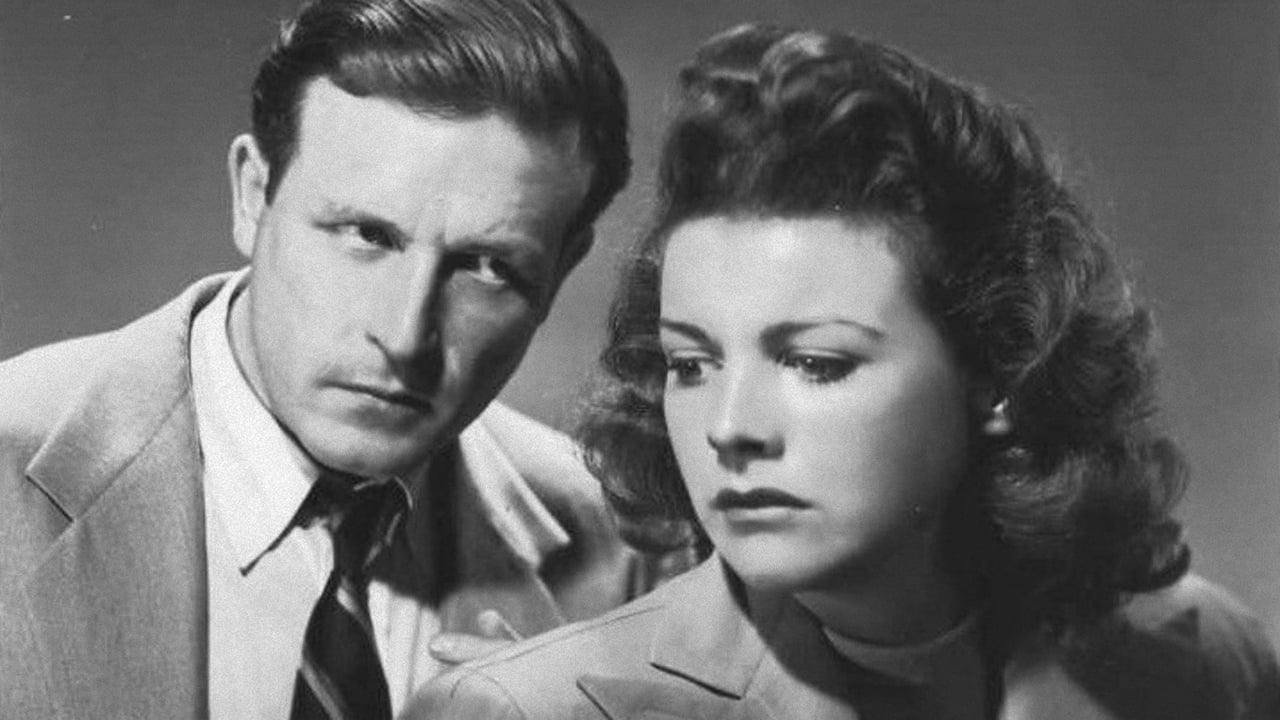
Devil Thumbs a Ride belongs to a distinct strand of postwar noir built not on elaborate plotting but on sustained dread generated by a single dangerous man in close quarters. Lawrence Tierney's performance is the film's engine, and Felix E. Feist constructs the narrative around that presence, allowing tension to accumulate through atmosphere and physical confinement rather than incident. At sixty-two minutes, the film moves with an economy that itself becomes a kind of pressure.
Classic Noir

Devil Thumbs a Ride is a lean, undecorated item from RKO's B-unit that earns its reputation almost entirely through Lawrence Tierney's performance as Steve Morgan – a man whose menace derives not from theatrical villainy but from a flat, almost bored indifference to consequence. Felix E. Feist, working with minimal resources and a runtime that permits no detours, understands that the film's argument is essentially sociological: ordinary postwar life, with its conventions of hospitality and male bonhomie, is precisely what makes ordinary people vulnerable to a man like Morgan. Jimmy Ferguson's fatal error is not stupidity but normalcy. The film sits alongside Detour and Desperate Hours as an exploration of how predatory violence penetrates the surface of domestic routine, and while it lacks the formal ambition of either, it compensates with a directness that is its own kind of discipline. As a document of a particular postwar unease about strangers, highways, and the fragility of civilian order, it remains instructive.

– Classic Noir
3 ★★★☆☆ Notable
Credits

The Crew

DirectorFelix E. Feist
ScreenplayFelix E. Feist
CinematographyJ. Roy Hunt
MusicPaul Sawtell
EditingRobert Swink
Art DirectionAlbert S. D'Agostino
ProducerHerman Schlom
Performances

The Cast

Close Reading

The Signature Scene

Devil Thumbs a Ride – scene
The Beach House, Late Night Morgan Controls the Room

J. Roy Hunt lights the beach house interior with a source logic that keeps Morgan consistently better illuminated than those around him – not to flatter him, but to make him inescapable. The camera holds in medium shot as the others shift and settle, their positions in the frame involuntarily oriented toward him. Shadows pool at the room's edges, and the low-key setup ensures that exits and windows are swallowed in darkness, reinforcing the enclosure. When Morgan moves, the frame adjusts; when others move, it does not.

The scene encapsulates the film's central argument about power without official sanction. Morgan holds the room not through drawn weapons but through a quality of attention – watchful, flat, complete – that the others cannot match. The film suggests that this kind of dominance is not exceptional but latent, requiring only the right circumstances to surface. Jimmy's ineffectuality is not personal failure but a measure of how thoroughly postwar civility has traded away the instincts that might recognize and resist such a man.

Visual Language

The Cinematography

🎞️
J. Roy Hunt – Director of Photography

J. Roy Hunt, whose career at RKO stretched across the studio's genre output of the 1940s, brings to Devil Thumbs a Ride a lighting discipline suited to confined, low-budget production. Working largely on studio sets dressed to suggest roadside California interiors, Hunt relies on hard-source practicals – lamps, headlights glimpsed through windows – to motivate shadows that do genuine narrative work, compressing space and eliminating visual escape routes for characters and viewer alike. His lens choices favor medium focal lengths that flatten depth within small rooms, making the walls feel closer than they are. The night-road sequences use minimal fill to preserve the sense of genuine darkness outside the vehicle, so that the car itself becomes a sealed world. Hunt does not pursue expressionist excess; his contribution is a controlled, functional darkness that serves Feist's interest in dread through constriction rather than spectacle, and it is precisely that restraint that keeps the film's atmosphere credible.

In the Catalogue

Themes & Motifs

Availability

Where to Watch

Also in the Directory

See Also