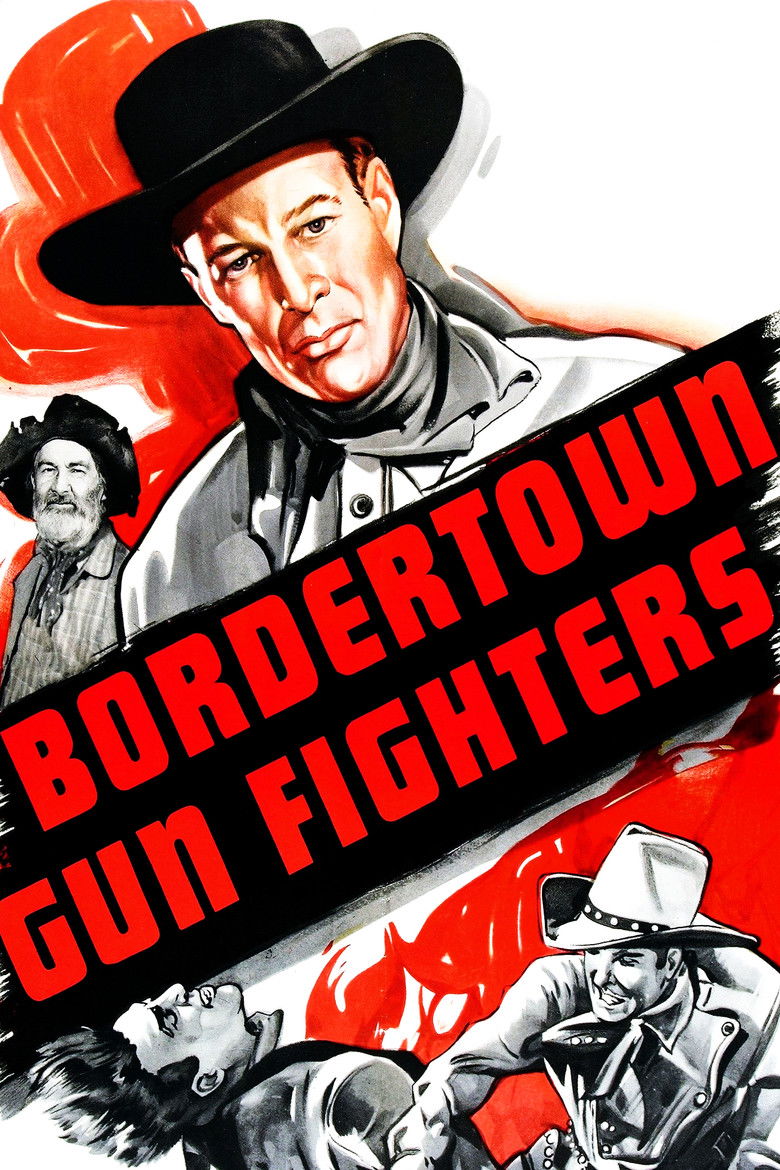
In the rugged terrain of the American West, federal agent Wild Bill Elliott rides into a town where a criminal syndicate has taken hold of the local territory. Working alongside his weathered partner Gabby Hayes, Elliott is tasked with exposing the operations of Jack Gatling, a calculating figure who controls the region through intimidation and violence. The town's legitimate citizens, among them Dan Forrester, are caught between cooperation and resistance, their choices shaped by fear as much as principle.
The investigation draws Elliott into a web of competing interests, where the line between informant and conspirator is difficult to locate. Cameo Shelby and Dave Strickland operate at the edges of Gatling's organization, their allegiances shifting as pressure mounts. Frank Holden and henchman Buck enforce the syndicate's will through blunt force, and Elliott finds that the mechanisms of corruption extend further into the community than initial appearances suggest. Each move toward exposure risks destabilizing the fragile trust of those Elliott depends on.
Bordertown functions as a hybrid of the western and the crime picture, with Republic Pictures compressing its moral argument into a tight 56-minute frame. The film belongs to that wartime cycle of B-pictures that mapped criminal organization onto familiar frontier landscapes, treating institutional corruption as both local problem and national anxiety. The resolution, when it comes, arrives through a combination of persistence and physical confrontation rather than procedural revelation.
Bordertown occupies a modest but legible position within the Republic Pictures crime cycle of the early 1940s, where western genre conventions were routinely pressed into service as vehicles for narratives about syndicate control and civic corruption. Howard Bretherton directs with the functional efficiency of a journeyman who understood his studio's requirements: economy of setup, clarity of action, and a running time that tolerates no digression. Bill Elliott's persona – contained, deliberate, physically authoritative – translates more readily into a proto-noir protagonist than the swaggering cowboy heroes of the previous decade. George Hayes provides the film's tonal counterweight, his comic register preventing the material from achieving the moral weight it occasionally reaches for. Roy Barcroft's Gatling is competently menacing within the constraints of B-picture villainy. What the film reveals about its era is less a developed noir sensibility than a transitional anxiety: the western's moral certainties being quietly renegotiated in the language of organized crime, reflecting wartime America's preoccupation with corruption operating beneath legitimate surfaces.
– Classic Noir
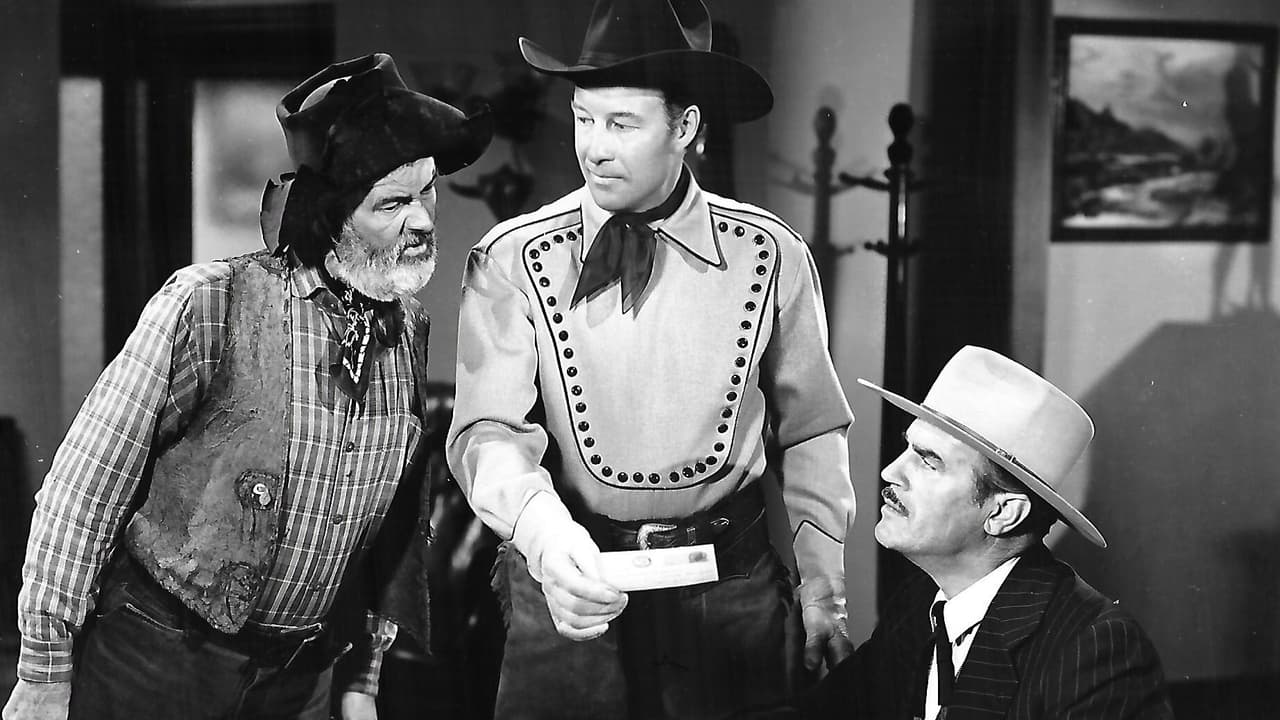
Jack A. Marta positions his camera at a slight low angle as Elliott enters Gatling's interior space, the available light arriving in interrupted horizontal bands through half-closed blinds. The composition places Gatling behind a desk that functions as both prop and barrier, the frame dividing the two figures with a wedge of shadow that bisects the foreground. Marta does not indulge extended dolly work; the visual argument is made through static geometry, the light falling unevenly across faces to signal the asymmetry of power in the room.
The scene's significance lies in what it withholds. Elliott's composure is not heroic confidence but tactical patience, and the restraint Marta's framing imposes on the moment makes that distinction legible. Gatling's control of the space is absolute in terms of furniture and shadow, yet the scene quietly establishes that physical environment and moral authority are not equivalent – a thesis the film will spend its remaining runtime testing.
Jack A. Marta, one of Republic's most reliable cinematographers during this period, brings a disciplined approach to Bordertown that exceeds what the film's B-picture budget might suggest. Working predominantly on studio-constructed interiors, Marta relies on high-contrast key lighting with minimal fill, allowing shadow to perform narrative work that the compressed script cannot accommodate in dialogue. His exterior work, where it appears, uses the landscape as a moral extension of the story's geography rather than merely scenic backdrop. Lens choices favor moderate focal lengths that keep both figure and environment in meaningful relationship, avoiding the shallow-focus glamour of A-picture production and maintaining instead a documentary legibility suited to the crime picture format. The lighting setups in interior confrontations – particularly where authority figures occupy dominant positions in the frame – reflect the film's preoccupation with power lodged in institutional space. Marta's contribution is a visual consistency that gives the film a coherent atmosphere somewhat beyond its means.
Bordertown is in the public domain and Archive.org hosts multiple transfers; verify print quality before committing to a full viewing.
TubiFreeTubi periodically carries Republic Pictures B-westerns and crime pictures from this era; availability may vary by region.
Amazon Prime VideoSubscriptionClassic Republic titles occasionally appear via Prime's ad-supported tier; check current listings as catalogue rotation applies.