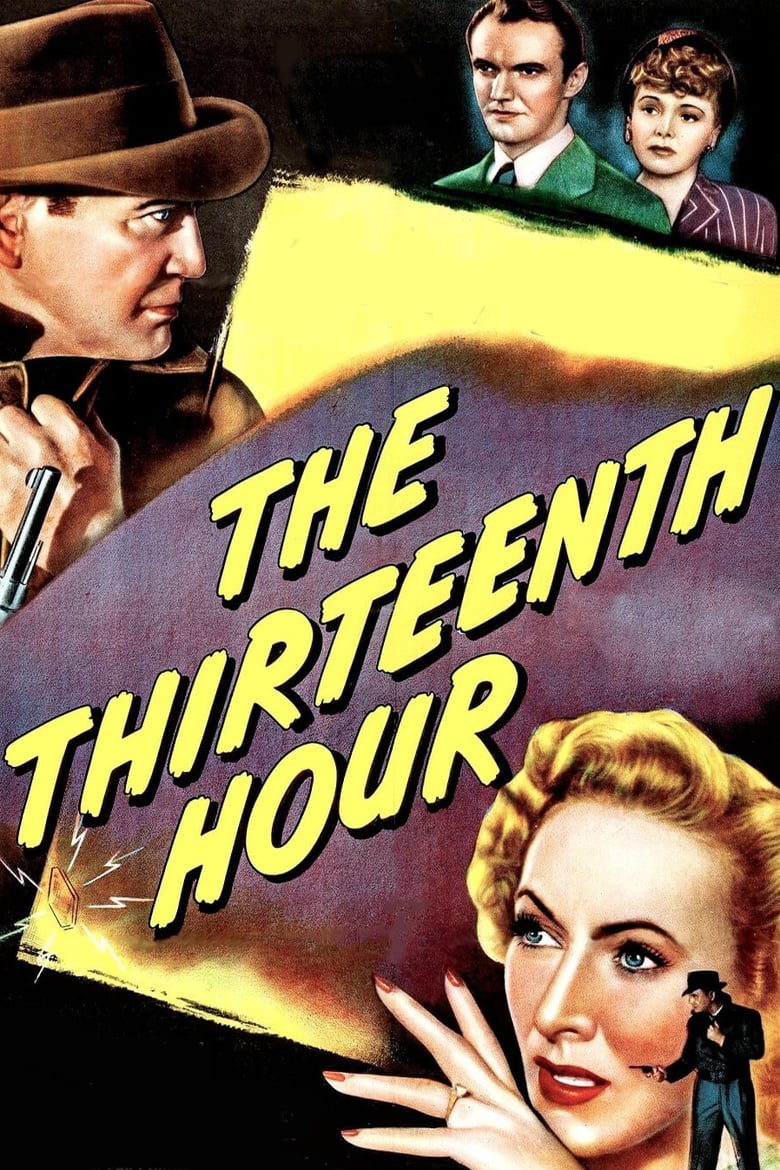
Steve Reynolds runs a small trucking operation out of a California highway town, a straight-arrow businessman who prides himself on keeping his nose clean. When one of his drivers turns up dead and the evidence begins to point toward Reynolds himself, he finds his reputation – and his freedom – dissolving faster than he can account for his own movements. Eileen Blair, who has a personal stake in clearing the air around the case, is the one person inclined to believe him, while the local law, led by the skeptical Don Parker, is less generous.
As Reynolds digs into the circumstances of the killing, he uncovers a network of small-time graft and organized pressure bearing down on independent truckers along the route – a protection racket run through intermediaries, with muscle supplied by the brutal Ranford. Charlie Cook and Jerry Mason occupy morally ambiguous positions between Reynolds and the men above them, and their shifting loyalties keep the investigation off balance. Tommy Blair's presence draws Eileen deeper into danger than either of them anticipated.
The film belongs to the cycle of mid-forties B noirs built around the ordinary working man suddenly made suspect – a figure whose competence and decency count for nothing once institutional suspicion locks onto him. At sixty-five minutes, it moves without waste, and the trucking milieu gives the procedural elements a blue-collar texture that distinguishes it from more urban entries in the wrong-man tradition.
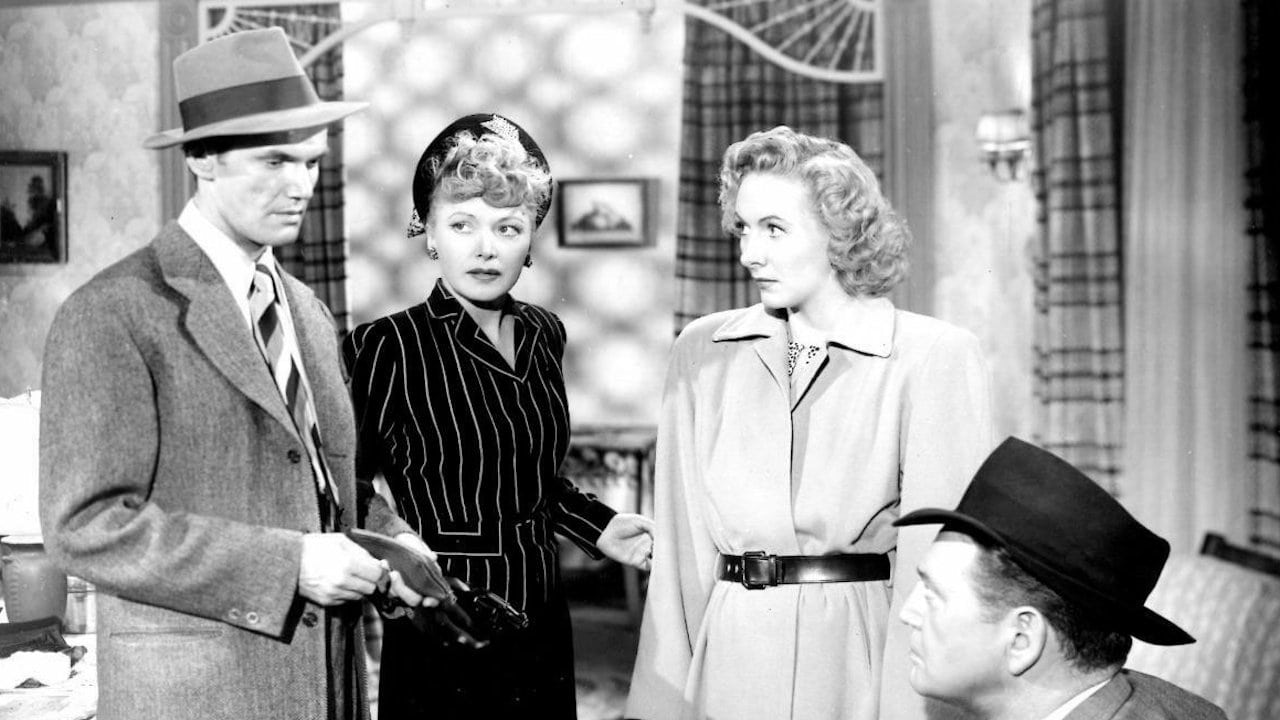
The 13th Hour occupies a recognizable position in the lower tier of Columbia-adjacent B production: efficient, unpretentious, and more alert to economic anxiety than its modest budget might suggest. Richard Dix, by 1947 well past his RKO peak, brings a weathered credibility to Reynolds that a younger, smoother lead could not supply – his visible wear reads as the accumulated cost of working-class respectability. William Clemens directs without flourish but with genuine economy, and the trucking-industry backdrop supplies a layer of postwar labor tension that the screenplay only half-develops. What the film reveals about its moment is the pervasive sense that legitimacy is contingent – that a man's honest record can be erased overnight by forces indifferent to the truth. Karen Morley, returning to screen work after years of political difficulty, carries her scenes with a restraint that sharpens rather than softens the film's underlying unease. The 13th Hour will not reshape a viewer's understanding of noir, but it executes its formal obligations with care and registers, almost despite itself, something true about the era.
– Classic Noir
A single overhead practical casts a hard cone of light onto the warehouse floor, leaving the surrounding space in near-total darkness. Clemens and Farrar keep the camera at mid-distance, refusing close-ups that would soften the geometry: Reynolds is a small figure inside a circle of illumination, the blackness around him functioning less as atmosphere than as architecture. When Ranford steps in from the edge of the frame, he arrives not from a door but from the dark itself, as though the shadow has produced him.
The composition externalizes the film's central argument: visibility is not safety. Reynolds has done everything correctly – he has come to confront, to reason, to assert his innocence – and the light that was supposed to clarify his position only isolates him. The scene proposes, without sentimentality, that transparency is a liability in a world organized around concealment.
Vincent J. Farrar works within the constraints of a low-budget studio shoot with a consistency that rewards attention. His lighting setups favor hard single-source arrangements – bare bulbs, angled practicals, the occasional shaft through a half-open door – that carve faces into planes of shadow and stop well short of the expressionist excess that lesser B cinematographers relied on for atmosphere. The result is a visual register that feels earned rather than borrowed: shadow here carries information about power and concealment rather than functioning as generic noir shorthand. Farrar appears to have shot primarily on studio-dressed interiors, but he uses forced perspective and shallow depth to suggest the compressed, claustrophobic spaces appropriate to the story's moral logic. Truck cabs and dispatch offices receive the same attentive low-key treatment as the more dramatically charged confrontation scenes, which keeps the film's world coherent from sequence to sequence and roots its anxiety in the ordinary textures of working life.
The film is in the public domain and available for free streaming and download in multiple transfers; quality varies by upload.
TubiFreeTubi periodically carries public-domain B noirs of this vintage; availability fluctuates, so confirm before seeking.
Amazon Prime VideoSubscriptionPublic-domain prints of this title have appeared through Prime Video add-ons and included catalogs; verify current availability.