Films People Pull a Fast One Night Beat Reading Room On TV Shop
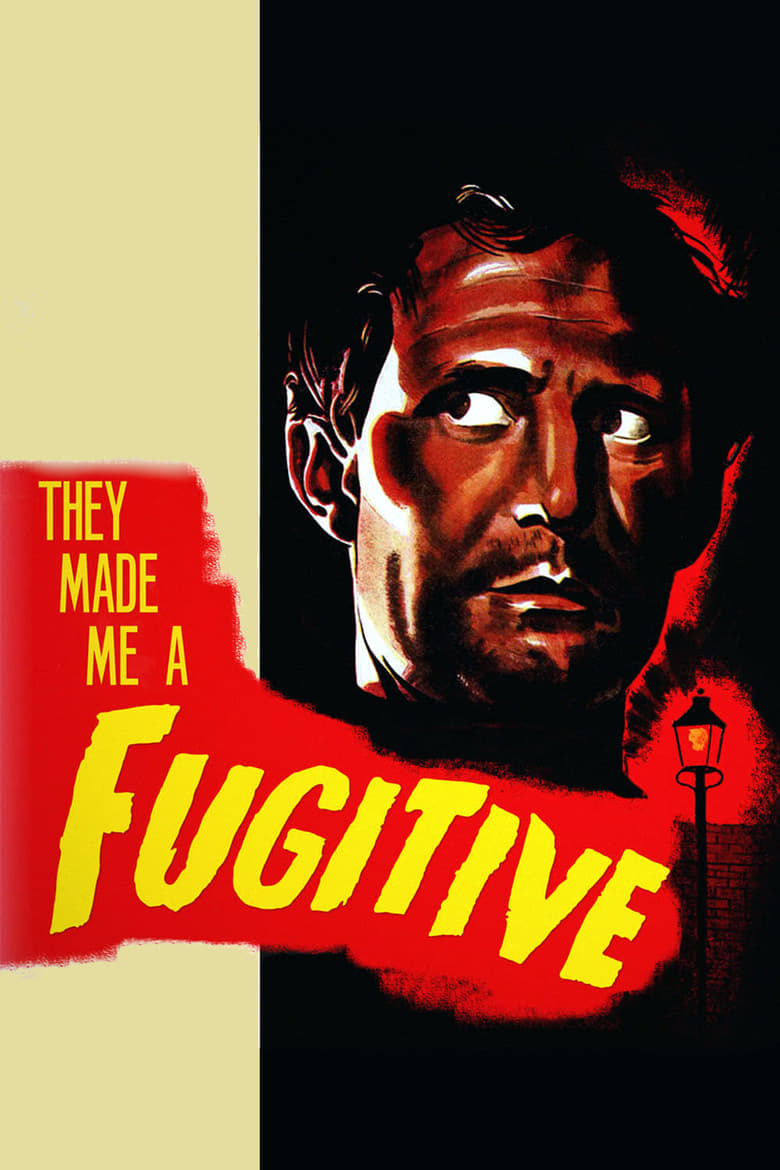
They Made Me a Fugitive 1947
1947 Alliance Films
★★★☆☆ Notable
Film Noir · 99 minutes · Black & White

They Made Me a Fugitive

Directed by Alberto Cavalcanti
Year 1947
Runtime 99 min
Studio Alliance Films
TMDB 6.6 / 10
"A war-damaged man trades one uniform for another, and finds the second far more dangerous."

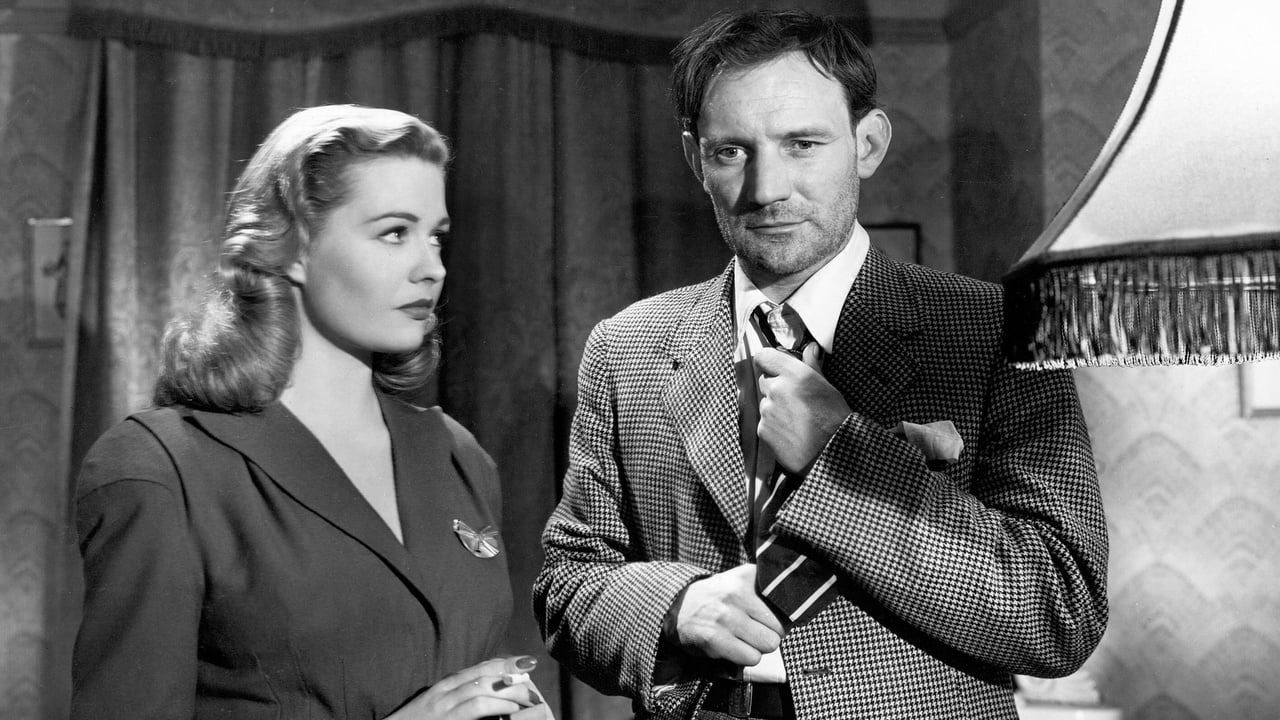
In postwar London, George Clement Morgan – known as Clem – is a former RAF officer who cannot reconcile himself to civilian life. Restless and short of money, he drifts into the orbit of Narcy, a black-market racketeer who runs his operation out of a funeral parlour. Narcy offers Clem a place in the gang, and Clem, lacking both caution and alternatives, accepts. Sally Connor, a woman with her own entanglement in Narcy's world, watches the newcomer with a wariness that reads as both warning and invitation.

When a police raid goes wrong and a constable is killed, Clem is framed for the murder by Narcy, who has reasons of his own for wanting him removed. Convicted and sent to prison, Clem escapes and sets out to expose Narcy – not through any official channel, since the law already counts him guilty, but through the kind of personal reckoning the postwar streets seem designed to produce. Cora, a woman destroyed by Narcy's casual cruelty, becomes an unlikely ally, while Sally moves between loyalties in ways that keep both men uncertain of her.

They Made Me a Fugitive belongs to the cycle of British noirs that absorbed American genre conventions while rerouting them through a distinctly local atmosphere of bombsite desolation and class resentment. It is less interested in redemption than in the question of how far a man can be pushed before the institution that made him – in this case, the military – becomes irrelevant to who he has become. The film's resolution is earned through endurance rather than heroism, which gives it a moral texture uncommon in the genre on either side of the Atlantic.
Classic Noir

Alberto Cavalcanti's film arrived at a precise historical moment: Britain exhausted by war, its black market thriving, its returning servicemen uncertain of their place. They Made Me a Fugitive uses that atmosphere not as backdrop but as argument. Trevor Howard's Clem is not a victim of circumstance in the American femme fatale tradition; he is a man whose own passivity and class dislocation make him available to corruption. Griffith Jones plays Narcy with a particular kind of English menace – vain, sadistic, almost camp in his cruelty – that the Hollywood model rarely accommodated. The film is also notable for what it does with female characters: Sally and Cora are not decorative, and their respective relationships to Narcy carry psychological weight that the main plot sometimes underserves. Cavalcanti, a Brazilian-born director trained in French avant-garde and British documentary, brings an outsider's eye to London's criminal geography, finding in its fog and rubble a visual language that feels earned rather than borrowed.

– Classic Noir
3 ★★★☆☆ Notable
Credits

The Crew

DirectorAlberto Cavalcanti
ScreenplayNoel Langley
CinematographyOtto Heller
MusicMarius-François Gaillard
EditingMargery Saunders
Art DirectionAndrew Mazzei
ProducerNat A. Bronstein
Performances

The Cast

Close Reading

The Signature Scene

They Made Me a Fugitive – scene
The Greenhouse Confrontation Glass Walls, No Escape

Clem corners Narcy in a greenhouse, and Otto Heller's camera turns the location into a trap made of light and fragility. The glass panels fracture the ambient darkness into geometric shards, casting latticed shadows across both men's faces. Heller holds the frame tight, allowing the enclosing geometry of the structure to do the spatial work – there is nowhere to retreat without breaking something, and the composition makes that legible without underlining it.

The scene crystallises the film's central argument about who holds power and how briefly. Narcy, for once without his entourage and his borrowed authority, is reduced to the physical fact of himself, and that fact is less impressive than his reputation. For Clem, the confrontation is not triumphant – Howard plays it with exhaustion rather than anger – which is the film's most honest note: justice, when it comes, arrives too late to restore what was taken.

Visual Language

The Cinematography

🎞️
Otto Heller – Director of Photography

Otto Heller's work on They Made Me a Fugitive is among the more disciplined exercises in British noir cinematography of the 1940s. Heller, a Czech émigré who would later shoot The Ladykillers and Alfie, understood how to use London's postwar texture – its uncleared bombsites, its gas-lit streets, its interiors still carrying wartime austerity – as a moral environment rather than mere setting. His lighting tends toward deep shadow with selective key sources, creating faces that emerge from darkness rather than being placed against it. The studio sequences are lit with a hardness that refuses sentimentality, while the location work carries a documentary grain that Cavalcanti's background in non-fiction filmmaking clearly encouraged. Heller rarely uses shadow decoratively; in this film it marks guilt, concealment, or the absence of institutional protection. The result is a visual language in which the physical world and the moral situation remain in close, uncomfortable alignment throughout.

In the Catalogue

Themes & Motifs

Availability

Where to Watch

Also in the Directory

See Also