Films People Pull a Fast One Night Beat Reading Room On TV Shop
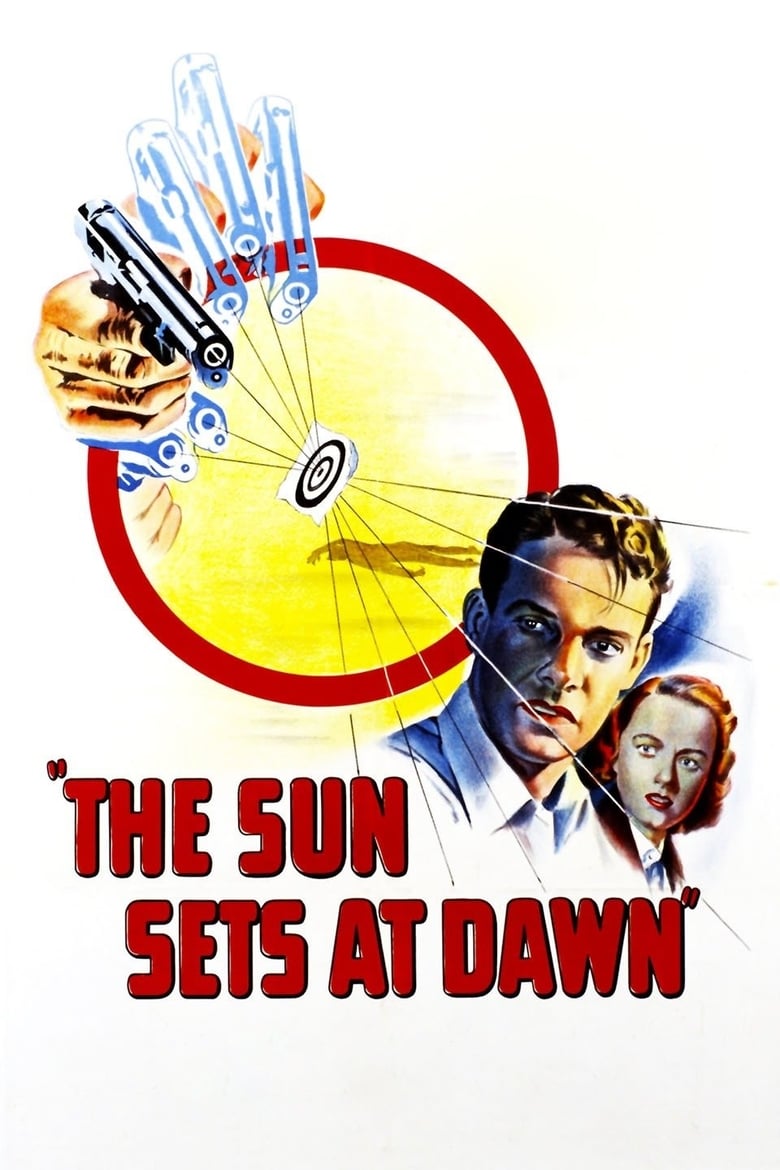
Sun Sets at Dawn 1950
1950 Holiday Films
★★★☆☆ Notable
Film Noir · 71 minutes · Black & White

Sun Sets at Dawn

Directed by Paul Sloane
Year 1950
Runtime 71 min
Studio Holiday Films
TMDB 6.4 / 10
"A man waits for dawn in a cell he may not live to leave."

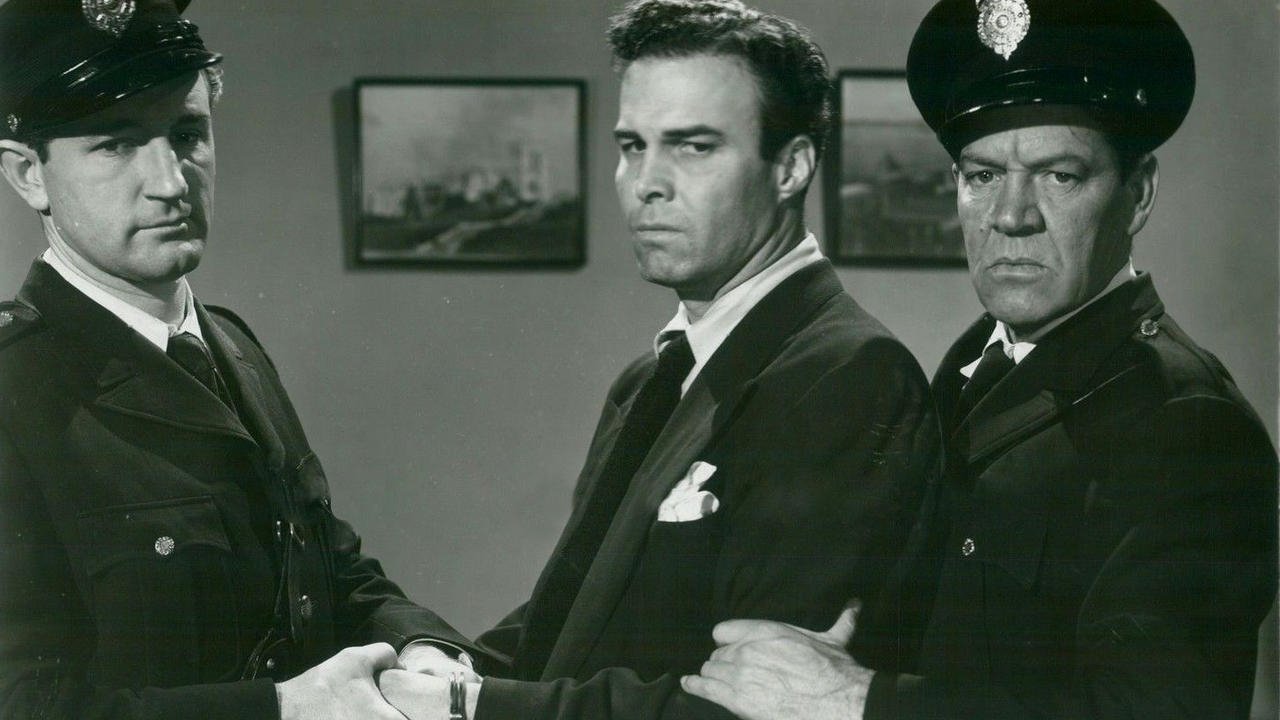
In a state prison on the eve of an execution, a young man known only as The Boy sits condemned for murder. The Chaplain, a figure of quiet moral conviction, moves through the institution's routines with growing doubt about the sentence. Blackie, a seasoned inmate with his own calculations, occupies the middle ground between guilt and survival. The Warden administers the machinery of punishment with the weary authority of a man who has learned not to ask too many questions.

As the hours contract toward the scheduled execution, a girl from outside the walls introduces evidence and emotion that complicate the case against The Boy. Pops, an older prisoner worn down by institutional time, serves as a reluctant witness to events he cannot fully control. Allegiances shift along the fault lines of self-interest and conscience, and the Chaplain finds himself caught between the obligations of his office and the demands of what he believes to be true.

Sun Sets at Dawn operates within the tradition of the prison-house noir, a subgenre that uses incarceration as a lens for examining the state's monopoly on justice and the individual's capacity for moral resistance. The film belongs to a cycle of early 1950s American pictures that interrogate capital punishment not through polemic but through the slow accumulation of institutional dread and ordinary human failure.
Classic Noir

Sun Sets at Dawn arrives from Holiday Films, an independent production outfit with none of the institutional resources of a major studio, and the constraints show – but so does a compensating economy of purpose. Paul Sloane, whose career stretched back to silent pictures, directs with a procedural efficiency that suits the material: this is a film about a system grinding forward, and the filmmaking mirrors that quality. The picture's treatment of capital punishment is notable for its period. Rather than sensationalizing the condemned man's fate, Sloane and his collaborators sustain an atmosphere of institutional inevitability that carries genuine moral weight. Lionel Lindon's photography gives the prison spaces a compressed, shadowbound quality consistent with the film's moral argument – that guilt and innocence are determined not by fact alone but by the tolerance of institutions for inconvenient truth. The unnamed characters signal an interest in archetype over psychology, a choice that occasionally flattens performance but reinforces the film's thesis that within the prison's walls, identity is subordinated to function.

– Classic Noir
3 ★★★☆☆ Notable
Credits

The Crew

DirectorPaul Sloane
ScreenplayPaul Sloane
CinematographyLionel Lindon
MusicLeith Stevens
EditingSherman Todd
Art DirectionWilliam Flannery
CostumesRobert Martien
ProducerPaul Sloane
Performances

The Cast

Close Reading

The Signature Scene

Sun Sets at Dawn – scene
The Chaplain's Vigil One Lamp Against the Dark

Lindon frames the Chaplain at a table in a narrow anteroom adjacent to the cell block, a single practical lamp casting a cone of light that barely reaches the edges of the composition. The walls recede into an undifferentiated darkness that reads less as shadow than as absence. The camera holds at a medium distance, denying the audience the consolation of a close-up, so that the Chaplain's face remains partially unresolved – present but not intimate. When movement enters the frame, it arrives from the darkness at screen right, disturbing the lamp's geometry without relieving it.

The scene articulates the film's central argument through composition rather than dialogue: that moral clarity does not illuminate its surroundings, and that a man who knows the right thing may still be unable to act on that knowledge in time. The Chaplain is not heroic in this frame; he is isolated. The lamp is less a symbol of hope than a measure of how much darkness surrounds the small territory of conscience.

Visual Language

The Cinematography

🎞️
Lionel Lindon – Director of Photography

Lionel Lindon, who would later shoot Around the World in 80 Days and earn a reputation for his work in widescreen formats, brings to Sun Sets at Dawn the disciplined low-key approach that characterized the better independent noir productions of the period. Working within evident budgetary limits, Lindon relies on practical sources – single overhead fixtures, barred window light, a lamp or lantern placed to motivate the scene – rather than the elaborate setups available at major studios. The effect is a visual world in which shadow is not decorative but structural, where the absence of light reads as the absence of institutional mercy. Interior studio work dominates, and Lindon uses the constructed prison sets to build corridors of diminishing depth that compress the frame and reinforce the narrative's temporal urgency. His lens choices favor a focal length that keeps middle-ground figures slightly soft, preserving the sense that individual identity is perpetually at risk of dissolving into the institution's geometry.

In the Catalogue

Themes & Motifs

Availability

Where to Watch

Also in the Directory

See Also