Films People Pull a Fast One Night Beat Reading Room On TV Shop
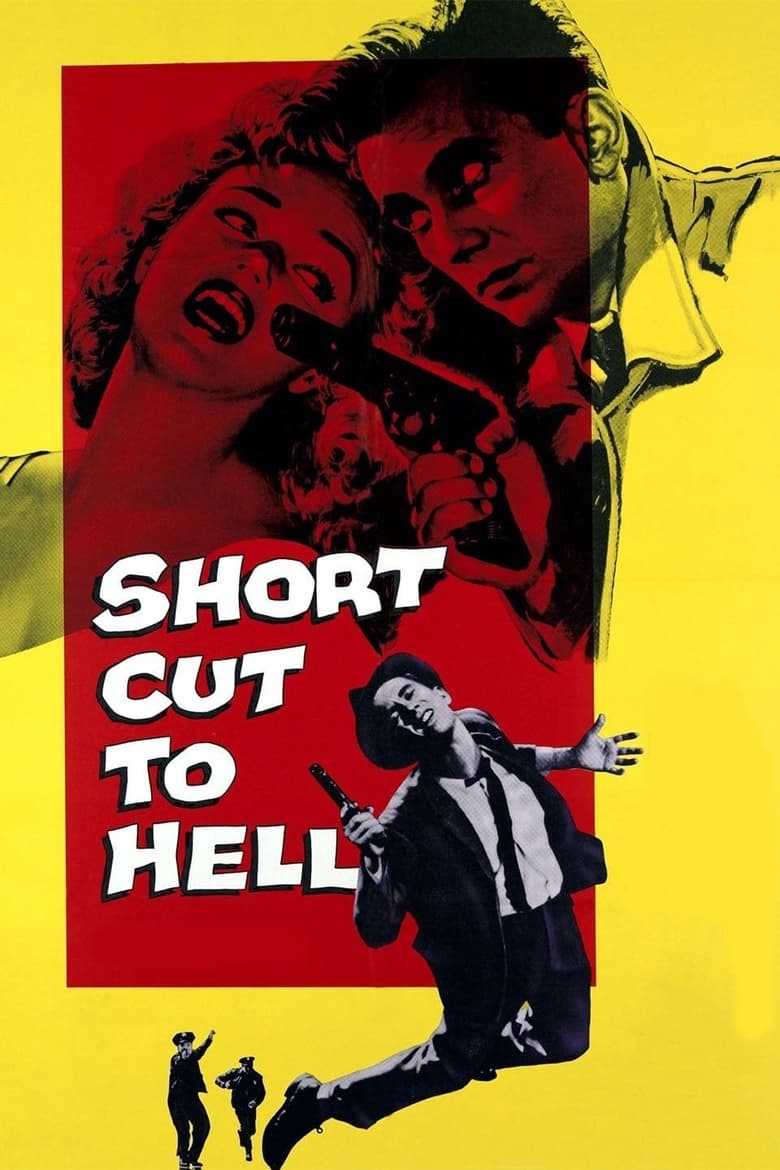
Short Cut to Hell 1957
1957 A.C. Lyles Productions
★★★☆☆ Notable
Film Noir · 89 minutes · Black & White

Short Cut to Hell

Directed by James Cagney
Year 1957
Runtime 89 min
Studio A.C. Lyles Productions
TMDB 5.8 / 10
"A hired gun and a stolen future collide on a road that only runs one way."

Kyle Niles is a young, cold-blooded killer for hire operating on the margins of the criminal underworld. When a middleman named Bahrwell contracts him for a double murder, Kyle accepts the job on the condition that he receives enough money to disappear for good. The plan calls for the killing of two witnesses, and Kyle executes it with the efficient detachment of a man who has long since stopped measuring the cost of a life. Sgt. Stan Lowery, a methodical homicide detective, is assigned the case and begins pulling at the threads Kyle has left behind.

The complication arrives in the form of Glory Hamilton, a woman with a tangential connection to the crime who becomes entangled with Kyle in ways neither anticipated. Their uneasy proximity forces the film's moral geometry into sharper relief: Kyle's capacity for violence sits alongside something that might, under different conditions, have been feeling. Meanwhile Lowery closes the distance, and Bahrwell, whose loyalties extend no further than his own survival, begins calculating how to redirect suspicion away from himself. The network of obligation and betrayal tightens around Kyle from every side.

Short Cut to Hell operates within the tradition of the doomed-killer noir, a lineage running from Graham Greene's source novel through the 1942 Paramount adaptation This Gun for Hire. Cagney's version relocates the archetype into the anxious, highway-crossed America of the late 1950s, where postwar prosperity has done nothing to close off the back routes that men like Kyle travel. The film asks, as the genre habitually does, whether fate is a structural condition or simply the accumulated weight of choices no one bothered to revisit.
Classic Noir

Short Cut to Hell occupies a curious position in the noir canon: it is the only film James Cagney directed, and he never directed another. That biographical fact has tended to overshadow what the picture actually accomplishes. Working from a script derived from Graham Greene's A Gun for Sale, Cagney and producer A.C. Lyles deliver a lean, unsentimental reworking of material that This Gun for Hire had already treated memorably fifteen years earlier. Robert Ivers brings a coiled, watchful quality to Kyle that sidesteps imitation of Alan Ladd's famous reading, and Yvette Vickers, in a supporting turn, demonstrates the precise economy of presence that would soon make her a minor cult figure. Haskell B. Boggs photographs the Californian locations with an eye for the way mundane geography – parking lots, motel strips, indifferent suburban streets – can absorb menace without announcing it. The film does not reinvent its template, but it applies that template with discipline, and in 1957, discipline was itself a form of argument against the loosening conventions of a genre already beginning to dissolve.

– Classic Noir
3 ★★★☆☆ Notable
Credits

The Crew

DirectorJames Cagney
ScreenplayTed Berkman
CinematographyHaskell B. Boggs
ProducerA.C. Lyles
Performances

The Cast

Close Reading

The Signature Scene

Short Cut to Hell – scene
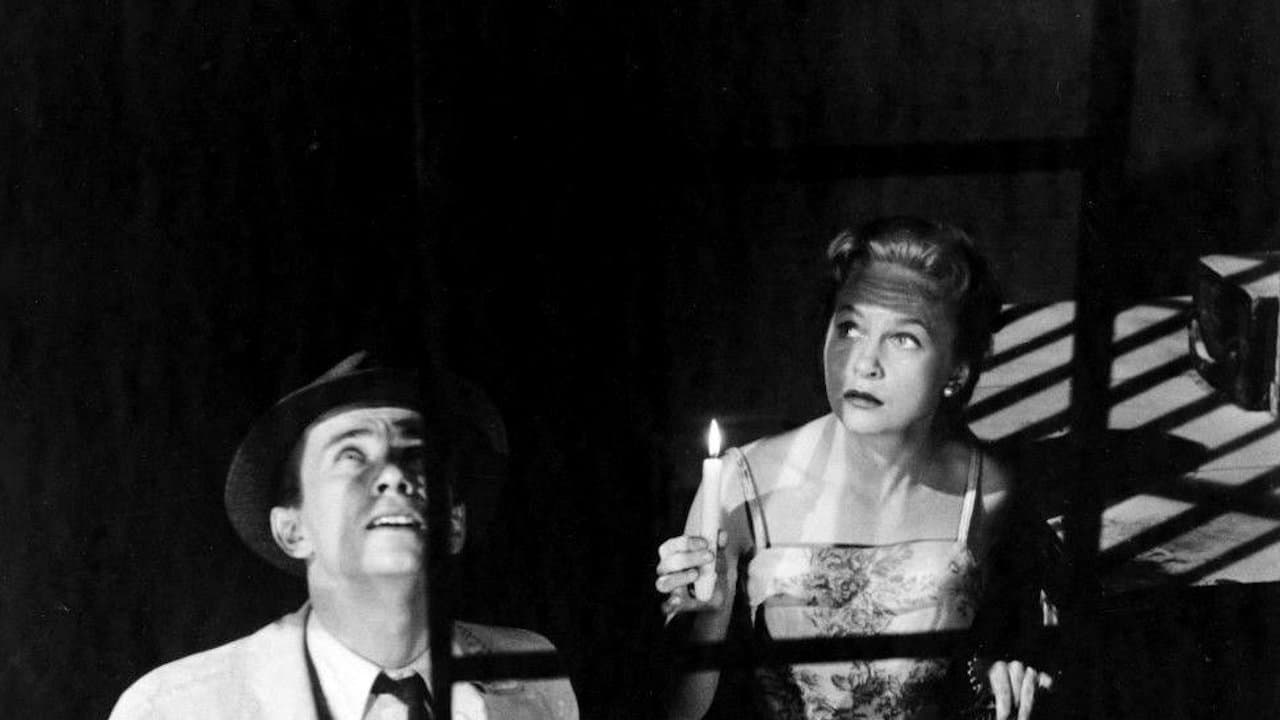
The Motel Confrontation Light Through a Venetian Blind

Boggs composes the scene in a low-ceilinged motel room where the principal light source is a window with a venetian blind drawn against the afternoon. The result is a grid of shadow laid across every horizontal surface – bed, floor, the faces of the two figures inside. The camera holds a medium two-shot that refuses to privilege either character spatially, keeping both within the same field of partial illumination. When one figure moves, the shadow bars slide across skin in a way that makes confinement feel less architectural than moral.

The scene crystallizes the film's central proposition: that Kyle's situation is not a trap sprung from outside but a condition he has been inhabiting all along without recognizing it as such. The bars of shadow are there before he enters the room and remain after he leaves. Glory's stillness within that same geometry suggests she has assessed the situation more clearly than he has, and the imbalance of understanding between them is the scene's real subject – not the words exchanged but what each already knows and will not say.

Visual Language

The Cinematography

🎞️
Haskell B. Boggs – Director of Photography

Haskell B. Boggs, working in black-and-white VistaVision for A.C. Lyles Productions, brings to Short Cut to Hell the same controlled pragmatism he applied across a career largely spent at Paramount on mid-budget genre pictures. His lighting strategy favors hard sources – practical lamps, window light, single-point fill – over the more elaborate chiaroscuro of studio-era noir, a choice that suits both the film's modest budget and its 1957 setting, in which the genre was migrating from studio lots toward actual streets and actual rooms. Location shooting in and around Los Angeles allows Boggs to use ambient light as moral commentary: the flat, indifferent California sun denies characters the expressive shadow they might find indoors, making their exposure on open ground feel precarious rather than dramatic. Interior scenes recover the shadow work the exteriors withhold, and the contrast between the two registers creates a rhythm of concealment and vulnerability that runs beneath the narrative like a second argument.

In the Catalogue

Themes & Motifs

Availability

Where to Watch

Also in the Directory

See Also