Films People Pull a Fast One Night Beat Reading Room On TV Shop
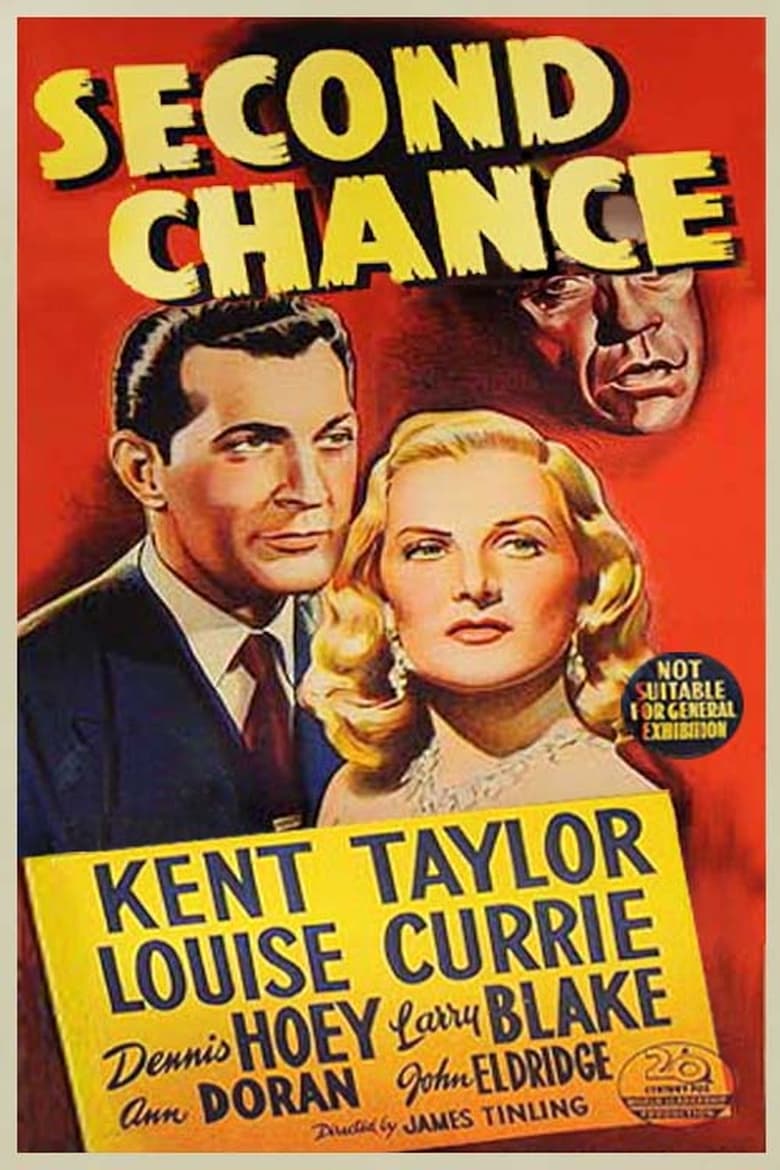
Second Chance 1947
1947 Sol M. Wurtzel Productions
★★★☆☆ Notable
Film Noir · 63 minutes · Black & White

Second Chance

Directed by James Tinling
Year 1947
Runtime 63 min
Studio Sol M. Wurtzel Productions
TMDB 6.5 / 10
"A man with a clean name finds that someone else has already spent it."

Kendal Wolf arrives in a coastal city carrying the quiet desperation of a man trying to outrun his past. He crosses paths with Joan Summers, a woman whose situation is equally precarious – she is entangled with Roger Elwood, a figure whose influence over her is more coercive than romantic. Detective Sergeant Sharpe is already watching the edges of this world, waiting for someone to make the mistake that unravels everything.

As Wolf and Joan move closer to one another, the criminal machinery surrounding Elwood tightens. Nick and Bart operate as enforcers of a moral order defined entirely by self-interest, and Doris Greene complicates the loyalties that might otherwise keep Wolf clear of the worst of it. The second chance the title promises proves to be a conditional offer – contingent on choices that the film treats with genuine ambiguity.

Second Chance works within the compressed economy of the B-noir, using its 63-minute running time to sketch a world where redemption is available but not guaranteed. The film belongs to the postwar cycle of low-budget noirs produced outside the major studios, pictures that traded in plausible dread rather than spectacle and found their tension in tight interiors and the faces of actors working without a safety net.
Classic Noir

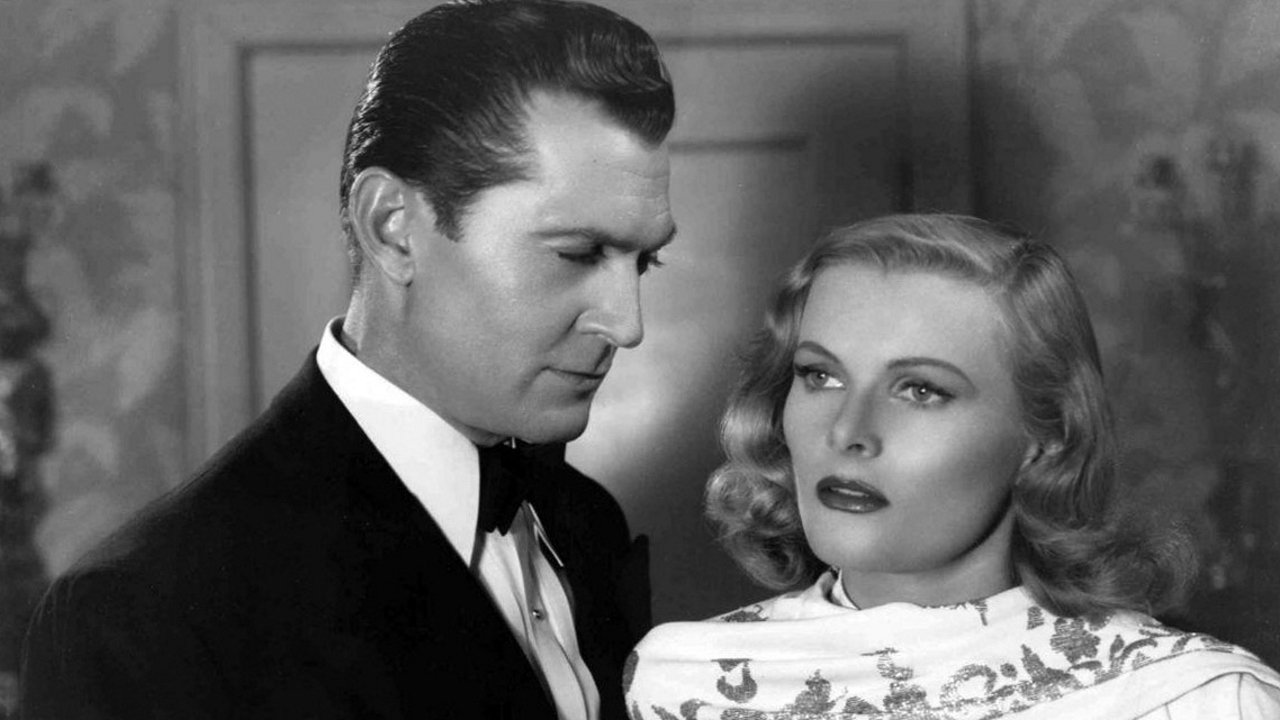
Second Chance sits at the less celebrated end of the noir cycle – a Sol M. Wurtzel production directed by James Tinling with the efficiency that B-picture economics demanded and occasionally rewarded. Kent Taylor brings a restrained credibility to Wolf that the role requires, and Louise Currie's Joan is written and performed with enough self-awareness to avoid the passive-victim register that weaker scripts assigned to women in her position. What the film reveals about its era is less a matter of psychology than of social texture: the postwar city as a place where clean breaks are advertised but seldom delivered, where new identities are on offer at a cost the protagonist cannot fully calculate in advance. Benjamin H. Kline's cinematography holds the film together visually in the absence of a generous budget, and R. Dale Butts's score operates at a sensible distance from melodrama. The result is a picture that earns its place in the noir catalogue not through ambition but through competence – a distinction the genre's lower tier rarely receives adequate credit for.

– Classic Noir
3 ★★★☆☆ Notable
Credits

The Crew

DirectorJames Tinling
ScreenplayArnold Belgard
CinematographyBenjamin H. Kline
MusicR. Dale Butts
EditingFrank Baldridge
Performances

The Cast

Close Reading

The Signature Scene

Second Chance – scene
The Waterfront Confrontation Light Failing on the Dock

Kline positions the camera at mid-distance, letting the geometry of the dock structure – its horizontal planking, vertical pilings, the low horizon of water behind – organize the frame into intersecting planes of shadow and ambient light. The key light falls obliquely, carving the figures out of the surrounding darkness without fully illuminating them, a choice that withholds moral clarity from what might otherwise read as a straightforward standoff. The deep focus holds both the foreground action and the escape route behind it in the same plane of sharpness, so the audience reads threat and possibility simultaneously.

The scene crystallizes the film's central argument: that the second chance of the title is not a gift but a test administered under conditions the protagonist did not choose and cannot fully control. Wolf's position in the frame – neither centered nor marginalized – encodes his status as a man whose fate remains genuinely open, subject to the convergence of forces that the noir worldview insists are only partially susceptible to individual will.

Visual Language

The Cinematography

🎞️
Benjamin H. Kline – Director of Photography

Benjamin H. Kline brought to Second Chance the practical resourcefulness of a cinematographer who had worked consistently in Poverty Row and B-picture production since the silent era. Shooting on studio interiors with modest resources, Kline relies on low-key lighting setups that maximize shadow coverage without requiring elaborate equipment – single-source practicals augmented by carefully angled fill, producing the high-contrast look that the genre demanded at a fraction of the cost the major studios allocated to it. His framing tends toward the tight and slightly claustrophobic, reinforcing the screenplay's premise that the spaces these characters inhabit offer little room for error. Where location work appears, Kline uses available light with discipline rather than spontaneity, maintaining tonal consistency between interior and exterior sequences. The visual language of Second Chance does not call attention to itself, which is precisely its competence: the cinematography serves the story's moral logic by making the world look exactly as constrained as the characters experience it to be.

In the Catalogue

Themes & Motifs

Availability

Where to Watch

Also in the Directory

See Also