Films People Pull a Fast One Night Beat Reading Room On TV Shop
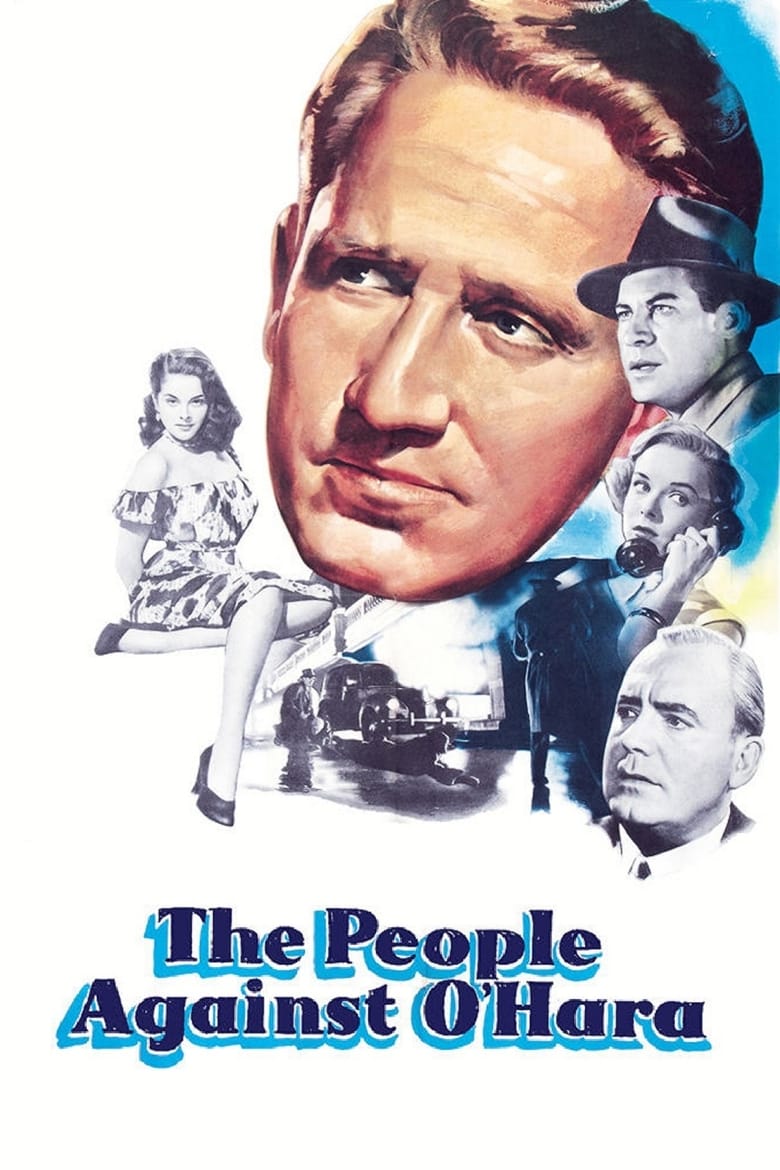
People Against O'Hara 1951
1951 Metro-Goldwyn-Mayer
★★★☆☆ Notable
Film Noir · 102 minutes · Black & White

People Against O'Hara

Directed by John Sturges
Year 1951
Runtime 102 min
Studio Metro-Goldwyn-Mayer
TMDB 5.7 / 10
"A man who left the law behind finds it waiting for him in the dark."

James Curtayne was once a formidable criminal defense attorney, but alcohol and moral compromise ended his career. Now sober and working a modest insurance desk, he is pulled back into the law when his daughter Virginia's boyfriend, Johnny O'Hara, is charged with murder. Certain of the young man's innocence, Curtayne agrees to take the case, believing a single righteous act might restore something he surrendered long ago.

When legitimate channels fail to produce the evidence Curtayne needs, he turns to figures from his compromised past – men connected to the criminal syndicate that once greased his practice. The favor he extracts carries a price he cannot yet calculate, and the arrangement places him in opposition not only to the prosecution but to his own principles. Det. Vincent Ricks, an old colleague, watches from a careful distance as Curtayne's methods grow increasingly difficult to distinguish from those of the men he is fighting.

The film belongs to a particular postwar strand of noir preoccupied with institutional failure and private guilt – the story of a man whose redemption arc curves steadily toward self-destruction. The question it pursues is not whether O'Hara is innocent but whether innocence, once defended by compromised means, can mean anything at all.
Classic Noir

People Against O'Hara is a film that asks a serious question about redemption and then refuses to let its protagonist answer it cleanly. John Sturges, more often associated with action than atmosphere, works here with a disciplined restraint that suits the material: this is a procedural built on moral erosion rather than plot mechanics. Spencer Tracy carries the film through the credibility of exhaustion – Curtayne is not a tragic hero in the classical mold but a man who knows precisely what he is doing wrong and does it anyway. That self-awareness makes the character more disturbing than a conventional fallen professional would be. Released in 1951, the film sits squarely within the cycle of postwar legal and police noirs that used institutional frameworks to examine how far individual conscience bends under social and economic pressure. MGM's production gloss is held in check by John Alton's cinematography, which strips the studio veneer away at key intervals and returns the film to the street-level fatalism the story requires.

– Classic Noir
3 ★★★☆☆ Notable
Credits

The Crew

DirectorJohn Sturges
ScreenplayJohn Monks Jr.
CinematographyJohn Alton
MusicCarmen Dragon
EditingGene Ruggiero
ProducerWilliam H. Wright
Performances

The Cast

Close Reading

The Signature Scene

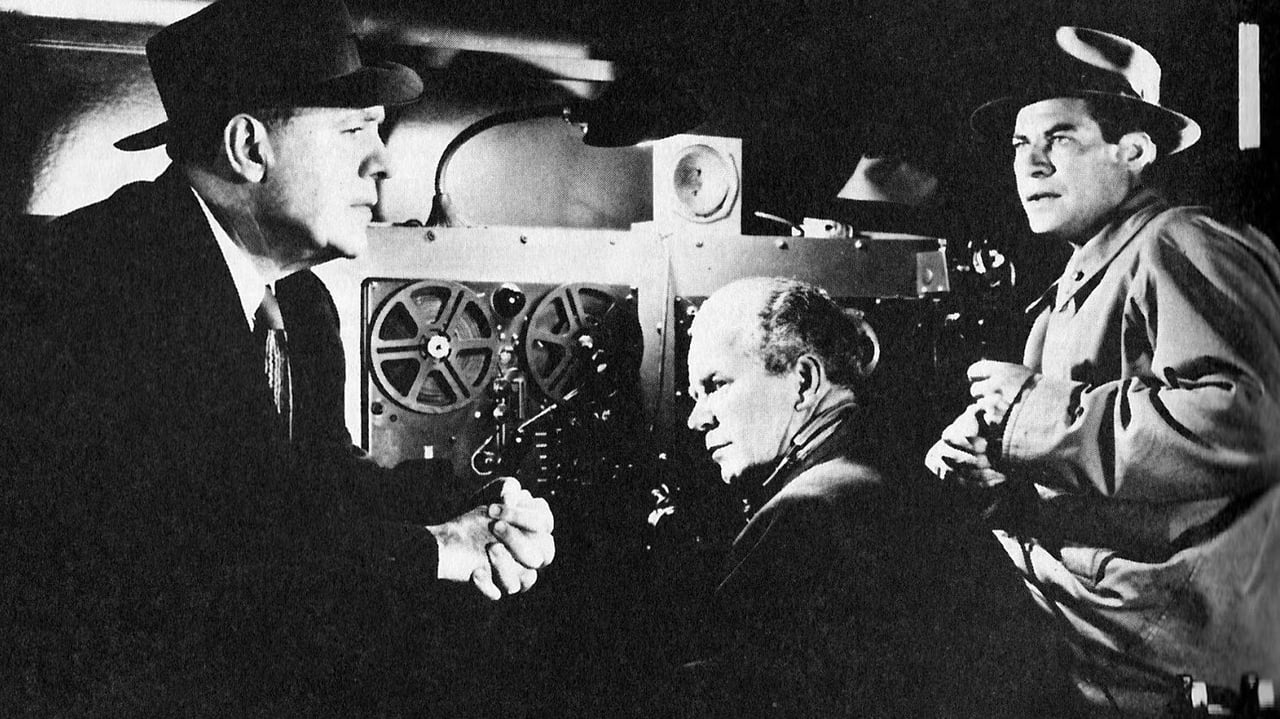
People Against O'Hara – scene
The Waterfront Surveillance One Man in Open Dark

Alton stages the climactic waterfront sequence with a near-documentary economy that makes the preceding studio work feel like prologue. Curtayne is followed through a wide, near-empty wharf at night, the camera maintaining a discreet distance that mirrors the detached professionalism of the men tracking him. Light falls in isolated pools from overhead dock lamps, leaving the spaces between them as absolute black. The frame is composed in deep focus, so that the foreground figure and the background threat occupy the same plane of clarity, denying Curtayne – and the viewer – any visual refuge.

What the sequence reveals is the film's central argument made spatial: there is nowhere to hide from a transaction you have already completed. Curtayne walks into the dark not through ignorance but through a precise understanding of what is coming. The camera's patience, its refusal to cut away or to dramatize with movement, transforms the scene from suspense set-piece into something closer to an accounting. The man is not caught – he arrives.

Visual Language

The Cinematography

🎞️
John Alton – Director of Photography

John Alton, who had already codified much of noir's visual grammar in his 1949 book Painting with Light, brings to People Against O'Hara a disciplined contrast between the film's two registers. Interior scenes – law offices, the Curtayne apartment, interrogation rooms – are lit with the controlled, slightly oppressive luminosity appropriate to MGM production norms, shadow deployed selectively rather than overwhelmingly. But whenever the narrative moves into the city at night, Alton abandons fill light almost entirely, working with hard, directional sources that model faces as moral landscapes. The waterfront finale is shot on location, and Alton uses the genuine darkness of the Los Angeles docks as a practical element rather than something to be compensated for – available pools of industrial light become the only geometry organizing the frame. Throughout, his lens choices keep depth honest: wide enough to place characters within environments that can betray them, never so tight as to grant the illusion of intimacy or safety. The visual logic supports the film's argument that guilt has a geography.

In the Catalogue

Themes & Motifs

Availability

Where to Watch

Also in the Directory

See Also