Films People Pull a Fast One Night Beat Reading Room On TV Shop
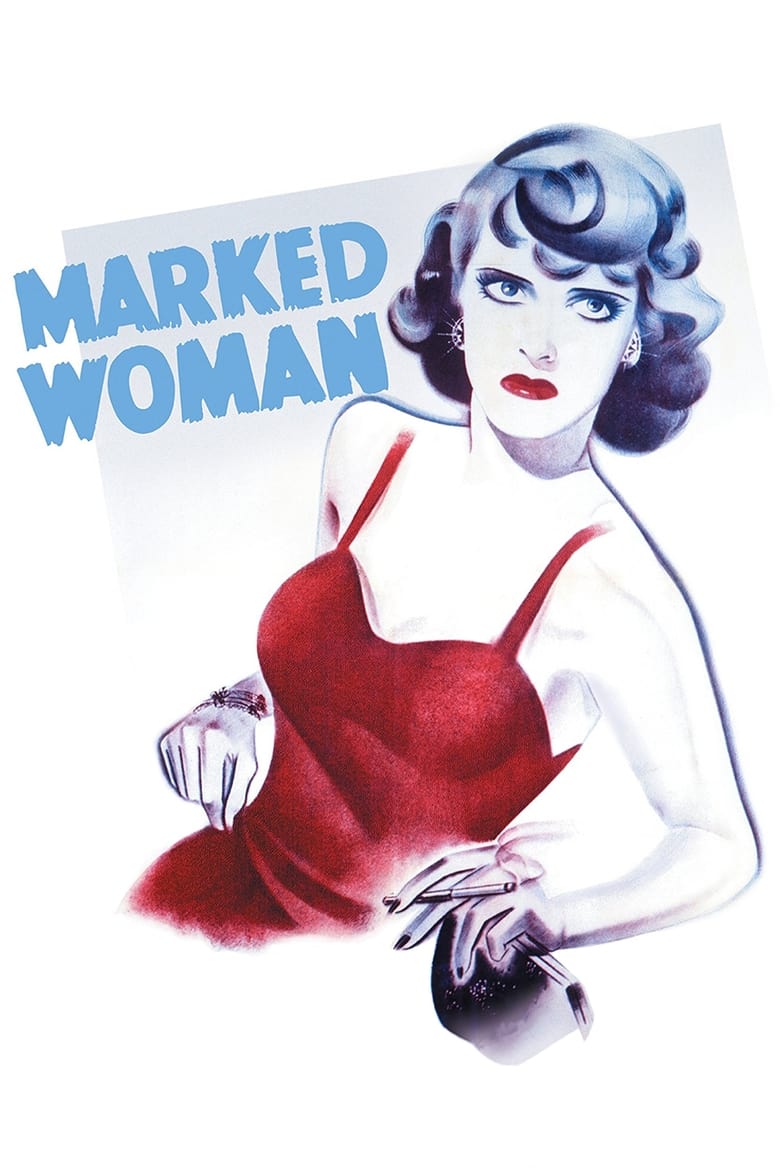
Marked Woman 1937
1937 First National Pictures
★★★☆☆ Notable
Film Noir · 96 minutes · Black & White

Marked Woman

Directed by Lloyd Bacon
Year 1937
Runtime 96 min
Studio First National Pictures
TMDB 6.6 / 10
"Five women carry the city's dirt on their backs while the law waits for one of them to break."

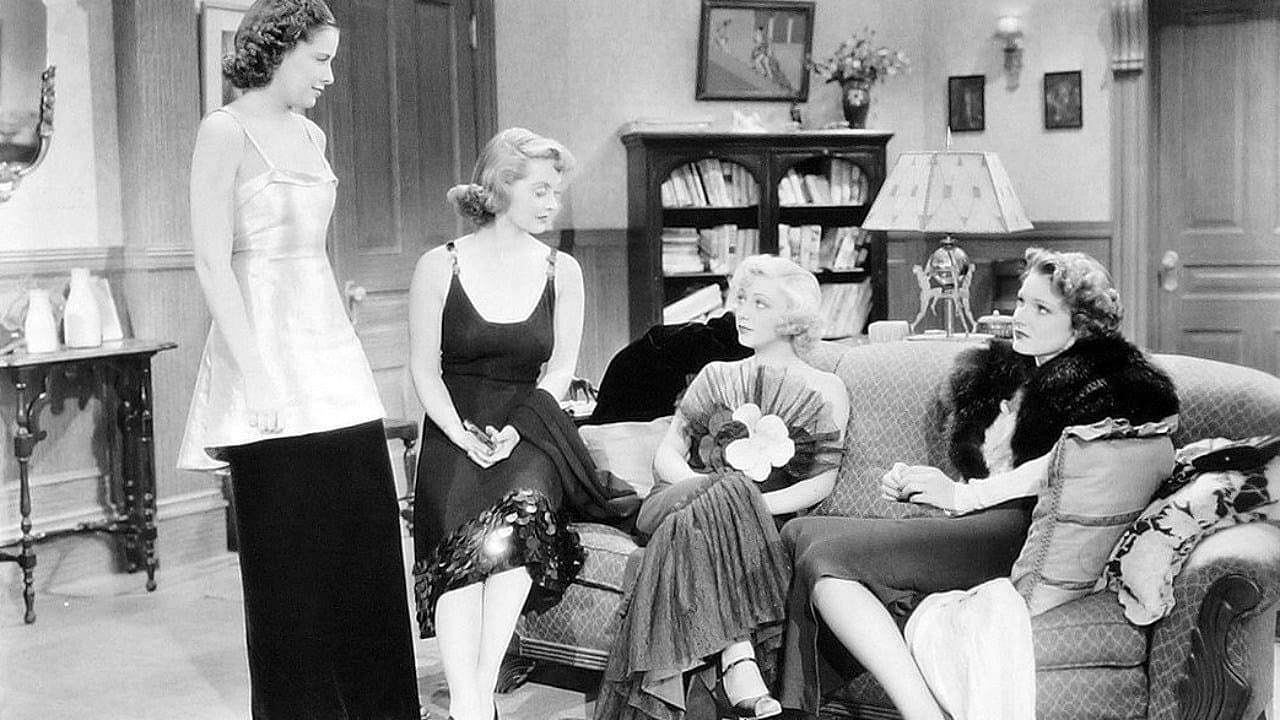
New York, the late 1930s. Mary Dwight Strauber works as a hostess at the Club Intime, a high-end clip joint operating under the protection of Johnny Vanning, a syndicate boss who has quietly taken over the city's vice trade. Mary is shrewd enough to know exactly what the arrangement costs her and pragmatic enough to live with it – until Vanning's reach extends to her younger sister Betty, who has come to the city with no knowledge of how it actually runs. Mary's four coworkers – Gabby, Emmy Lou, Florrie, and Estelle – occupy the same precarious position, each woman bound to Vanning's operation by economics, habit, or fear.

Assistant District Attorney David Graham is building a case against Vanning and needs witnesses willing to testify. Mary refuses, understanding that cooperation with the law offers no real protection and that Vanning's retaliation is swift and certain. When Betty is drawn into Vanning's orbit and the consequences turn lethal, the calculus shifts. Mary agrees to testify, and Vanning's men ensure she pays a physical price before she can take the stand. The film tracks the distance between Graham's institutional confidence and the women's lived knowledge of what legal machinery actually protects and what it abandons.

Marked Woman occupies an unusual position within the pre-noir cycle of the late 1930s: it arrives too early for the postwar shadows that define classical noir, yet it carries the genre's moral weight with unusual directness. Its roots lie in the real prosecution of Charles 'Lucky' Luciano by Thomas Dewey, but the film pushes past procedural drama to examine the structural conditions that make women like Mary simultaneously indispensable to a criminal economy and invisible to the legal one. The result is a crime film that takes its female characters seriously as agents of their own, constrained fate.
Classic Noir

Marked Woman is not conventionally classified as film noir – it predates the movement's formal crystallization – yet it earns a place in any serious account of the genre's moral genealogy. Lloyd Bacon directs with efficiency rather than expressionist flourish, but the film's argument is darker than its Warner Bros. social-problem packaging suggests. Bette Davis plays Mary not as a victim awaiting rescue but as a woman who has made an honest accounting of her options and chosen the least ruinous one available. Her eventual cooperation with the D.A. is not a conversion; it is a transaction entered into only after the system has demonstrated it cannot protect her. Humphrey Bogart's Graham is decent but limited, a man whose good intentions are underwritten by institutional power that the women around him do not share. George Barnes's cinematography keeps the nightclub interiors murky and the courtroom scenes flat and exposing, a visual grammar that mirrors the film's central argument: light here is not revelation but exposure, and exposure is not the same as justice.

– Classic Noir
3 ★★★☆☆ Notable
Credits

The Crew

DirectorLloyd Bacon
ScreenplayRobert Rossen
CinematographyGeorge Barnes
MusicHarry Warren
EditingJack Killifer
Art DirectionMax Parker
CostumesOrry-Kelly
Performances

The Cast

Close Reading

The Signature Scene

Marked Woman – scene
The Hospital Corridor Bandaged Face, Unbowed Eyes

After Vanning's men have beaten and disfigured Mary, Barnes frames her in a medium close-up that refuses the usual grammar of victimhood. The hospital light is institutional and flat, stripped of the shadows that define the nightclub sequences earlier in the film. The bandages covering half her face are white against a grey background, and the camera holds its position without moving in for sentiment – the composition places Mary at the center of the frame with space on either side, isolating her without crowding her.

The scene encodes the film's central argument in a single image: Mary has been marked, literally and permanently, by a system she could not exit and a law that could not shield her. Yet Davis plays the moment without collapse. The stillness of her expression within the bandaging communicates not defeat but a clear-eyed reckoning with what cooperation with Graham has actually cost. The disfigurement is Vanning's answer to the legal process, and the film does not soften what that answer means.

Visual Language

The Cinematography

🎞️
George Barnes – Director of Photography

George Barnes – who had already shot the original King Kong and would later photograph Rebecca – brings a disciplined restraint to Marked Woman that suits the film's refusal of melodramatic excess. Working on studio sets designed to suggest Manhattan's nightclub economy, Barnes establishes two distinct visual registers: the Club Intime interiors are lit with low-key sources that produce graduated shadow and compress the frame, aligning the women with the moral ambiguity of their environment; the courtroom and official spaces are rendered in harder, more even light that exposes rather than conceals. Barnes keeps lens focal lengths consistent within each register, so the shift between spaces carries tonal weight without visual ostentation. Shadow falls across faces at the moments of maximum moral pressure – particularly in Mary's scenes with Graham, where the light consistently advantages him – and recedes in the scenes among the women themselves, where the cinematography grants them a relative clarity the narrative otherwise denies them.

In the Catalogue

Themes & Motifs

Availability

Where to Watch

Also in the Directory

See Also