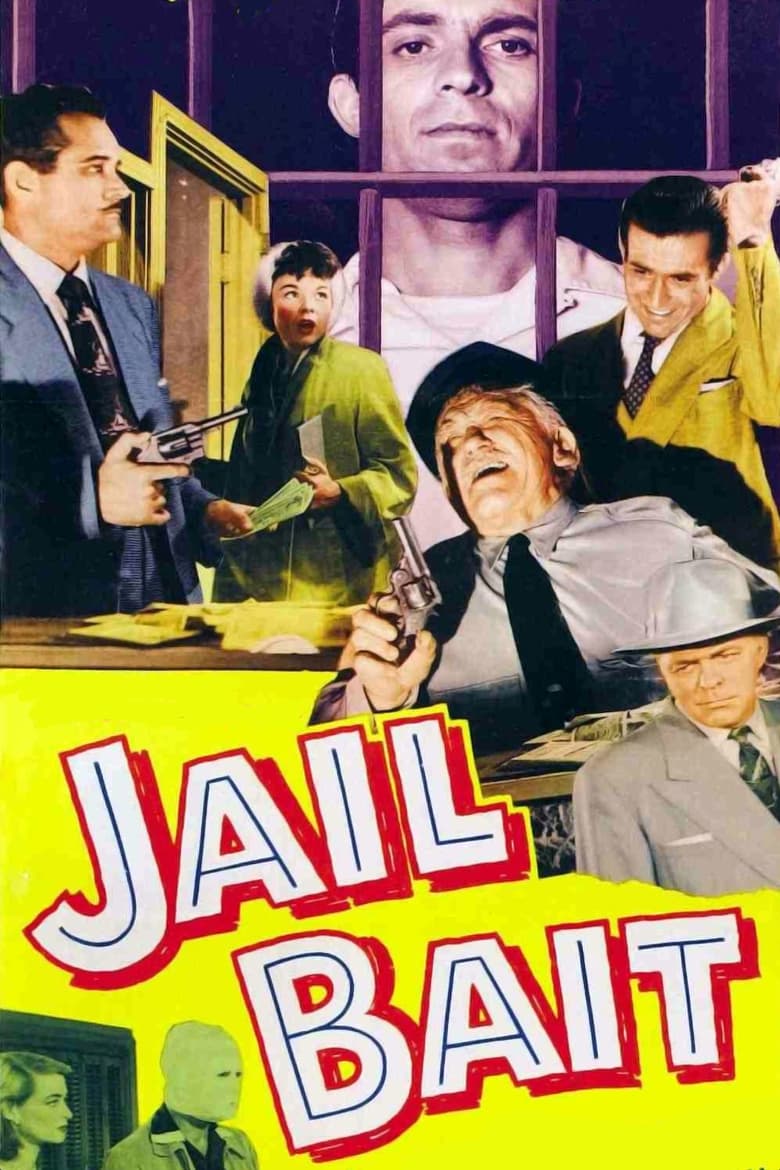
In this eighteen-minute short produced by Educational Pictures, a young man's brush with the law places him inside a system he is poorly equipped to navigate. The film draws on the institutional architecture of the American justice apparatus – the precinct desk, the holding cell, the warden's office – as both setting and moral framework, positioning its central figure against authority figures who process human failure with bureaucratic indifference.
The conflict deepens as the gap between the protagonist's self-understanding and the system's verdict widens. Arresting officer, desk sergeant, and warden each represent a distinct tier of institutional power, and the film uses their brief, functional exchanges to sketch a world in which individual circumstance carries little weight against procedural momentum. Allegiances, such as they are, belong to the machinery rather than to any person caught inside it.
Operating in the territory of the crime cautionary short – a form that flourished in the 1930s alongside the rise of the feature noir – Jail Bait uses compression as a structural principle. What the film lacks in duration it compensates for in economy, building its argument about consequence and institutional indifference through accumulation of small, telling detail rather than dramatic confrontation.
Jail Bait belongs to the substantial and frequently overlooked tradition of the crime short, a format that Educational Pictures and comparable studios deployed throughout the 1930s as both commercial filler and moral instruction. Directed by Charles Lamont – who would accumulate a long and varied studio career – the film works within severe constraints of time and budget, yet those constraints are not entirely without productive effect. The institutional settings and the uncredited cast of character actors, including Stanley Blystone's arresting officer and Allan Cavan's desk sergeant, carry the weight of a system rendered with functional economy. Where the film earns its place in a genre survey is precisely in its early, compressed articulation of ideas that the feature noir would later expand: the indifferent state apparatus, the young man undone by a single misstep, the absence of any intervening moral force. As a document of the pre-code and immediate post-code moment, it registers the era's anxious fascination with criminality and punishment before the genre found its mature visual and narrative grammar.
– Classic Noir
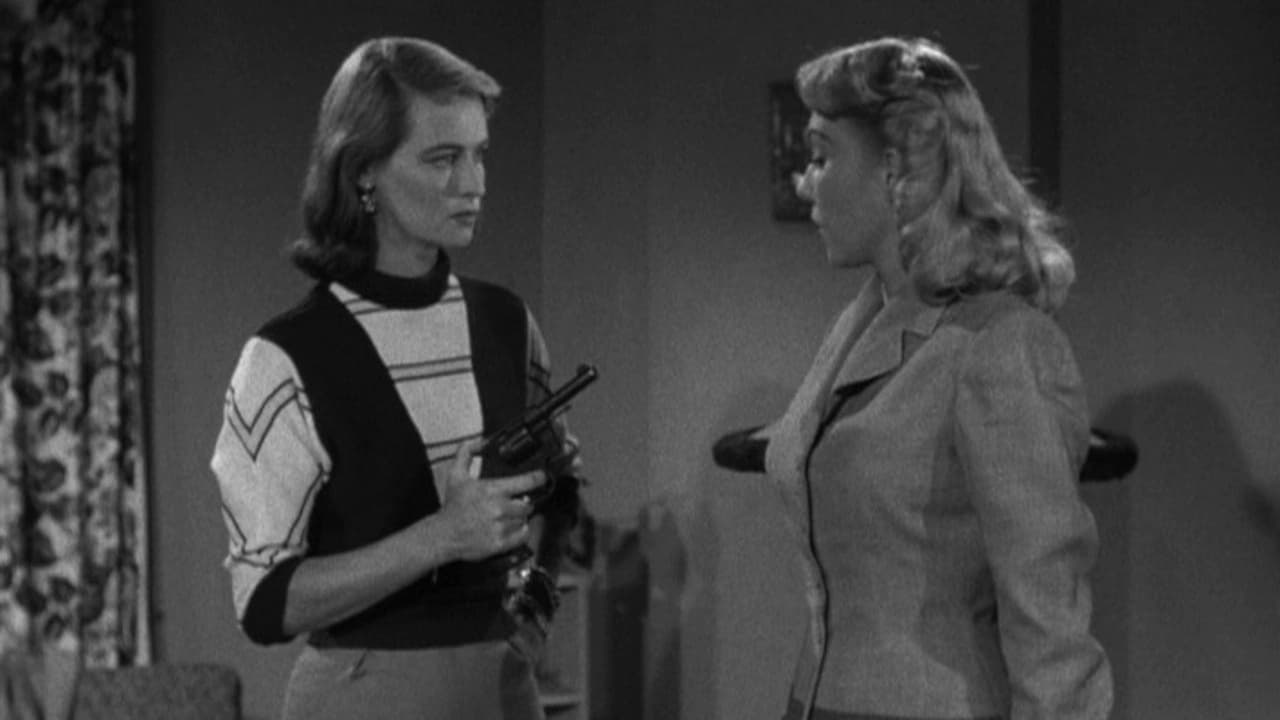
Dwight Warren's camera holds on the warden's desk in a shallow, frontal composition that flattens the space into a ledger of cause and effect. Light falls from a practical overhead source, cutting hard shadows beneath the jaw of the officer recording the intake, leaving the edges of the frame in a grey half-dark that neither dramatises nor softens the transaction. The young man occupies the middle ground, caught between the doorframe behind him and the desk that stands as the scene's architectural argument.
The composition refuses sympathy without manufacturing menace. What the scene reveals is the film's central contention: that the machinery of consequence operates without malice, which makes it more rather than less implacable. Character here is not tested so much as processed, and the frame's insistence on institutional furniture over human face is the film's most precise moral statement.
Dwight Warren's work on Jail Bait operates within the tight economic realities of the Educational Pictures short format, where studio space, shooting schedules, and available equipment left little room for experimentation. What Warren achieves within those limits is a consistent reliance on hard, single-source lighting that gives the institutional interiors – precinct rooms, holding areas, the warden's office – a functional severity that suits the material. Shadow work is not expressionistic here in the manner of the later feature noir, but it is purposeful: darkness accumulates at the periphery of every frame, suggesting a world in which the margins offer no refuge. The lens choices favour a modest focal length that keeps the background architecture legible, reinforcing the film's concern with system over individual. There is no location work evident; the studio-bound settings, rather than limiting the film, give it a slightly airless quality that serves the story's argument about entrapment. Warren ensures that light itself becomes a form of institutional judgment.
Educational Pictures shorts of this era have been digitised and uploaded to the Internet Archive, making this the most reliable free access point, though print quality varies.
TubiFreeTubi periodically carries Educational Pictures and Columbia short subjects from the 1930s; availability should be verified at time of viewing.
KanopyFree with library membershipKanopy's classic short film holdings occasionally include pre-war crime shorts of this type; confirm availability through your local library system.