Films People Pull a Fast One Night Beat Reading Room On TV Shop
Hell's Half Acre 1954
1954 Republic Pictures
★★★☆☆ Notable
Film Noir · 90 minutes · Black & White

Hell's Half Acre

Directed by John H. Auer
Year 1954
Runtime 90 min
Studio Republic Pictures
TMDB 5.5 / 10
"A man erases himself, and a woman crosses the Pacific to find out why."

Donna Williams travels to Honolulu carrying a photograph and a conviction: the husband she believed killed at Pearl Harbor is still alive. The man she is looking for now calls himself Chet Chester and operates at the edges of Honolulu's underworld, running a nightclub in the warren of streets the locals call Hell's Half Acre. When Donna arrives, she finds a city that has absorbed the war's dislocations and rebuilt itself around new hierarchies of money, loyalty, and silence.

Chester's world is layered with competing claims on him. Rose, a hard and possessive woman who has kept him protected and solvent, regards Donna as a threat to be managed. The eccentric Lida O'Reilly moves through the margins of the story with an unsettling awareness of what Chester is hiding. A murder draws Police Chief Dan into the investigation, and Chester's carefully maintained double identity begins to collapse under the pressure of inquiry from both the law and the syndicate that surrounds him.

Hell's Half Acre uses the amnesia and assumed-identity conventions of the postwar thriller to examine what the war permitted men to become and what it cost those left behind. The Hawaiian setting gives the film an exotic remove that most domestic noir cannot afford, while the triangle of Donna, Chester, and Rose maps the genre's familiar moral geometry onto the specific anxieties of a culture still processing large-scale loss.
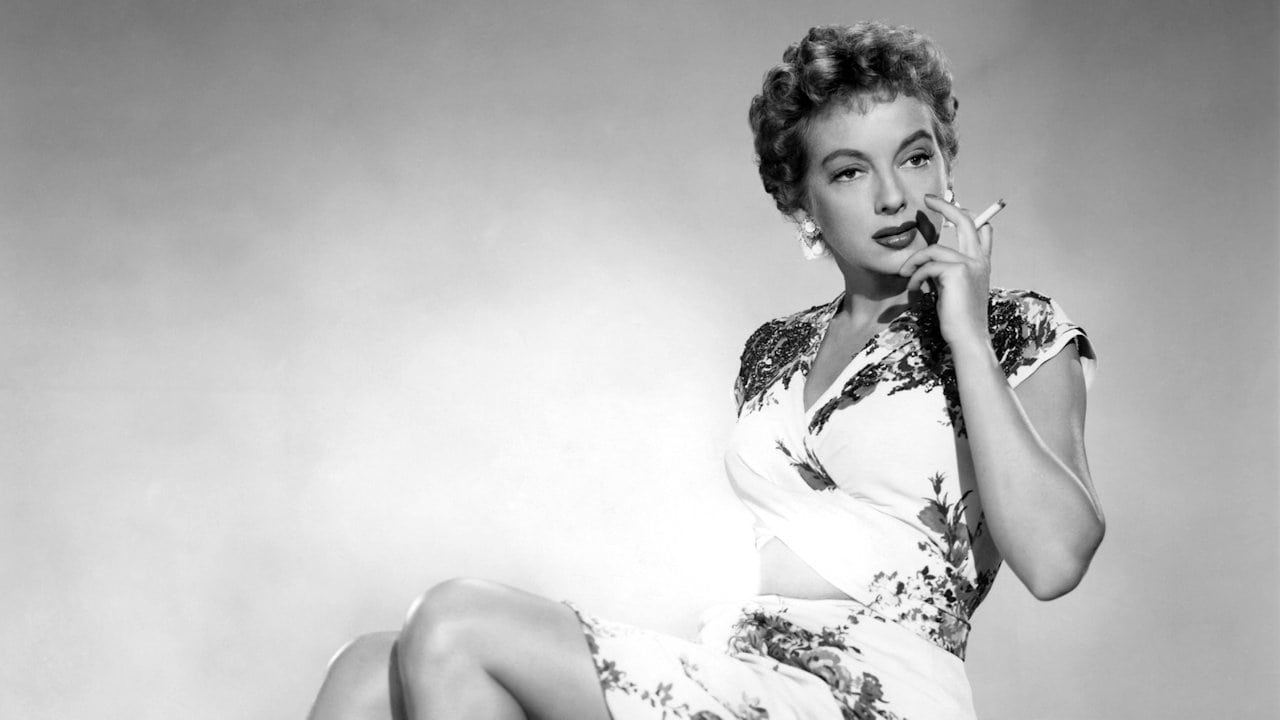
Classic Noir

Hell's Half Acre occupies a modest but genuine position in the Republic Pictures noir catalogue, distinguished primarily by its Honolulu location work and an unusually honest treatment of male self-erasure as moral choice rather than wartime tragedy. Wendell Corey, whose particular gift was for men who know they are compromised and accept it with flat resignation, is well cast as Chester – a figure who is not so much tormented by his deception as exhausted by the effort of sustaining it. Evelyn Keyes brings credibility to a role that could easily have been reduced to victimhood, and Marie Windsor does authoritative work as Rose, a woman whose possessiveness is grounded in genuine investment rather than mere jealousy. Elsa Lanchester's eccentric supporting performance is the film's wildest element and its most memorable. Director John H. Auer keeps the pacing disciplined, and the location footage gives the film a textural authenticity that studio-bound productions of the period rarely achieve. The film reflects its era's preoccupation with identity fragmented by war and reconstituted through crime.

– Classic Noir
3 ★★★☆☆ Notable
Credits

The Crew

DirectorJohn H. Auer
ScreenplaySteve Fisher
CinematographyJohn L. Russell
MusicR. Dale Butts
EditingFred Allen
Performances

The Cast

Close Reading

The Signature Scene

Hell's Half Acre – scene
The Nightclub Confrontation Chester Holds the Frame

The camera settles at mid-distance as Donna and Chester meet inside the club, the frame divided by the bar's architecture so that each occupies a separate vertical plane. John L. Russell lights the interior with a low-key setup that keeps Chester's face partially shadowed even in a populated room – the overhead practicals catch the bottles and the glassware but leave his eyes uncertain. When he speaks, the camera does not cut to close-up immediately; it holds the two-shot long enough for the spatial distance between them to register as emotional fact.

The scene's restraint is its argument. Chester neither confesses nor denies with the urgency of a guilty man; he manages the conversation with the practiced calm of someone who has rehearsed this moment privately for years. The geography of the frame – Donna in the light, Chester at its edge – makes visible the film's central premise: that survival, when it requires the erasure of obligation, produces a man who is present only in silhouette.

Visual Language

The Cinematography

🎞️
John L. Russell – Director of Photography

John L. Russell, who would later do precise and controlled work on Hitchcock's Psycho, shoots Hell's Half Acre with a pragmatic efficiency that serves the film well. Republic's budget kept production close to its practical limits, and Russell makes the location work in Honolulu carry genuine atmospheric weight by shooting exterior sequences with available-light augmentation rather than full studio control, giving the streets and docks a density that backlot construction could not replicate. Interior setups favor low placements and moderate telephoto compression that flatten the space around Chester, reinforcing his entrapment within the world he has built. Shadow work in the nightclub sequences follows classical noir convention – raking side-light, harsh pools from above – but Russell is disciplined enough not to overload the frame. The moral logic of the film, in which deception is a form of slow self-destruction, is carried as much by framing choices as by the screenplay.

In the Catalogue

Themes & Motifs

Availability

Where to Watch

Also in the Directory

See Also