Films People Pull a Fast One Night Beat Reading Room On TV Shop
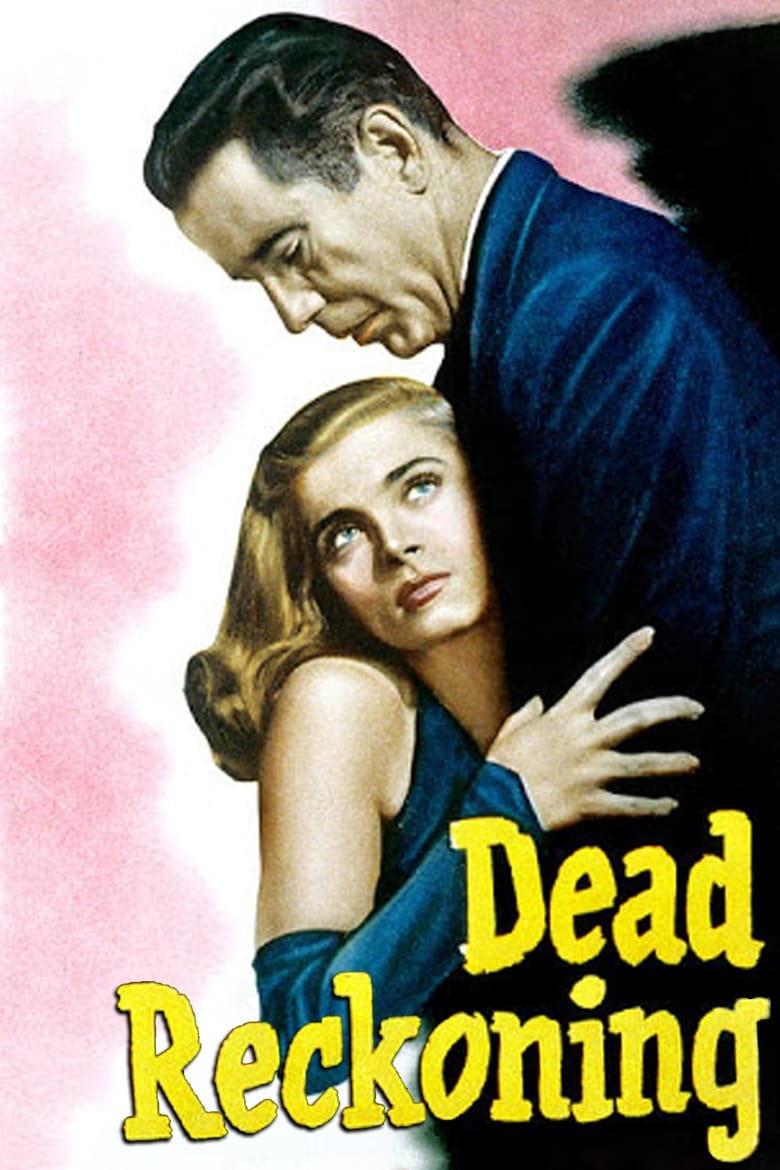
Dead Reckoning 1946
1946 Columbia Pictures
★★★☆☆ Notable
Film Noir · 100 minutes · Black & White

Dead Reckoning

Directed by John Cromwell
Year 1946
Runtime 100 min
Studio Columbia Pictures
TMDB 6.8 / 10
"A soldier comes home to find that loyalty is the first casualty of peace."

Returning from World War II with a chestful of decorations and an uneasy conscience, Army paratrooper Captain 'Rip' Murdock discovers that his fellow sergeant and closest friend, Johnny Drake, has gone absent without explanation just as both men were due to receive the Congressional Medal of Honor in Washington. Murdock, a man who navigates by instinct and refuses to leave a comrade behind, goes looking for Drake and traces him to a Gulf Coast city where the trail ends in murder.

The investigation draws Murdock into the orbit of Coral Chandler, a nightclub singer of uncertain loyalties whose connection to Drake runs deeper than she initially admits. Behind her stands Martinelli, a syndicate boss whose calm exterior conceals a long history of buried crimes. As Murdock presses further, the loyalties of nearly every figure around him shift, and the distinction between ally and adversary becomes increasingly difficult to hold. Coral herself becomes both the object of Murdock's hardening attraction and the central variable he cannot resolve.

Dead Reckoning belongs to the cycle of postwar noirs in which the returning veteran finds civilian life more treacherous than the front. The film works the tension between masculine codes of loyalty forged in wartime and the moral disorder of the home front, using Murdock's first-person narration – delivered in flashback from a confessional booth – to frame the story as a reckoning with what men will do, and endure, for a woman who may never have deserved it.
Classic Noir

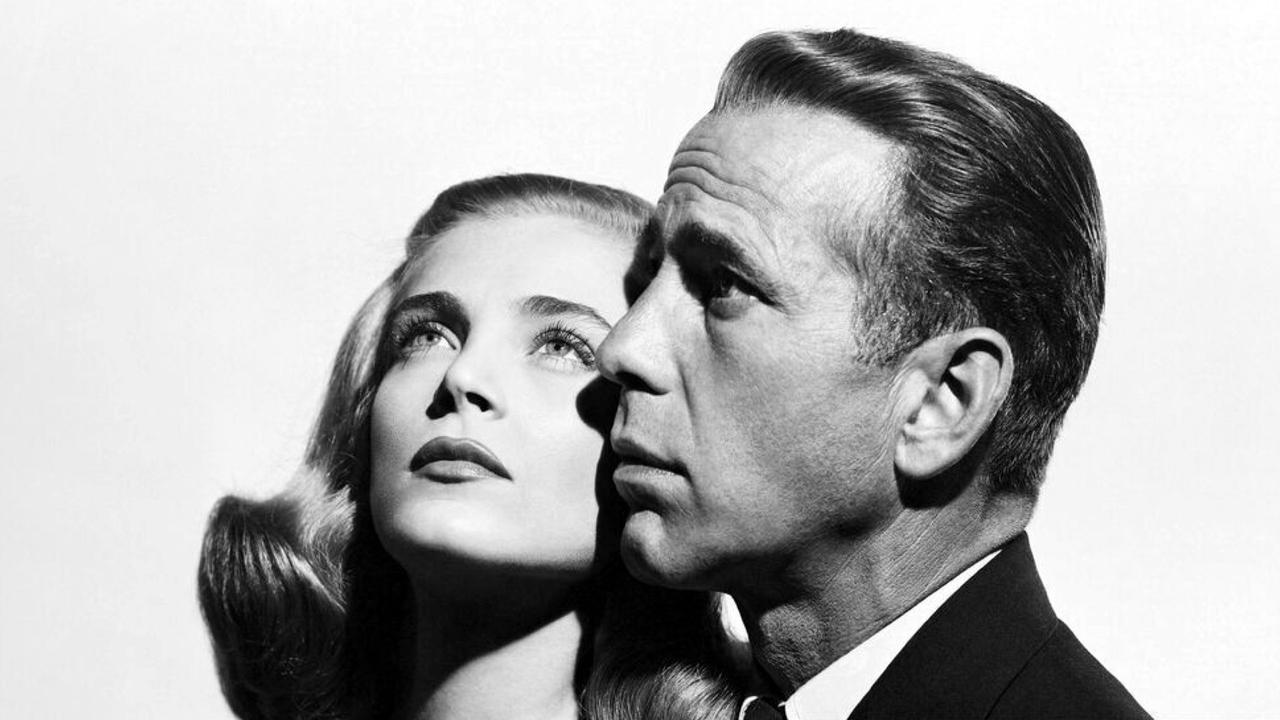
Dead Reckoning arrived in 1946 as Columbia's attempt to capitalize on Humphrey Bogart's post-Casablanca standing, and the film is most productively understood as a document of that transaction rather than a seamless noir achievement. John Cromwell directs with competence rather than distinction, keeping the machinery moving without pressing the material toward the psychological density that the better noirs of the period found. Bogart's performance is characteristic in the best sense – sardonic, compressed, physically convincing – but the script's reliance on flashback narration and a femme fatale who functions more as symbol than character limits how far the film can travel. Lizabeth Scott, cast specifically as a Bacall surrogate, brings an affecting sullenness to Coral but is given too little interiority to fully inhabit the role. What the film achieves is a precise articulation of postwar male anxiety: the soldier returned to a world whose rules he no longer trusts, measuring every relationship by the loyalty codes that kept him alive in combat. That theme carries genuine weight, and it places Dead Reckoning among the notable second-tier noirs whose cultural argument outlasts their formal limitations.

– Classic Noir
3 ★★★☆☆ Notable
Credits

The Crew

DirectorJohn Cromwell
ScreenplaySteve Fisher
CinematographyLeo Tover
MusicMarlin Skiles
EditingGene Havlick
Art DirectionStephen Goosson
CostumesJean Louis
ProducerSidney Biddell
Performances

The Cast

Close Reading

The Signature Scene

Dead Reckoning – scene
The Confession Booth Frame Light Through the Grille

Leo Tover frames the opening confessional sequence with the wooden lattice of the booth cutting vertical bars of shadow across Bogart's face, the only illumination a thin, sourceless light that falls from screen left at a steep angle. The composition is shallow, the space claustrophobic. As Murdock begins his narration, the camera holds a tight two-shot that keeps Father Logan largely in darkness, so that the priest functions less as a character than as an implied listener – a structural device that collapses the distinction between absolution and audience address.

The scene establishes the film's governing moral architecture in a single setup. Murdock is not confessing in the conventional sense; he is explaining, which is a different act, and the distinction is inscribed in the light. He occupies the brighter half of the frame, which in standard noir grammar would signal exposure and guilt, yet here the brightness reads as clarity, even conviction. The confessional frame positions the entire film as a retrospective justification – a man accounting for decisions already made and not, the image implies, fully repented.

Visual Language

The Cinematography

🎞️
Leo Tover – Director of Photography

Leo Tover's work on Dead Reckoning operates within the established Columbia noir house style while making consistent use of deep-shadow interiors built around single, hard-sourced practicals. Tover favors tight pools of key light that isolate faces from their surroundings, leaving supporting players and backgrounds to dissolve into graded darkness rather than occupy defined space. His handling of the nightclub sequences uses low-angle placements and smoke-diffused backlighting to flatten the environment around Coral, reinforcing her status as image rather than person. Tover does not attempt the expressionist geometry of a John Alton or the baroque shadow-play of Gregg Toland; his method is disciplined restriction – withholding visual information to create pressure. The flashback structure is supported by a slight desaturation of tonal range in the present-tense framing scenes, a subtle differentiation that rewards close attention. Throughout, the cinematography serves the script's central proposition: that the past is a place you can describe precisely but never fully illuminate.

In the Catalogue

Themes & Motifs

Availability

Where to Watch

Also in the Directory

See Also