Films People Pull a Fast One Night Beat Reading Room On TV Shop
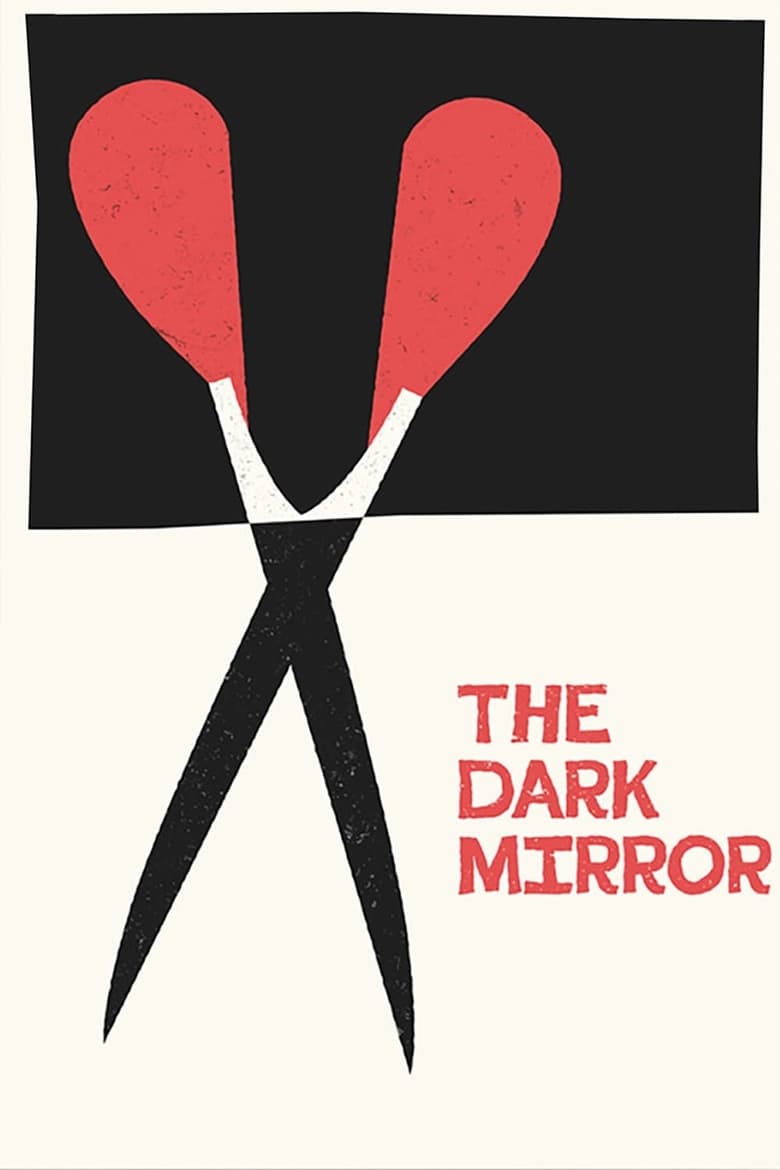
Dark Mirror 1946
1946 International Pictures (I)
★★★☆☆ Notable
Film Noir · 85 minutes · Black & White

Dark Mirror

Directed by Robert Siodmak
Year 1946
Runtime 85 min
Studio International Pictures (I)
TMDB 7.0 / 10
"Two women share a face; only one of them is a killer."

When a respected physician is found murdered in his apartment, Lieutenant Stevenson of the New York homicide division identifies a clear suspect: Terry Collins, a department-store salesgirl who was seen with the victim on the night of his death. The investigation stalls, however, when Terry produces an alibi in the form of her identical twin sister, Ruth. Both women claim innocence, and neither can be placed at the scene with certainty. Stevenson, a methodical and skeptical detective, finds himself at an impasse that conventional police procedure cannot resolve.

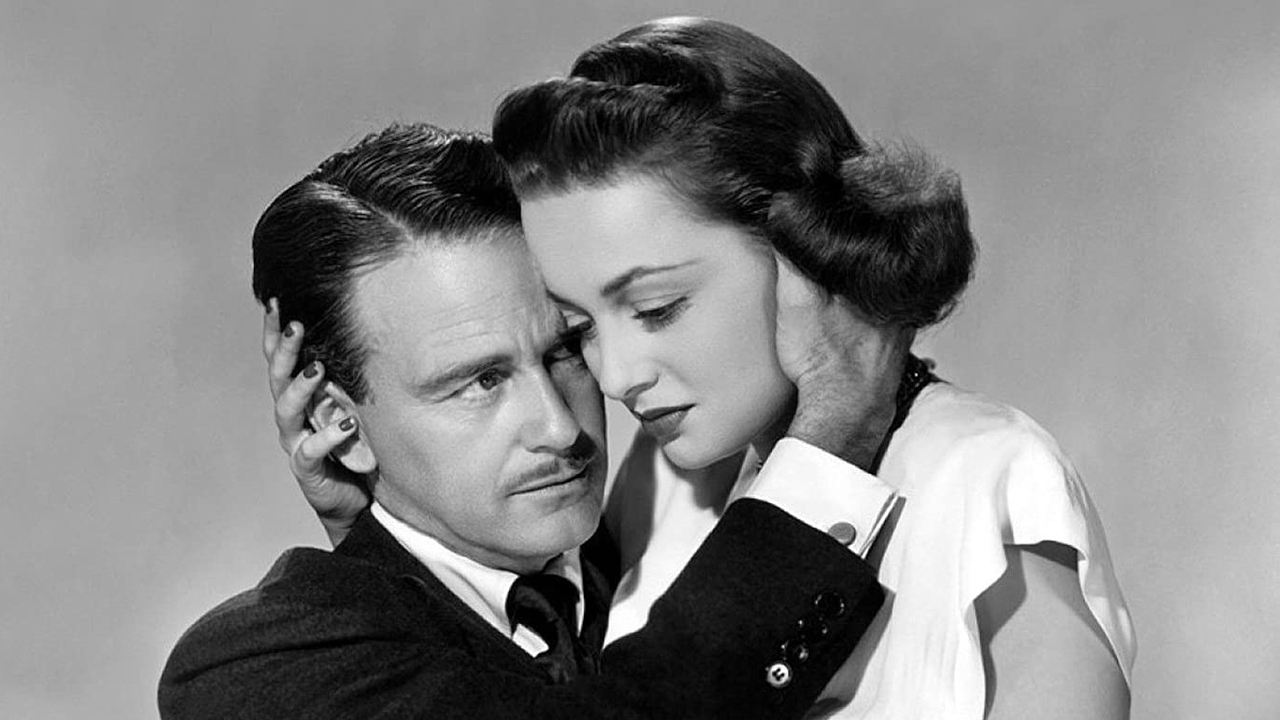
The case passes, in a significant measure, to Dr. Scott Elliott, a research psychologist brought in to administer psychological tests to the twins and determine which of them is capable of homicide. As Elliott spends time with Terry and Ruth, professional distance becomes difficult to sustain. One twin is warm and cooperative; the other is controlling and volatile. Elliott finds himself drawn to Terry, a development that Ruth regards with unconcealed hostility. The psychological examination becomes something closer to a duel, with the doctor unsure whether his own perceptions are being manipulated.

Dark Mirror uses the twin conceit not as a narrative gimmick but as a formal argument: if the face cannot be trusted as evidence of identity or character, then the apparatus of law and psychological science must find another way to read the human interior. The film belongs to the cycle of postwar noirs that imported clinical psychology into crime narratives, testing whether the new sciences of the mind could stabilize a world made uncertain by the war. Siodmak, working from a Nunally Johnson screenplay, keeps the question open long enough to make it genuinely uncomfortable.
Classic Noir

Dark Mirror occupies a specific and telling position within the noir cycle of the mid-1940s: it is one of several productions from that period in which psychoanalytic and psychological discourse enters the detective narrative not as decoration but as method. Robert Siodmak, already demonstrating the controlled visual intelligence he would bring to Phantom Lady and The Killers, treats the twin premise with a sobriety that refuses easy sensation. Olivia de Havilland's performance is the film's central achievement – she differentiates the sisters through economy of gesture and vocal register rather than theatrical contrast, and the result is that the audience is kept genuinely uncertain for most of the running time. Thomas Mitchell's Stevenson functions as an institutional anchor, the procedural world against which the psychological inquiry is measured and found both necessary and insufficient. The film reflects postwar anxiety about legible identity: if two people can share a face, a history, and a social surface, then individuality itself becomes suspect. Dimitri Tiomkin's score underlines this unease without overwhelming it.

– Classic Noir
3 ★★★☆☆ Notable
Credits

The Crew

DirectorRobert Siodmak
ScreenplayNunnally Johnson
CinematographyMilton Krasner
MusicDimitri Tiomkin
EditingErnest J. Nims
CostumesIrene Sharaff
ProducerNunnally Johnson
Performances

The Cast

Close Reading

The Signature Scene

Dark Mirror – scene
The Psychological Test Sequence Mirror Reflects the Verdict

Milton Krasner frames the Rorschach and word-association sessions with a deliberate symmetry: Elliott sits across a desk that bisects the image, and each twin is photographed in matched compositions, the same angle, the same focal length, the same degree of shadow falling across the left side of the face. The repetition is the point. Only incremental shifts in expression – a tightening around the eyes, a fractional delay before a response – separate one frame from the other, and Krasner refuses to editorialize through lighting contrast. Both women are illuminated with almost clinical evenness, which is its own form of unease.

The scene argues that objectivity is a fragile instrument. Elliott approaches the examination with the confidence of a trained clinician, yet the film steadily reveals that his methodology cannot fully outpace his desire. By the time the tests yield their results, the audience has watched him want a particular answer, which puts his professional conclusions under a shadow they never entirely escape. The sequence establishes the film's central tension: the tools of psychological science may name the truth, but the scientist who wields them is not himself transparent.

Visual Language

The Cinematography

🎞️
Milton Krasner – Director of Photography

Milton Krasner's cinematography for Dark Mirror is built on a disciplined restraint that serves the story's epistemological problem. Working almost entirely on studio interiors at International Pictures, Krasner avoids the deep-shadow expressionism that characterizes more overtly stylized noirs of the period. The lighting setups are relatively high-key by genre standards, a choice that is itself a moral statement: these women are visible, fully illuminated, and still unreadable. Where shadow does appear – at the margins of the frame, along stairwells, in the background of Elliott's office – it functions as a reminder that legibility has limits. Krasner uses medium-close compositions throughout the interrogation and test sequences, keeping both twins in a register that is neither intimate enough for trust nor distant enough for objectivity. The camera does not move dramatically; it watches. The film's optical special effects, which place de Havilland in frame with herself, required precise split-screen work, and Krasner ensures the joins are invisible without calling attention to their seamlessness.

In the Catalogue

Themes & Motifs

Availability

Where to Watch

Also in the Directory

See Also