Films People Pull a Fast One Night Beat Reading Room On TV Shop
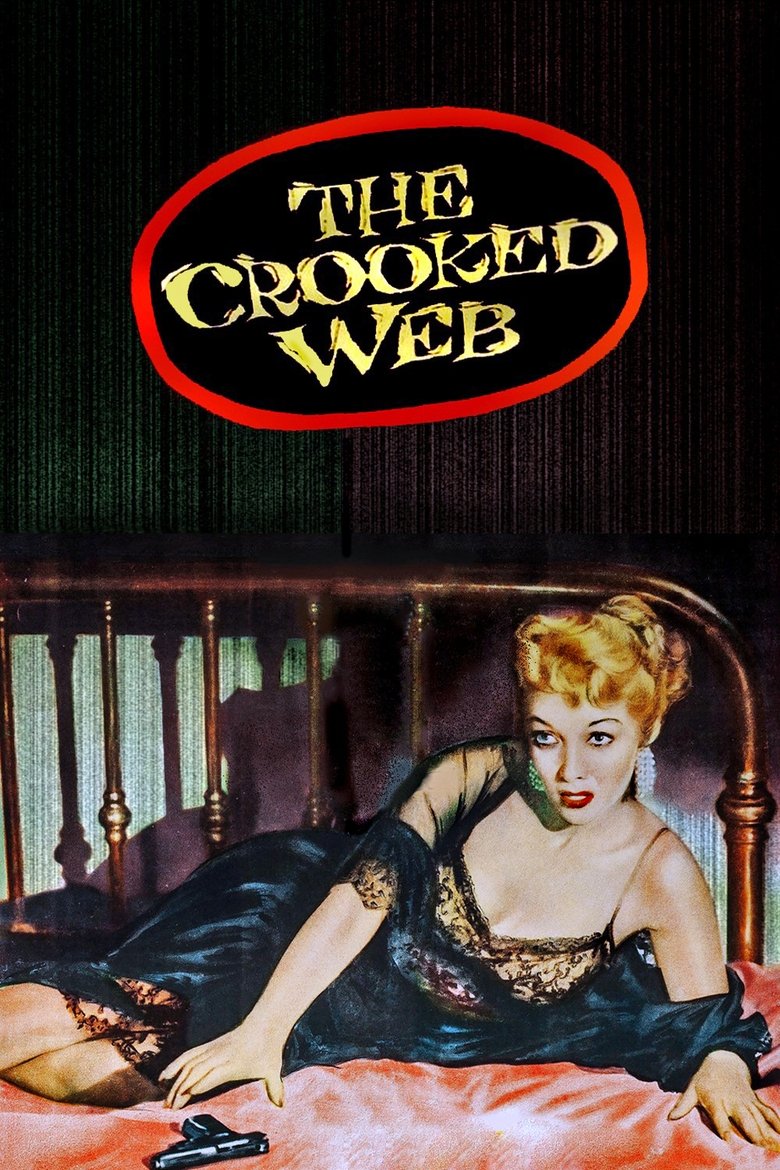
Crooked Web 1955
1955 Clover Productions
★★★☆☆ Notable
Film Noir · 77 minutes · Black & White

Crooked Web

Directed by Nathan Juran
Year 1955
Runtime 77 min
Studio Clover Productions
TMDB 6.0 / 10
"A man buries one secret and finds another waiting beneath it."

Stan Fabian runs a modest drive-in restaurant in Los Angeles, a life built on routine and small ambitions. When his partner Ed surfaces with knowledge of an old wartime killing, Stan finds himself drawn back into a past he has worked years to forget. The dead man was a German officer, the money was real, and the statute of limitations on greed has apparently not expired.

Enter Joanie Daniel and her brother Frank, whose arrival is not coincidental. Joanie is precisely the kind of woman who makes a man recalculate his risks, and Frank has plans that require Stan's cooperation as well as his guilt. The operation pulls the group to postwar West Germany, where former Nazis and black-market operators move through the rubble with practiced ease, and where Herr Koenig holds a particular interest in how the original crime is remembered – and by whom.

Crooked Web belongs to the cycle of mid-decade B-noirs that relocate American crime anxiety into European geography, using the physical wreckage of the war as a moral landscape. The film works as a compact trap narrative: Stan believes he is using the others, the others believe they are using Stan, and the audience is left to measure who is right before the frame closes.
Classic Noir

Crooked Web is a tight, unpretentious entry in Columbia's B-unit output, directed by Nathan Juran with the same functional efficiency he brought to genre programmers across the decade. The film's most purposeful move is its geography: by shifting the action to occupied Germany, it trades the familiar noir cityscape for something colder and more historically weighted. The ruins and checkpoints carry an anxiety that the Los Angeles drive-in opening deliberately withholds, and the contrast is the film's central argument – that American postwar prosperity is a thin surface over wartime culpability. Frank Lovejoy, chronically undervalued in the period, plays Fabian as a man whose competence is itself a form of self-deception; he plans well, reads people accurately, and is still wrong about everything that matters. Mari Blanchard is given more agency than the standard femme role allows, and the script resists the impulse to resolve her character's motives too early. For a 77-minute programmer, Crooked Web sustains its duplicities with real economy.

– Classic Noir
3 ★★★☆☆ Notable
Credits

The Crew

DirectorNathan Juran
ScreenplayLou Breslow
CinematographyHenry Freulich
EditingEdwin H. Bryant
ProducerSam Katzman
Performances

The Cast

Close Reading

The Signature Scene

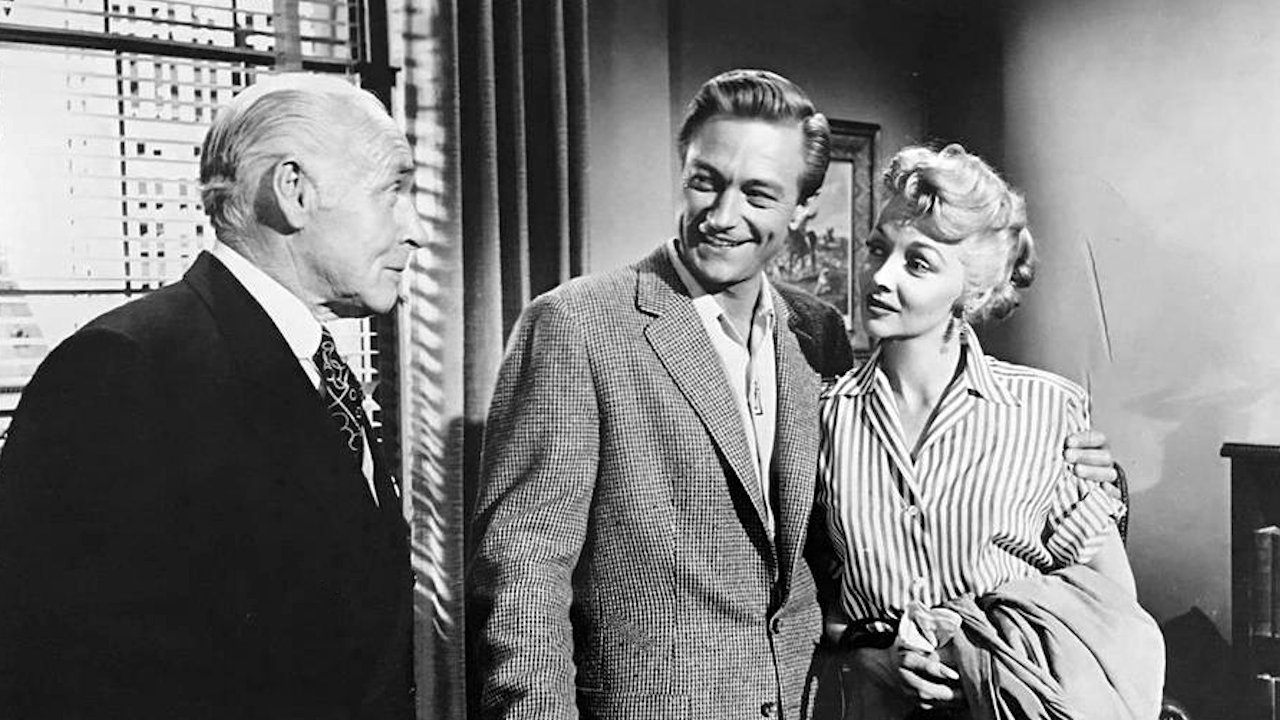
Crooked Web – scene
The Checkpoint Confrontation Documents Examined Under Light

The scene is staged in a narrow zone between two authority figures, the frame compressed by walls on both sides so that exit is visually impossible. Henry Freulich lights the space with a single hard source from above and slightly forward, casting document shadows across the table and cutting the faces into planes of compliance and concealment. The camera holds in medium shot, refusing to cut away to reaction shots that might release tension, forcing the viewer to read the scene as the interrogating officer reads the faces.

What the scene makes plain is that Stan's control of the situation, established and reinforced through the first half of the film, is entirely contingent on other people's choices. He holds the right papers, says the right words, and is still at the mercy of a bureaucratic process he cannot charm or outmaneuver. The scene is the film's moral fulcrum: competence is not the same as safety, and the postwar world has institutions that do not respond to individual cunning.

Visual Language

The Cinematography

🎞️
Henry Freulich – Director of Photography

Henry Freulich, a Columbia contract cinematographer who spent the decade on mid-budget and B productions, shoots Crooked Web with a pragmatist's precision. Working largely on studio-constructed sets designed to suggest postwar German interiors and border zones, Freulich uses low-key lighting with a harder edge than the earlier classical noir period allowed, reflecting the leaner, more documentary-influenced aesthetic that mid-decade crime films were absorbing from the Italian neorealist imports. Shadow work is architectural rather than expressionist: walls become barriers, doorways become threats, and open spaces are treated with suspicion rather than relief. The Los Angeles location footage in the opening reels is shot in flat, observational light that deliberately withholds atmosphere, making the tonal shift to Germany feel earned rather than cosmetic. Freulich does not overwork the frame; his compositions are functional and occasionally severe, and that restraint keeps the film's moral argument from collapsing into style for its own sake.

In the Catalogue

Themes & Motifs

Availability

Where to Watch

Also in the Directory

See Also