Films People Pull a Fast One Night Beat Reading Room On TV Shop
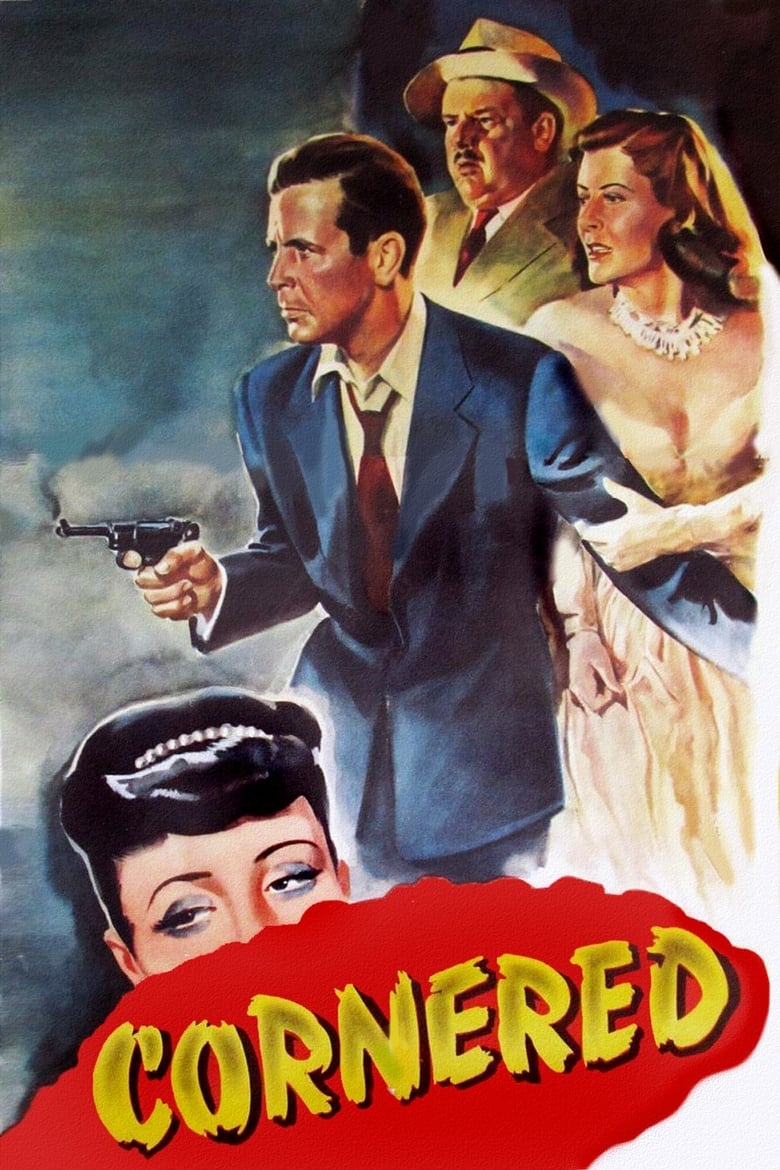
Cornered 1945
1945 RKO Radio Pictures
★★★☆☆ Notable
Film Noir · 62 minutes · Black & White

Cornered

Directed by Edward Dmytryk
Year 1945
Runtime 62 min
Studio RKO Radio Pictures
TMDB 6.2 / 10
"In the badlands, the law wears a badge – but loyalty is a harder thing to read."

Sheriff Tim Laramie rides into a small Western community where a local rancher has been murdered and the evidence points in several directions at once. Laramie is a methodical man, not given to quick conclusions, and he begins working the case alongside his wry, less disciplined deputy Jacklin. Into this uneasy situation comes Jane Herrick, a young woman with her own stake in the outcome and a connection to the dead man that complicates the investigation from the outset.

The principal suspect is Laughing Red Slavens, a volatile figure whose menace is undercut by an unnerving geniality – Noah Beery plays him as a man who laughs because he has learned that laughter unsettles honest people. Moody Pierson and the henchman Slade move at the edges of the frame, their allegiances shifting as Laramie tightens the net. Jane's loyalties are never entirely transparent, and her aunt's protective interference introduces a strand of domestic obstruction that the sheriff must navigate alongside the physical danger.

Cornered operates at the boundary between the Western and the procedural thriller – a transitional form that anticipates the rural noir of later decades. The film's interest lies less in the mechanics of detection than in the atmosphere of mistrust that settles over the landscape, where community ties and criminal enterprise have grown so entangled that the law itself becomes an intrusion.
Classic Noir

Cornered occupies an instructive position in the pre-Code output of Columbia Pictures, arriving at a moment when genre boundaries were permeable and the Western was absorbing the moral ambiguities that would later crystallize into noir proper. B. Reeves Eason, a director more celebrated for second-unit action work than for character study, handles the procedural elements with competence if not distinction – the film moves, and it does not waste its sixty-two minutes. Tim McCoy's performance as Laramie is restrained in a way that reads as genuinely modern: he is not a romantic hero but an instrument of institutional order, and the film is honest about the limits of that role. Noah Beery's Slavens is the more interesting creation, a villain whose surface affability functions as a form of psychological aggression. The pre-Code latitude allows the film a candor about violence and corruption that the Production Code would shortly suppress, and that candor gives the material a density it would otherwise lack.

– Classic Noir
3 ★★★☆☆ Notable
Credits

The Crew

DirectorEdward Dmytryk
ScreenplayJohn Paxton
CinematographyHarry J. Wild
MusicRoy Webb
EditingJoseph Noriega
Art DirectionAlbert S. D'Agostino
CostumesRenié
ProducerAdrian Scott
Performances

The Cast

Close Reading

The Signature Scene

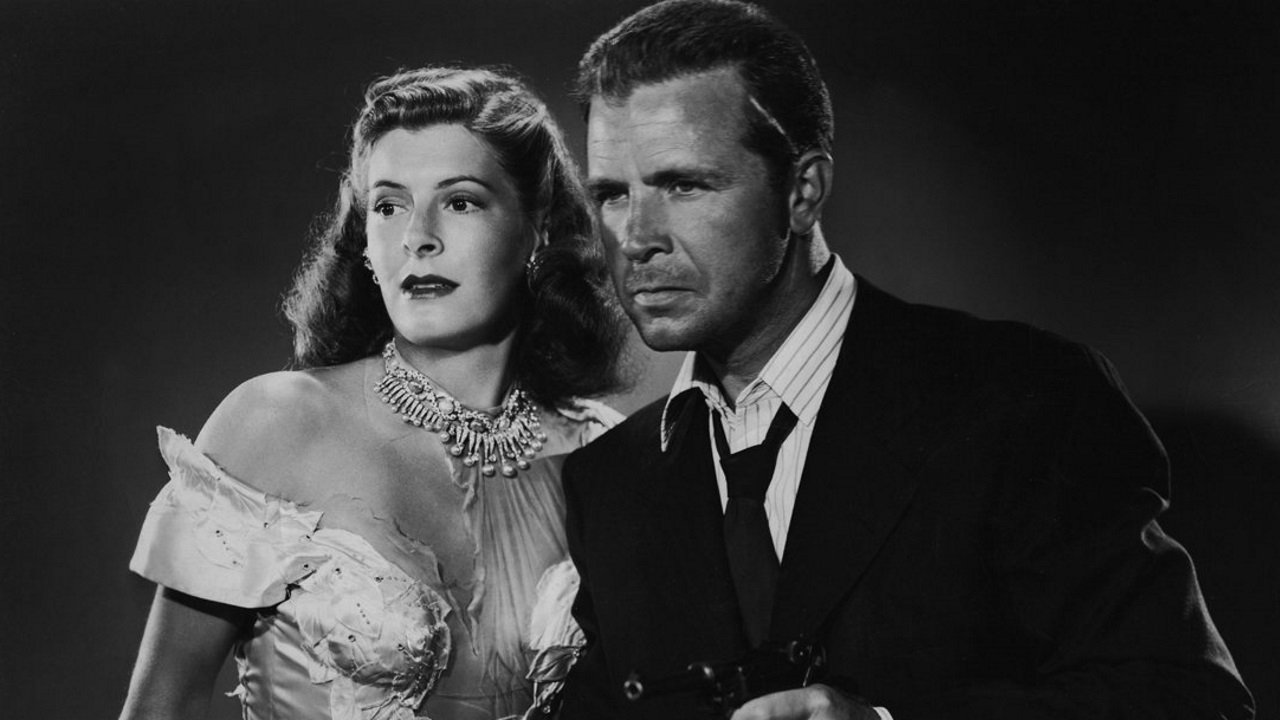
Cornered – scene
The Confrontation in the Outbuilding Laughter in the Dark

The camera holds a medium shot as Slavens is backed into the shadow of a rough-timbered interior, the single light source positioned high and to one side so that his face is split – one half lit with a practical clarity, the other consumed by shadow. John Stumar keeps the frame tight enough that escape seems geometrically impossible; the walls press in from the edges of the composition, and Laramie stands in the doorway, backlit, his silhouette blocking the only exit.

What the scene argues is that the laughter Beery has deployed throughout the film – that reflexive, social laughter – is here stripped of its defensive function. Cornered in the literal sense, Slavens laughs again, but the camera's proximity exposes it as involuntary, a nervous tic rather than a performance of power. It is the film's clearest statement: that the criminal self, when the architecture of evasion collapses, reverts to its most naked form.

Visual Language

The Cinematography

🎞️
Harry J. Wild – Director of Photography

Cinematographer John Stumar works within the constraints of early-sound Columbia production – studio-bound interiors, limited location work, the still-cumbersome apparatus of synchronized recording – and finds within those constraints a visual approach suited to the story's atmosphere of enclosure. His lighting on the interior sequences favors hard, directional sources that carve deep shadows without the expressionist excess that would later become a noir signature; the effect is less stylized than functional, producing a world that looks plausible but feels morally compressed. Exterior sequences are shot with a flatter, more documentary light that makes the landscape feel indifferent rather than threatening – a useful contrast to the claustrophobia of the interiors. Stumar's lens choices favor moderate focal lengths that keep depth legible, ensuring that the physical relationships between characters register clearly in a film whose plot depends on the reader understanding who controls which space at any given moment.

In the Catalogue

Themes & Motifs

Availability

Where to Watch

Also in the Directory

See Also