Films People Pull a Fast One Night Beat Reading Room On TV Shop
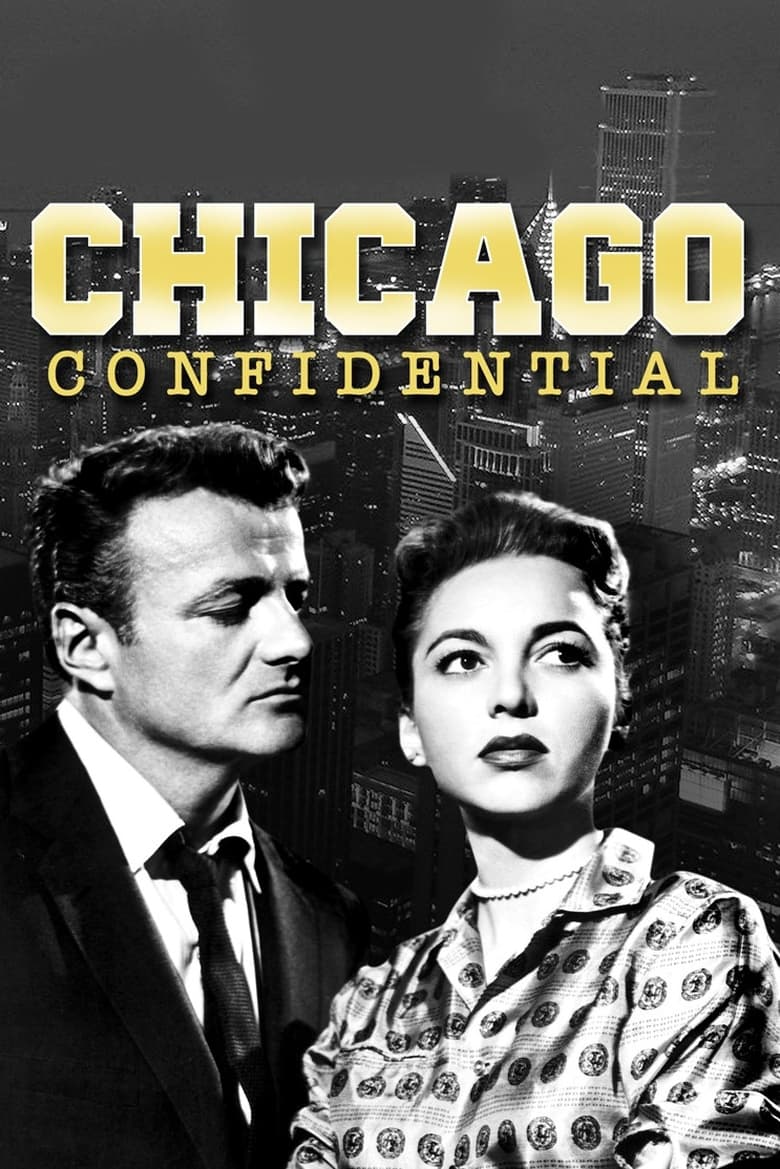
Chicago Confidential 1957
1957 Robert E. Kent Productions
★★★☆☆ Notable
Film Noir · 75 minutes · Black & White

Chicago Confidential

Directed by Sidney Salkow
Year 1957
Runtime 75 min
Studio Robert E. Kent Productions
TMDB 5.0 / 10
"In Chicago, the syndicate owns the union, and the truth costs more than a man can pay."

Jim Fremont, a determined state's attorney, sets his sights on dismantling the criminal syndicate that has quietly absorbed Chicago's labor unions. When the honest union leader Artie Blaine is framed for murder – a killing engineered by the organization's uppermost tiers – Fremont finds himself fighting not only entrenched corruption but a judicial system already compromised by syndicate money. Laura Barton, a woman with ties to both Blaine and the underworld, becomes a reluctant witness whose testimony could unravel the frame.

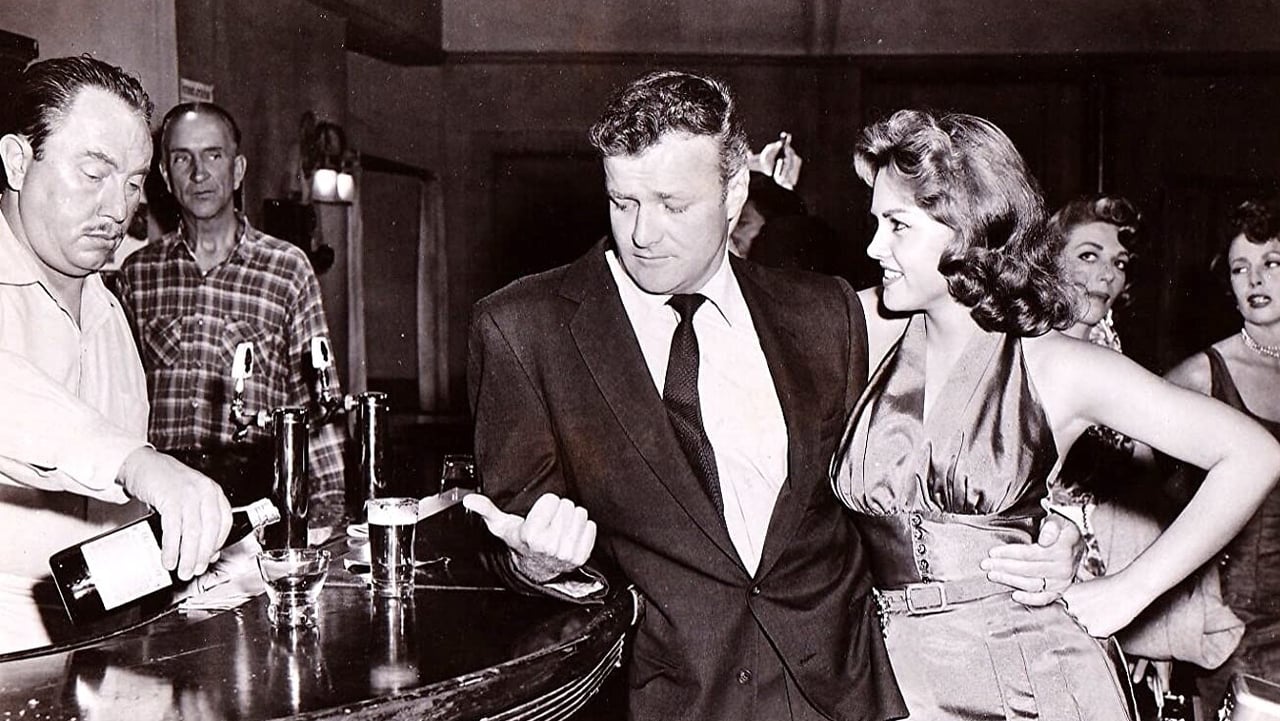
The syndicate's operatives, among them the nervous, talkative Candymouth Duggan and the calculating Ken Harrison, work to silence anyone who might corroborate Fremont's case. Allegiances shift as it becomes clear that the corruption extends further into civic life than even Fremont had suspected. The line between political ambition and genuine justice blurs, and Laura's loyalties are tested at every turn, placing her in direct danger as the trial approaches.

Chicago Confidential operates in the tradition of the procedural noir, where individual moral courage is pitted against institutional rot. The film's interest lies less in suspense about guilt than in the mechanics by which truth is suppressed and the personal cost extracted from those who refuse to look away.
Classic Noir

Chicago Confidential belongs to a recognizable cycle of mid-1950s semi-documentary crime films that took their cues from the Kefauver Committee hearings and the public appetite for exposés of syndicate infiltration into American civic life. Sidney Salkow works within the constraints of a modest budget and a seventy-five-minute runtime with reasonable efficiency, and Brian Keith brings a convincing solidity to Fremont – a man whose moral clarity is never quite as simple as it appears. The film's real value lies in what it captures about the period's anxieties: the sense that postwar prosperity had been quietly colonized by organized crime, and that the institutions meant to resist it were already partially owned. Elisha Cook Jr., in his habitual role as the weak man in a corner, delivers the film's most psychologically precise performance. The screenplay does not fully exploit its own structural irony – the frame-up plot – but as a document of how Hollywood processed organized crime in the Eisenhower years, the film merits serious attention.

– Classic Noir
3 ★★★☆☆ Notable
Credits

The Crew

DirectorSidney Salkow
ScreenplayBernard Gordon
CinematographyKenneth Peach
MusicEmil Newman
EditingGrant Whytock
Art DirectionAlbert S. D'Agostino
ProducerRobert E. Kent
Performances

The Cast

Close Reading

The Signature Scene

Chicago Confidential – scene
The Courtroom Corridor Candymouth Breaks Under Light

Kenneth Peach positions the camera at a low angle in a narrow institutional corridor, the overhead practicals casting hard pools of light on the linoleum floor while the upper frame recedes into shadow. Candymouth Duggan is bracketed between two walls, the composition offering him no lateral exit. Peach holds the shot without cutting, letting the architectural geometry do the work of confinement that dialogue alone could not sustain.

The scene crystallizes the film's central argument about the informant as a figure caught between two equally lethal forms of loyalty. Duggan's visible physical agitation – the hands working, the eyes never settling – communicates that betraying the syndicate and staying silent are both fatal options. His choice, when it comes, feels less like courage than a calculation that one death is marginally preferable to another.

Visual Language

The Cinematography

🎞️
Kenneth Peach – Director of Photography

Kenneth Peach, who spent much of his career in television before and after this assignment, brings a functional economy to Chicago Confidential that suits the material without attempting to transcend it. Working primarily on studio sets dressed to suggest Chicago's institutional interiors – courtrooms, union halls, back offices – Peach relies on high-contrast lighting setups that keep syndicate figures in half-shadow even in ostensibly public spaces. The effect is ideological as much as atmospheric: corruption is literally built into the environment's light. For the few location inserts, Peach uses a slightly wider lens that gives the street footage a documentary grain, creating a deliberate visual contrast with the more controlled studio compositions. Shadow work in the corridor and office scenes is precise if unflamboyant, and Peach resists the temptation to over-express with Dutch angles, reserving compositional instability for moments of genuine psychological pressure. The cinematography serves the film's procedural moral logic: clarity is earned, and darkness is institutional.

In the Catalogue

Themes & Motifs

Availability

Where to Watch

Also in the Directory

See Also