Films People Pull a Fast One Night Beat Reading Room On TV Shop
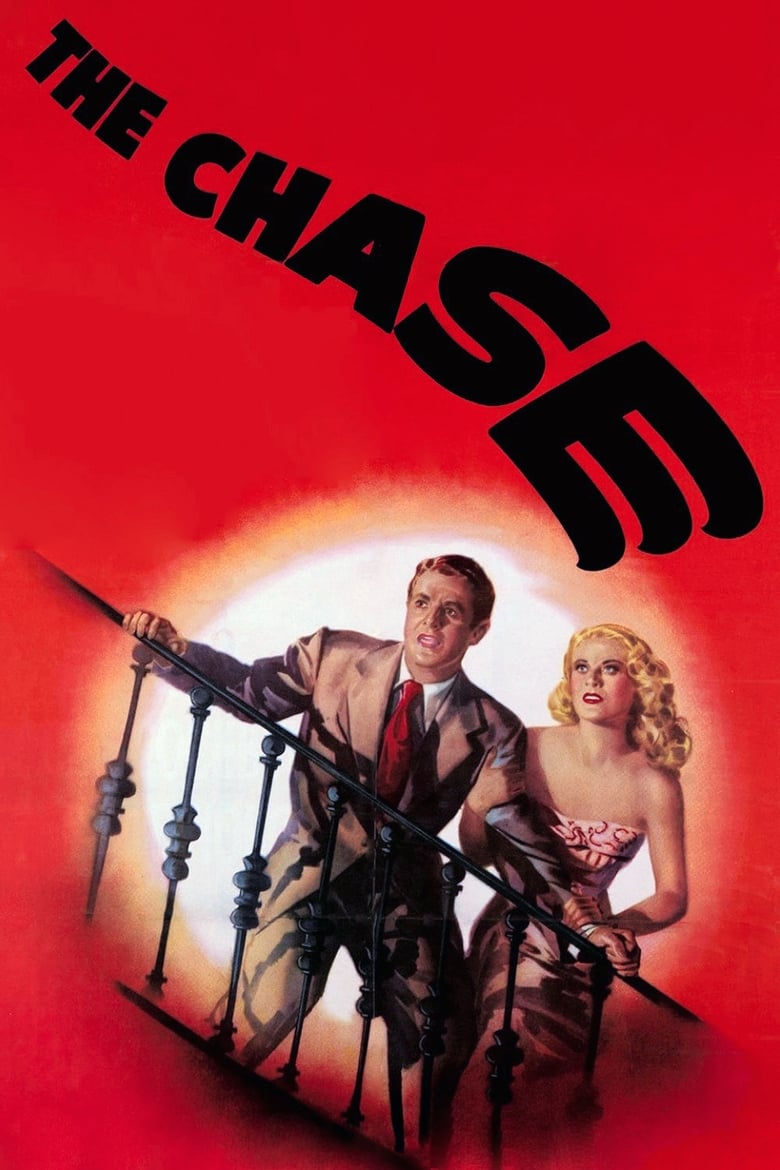
Chase 1946
1946 Nero Films
★★★☆☆ Notable
Film Noir · 86 minutes · Black & White

Chase

Directed by Arthur Ripley
Year 1946
Runtime 86 min
Studio Nero Films
TMDB 6.3 / 10
"In postwar Poland, a fugitive runs – and the law is not the only thing in pursuit."

In the unsettled landscape of postwar Poland, a man named Michalak – wanted by authorities and moving through the margins of a country still finding its footing – forces those around him into impossible positions. Bronka, a young woman with her own claims on survival, becomes entangled in his flight, while Zosia, closer to the machinery of order, watches the situation tighten. Stefan, caught between loyalty and self-preservation, registers the pressure that such a chase places on ordinary people.

As Michalak's pursuit extends across terrain that oscillates between rural isolation and the fractured infrastructure of a reconstructed society, allegiances shift in ways that reveal less about criminality than about the compromises ordinary life demands. Muchaj and Lieutenant Kłos represent institutional force, yet the film refuses to render either side of the pursuit entirely clean. The figure of Equerry Orda-Stefański vel Kucharski – a man who carries two names – introduces a note of deliberate instability into any assumption about identity and accountability.

Chase belongs to a body of Polish genre filmmaking that drew on the conventions of the pursuit thriller while working within the ideological and material constraints of the early socialist period. It observes guilt, concealment, and the relationship between the individual and the state with a tension that the genre form barely contains, and that friction between formula and circumstance gives the film a pressure that outlasts its immediate context.
Classic Noir

Chase arrives in 1954 at a productive tension point in Polish cinema: the institutional pressures of socialist realism were not yet loosened, yet the crime and pursuit film offered a framework through which filmmakers could work with shadow, moral ambiguity, and psychological interiority in ways that straight social drama did not easily permit. Urbanowicz does not subvert the genre so much as use it honestly – the chase is real, the stakes are concrete, and the resolution does not dissolve the questions it has accumulated. What the film reveals about its era is the degree to which a society still reorganizing around collective identity produced individuals whose interior lives were irresolvable by ideology alone. Barbara Marszel's Bronka and Stanisław Zaczyk's Stefan carry that irresolution in their performances – reactive, watchful, unable to be fully located on either side of the film's moral arithmetic. For genre scholars, Chase is a useful document of how noir conventions traveled and were adapted under political constraints that Hollywood, for all its Production Code difficulties, never faced in quite the same form.

– Classic Noir
3 ★★★☆☆ Notable
Credits

The Crew

DirectorArthur Ripley
ScreenplayPhilip Yordan
CinematographyFranz Planer
MusicMichel Michelet
EditingEdward Mann
Art DirectionRobert Usher
CostumesPeter Tuesday
ProducerSeymour Nebenzal
Performances

The Cast

Close Reading

The Signature Scene

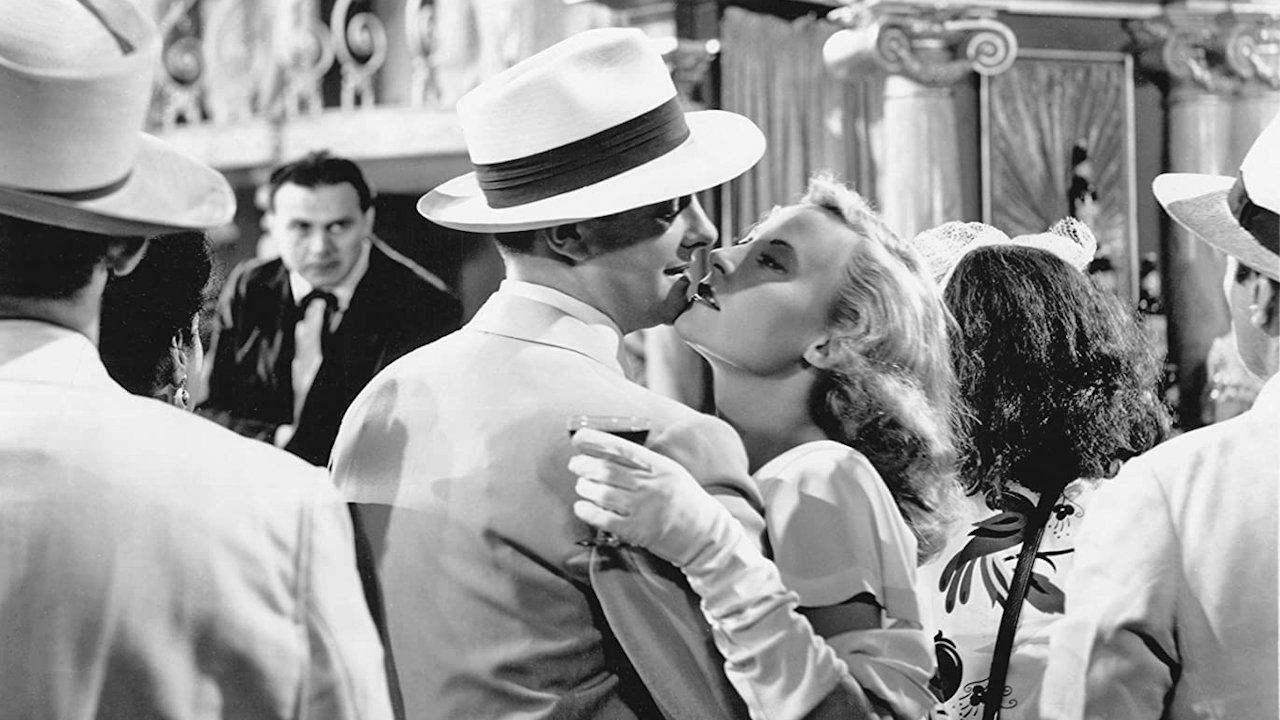
Chase – scene
The Open Road at Night Headlights Against Empty Ground

Forbert holds the camera low and wide, the road surface occupying the lower third of the frame while darkness fills everything above. A vehicle's headlights enter from the left edge and traverse the shot without arriving anywhere the frame acknowledges as a destination. The light does not illuminate so much as isolate – a cone of visibility that makes the surrounding dark more absolute, the road's vanishing point suggesting distance as threat rather than possibility.

The scene concentrates the film's central argument: flight is not freedom, and visibility in an exposed landscape is itself a form of exposure. The fugitive and the pursuer share the same condition here – both are moving through a country whose geography offers no shelter, and the headlights become less a tool of search than an emblem of a system that has already seen everything it needs to see.

Visual Language

The Cinematography

🎞️
Franz Planer – Director of Photography

Adolf Forbert's work on Chase demonstrates a disciplined adaptation of noir lighting grammar to location shooting in the Polish countryside and provincial built environment. Where Hollywood noir typically constructed its shadows on controlled studio sets, Forbert works with available architecture and natural darkness, using hard sources – positioned lamps, vehicle lights, single practical fixtures – to carve faces out of interiors that feel genuinely inhabited rather than designed. His lens choices favor middle focal lengths that keep figures in readable relation to their environments, resisting the distortion that might aestheticize the material and instead allowing the moral logic of exposure and concealment to emerge from composition rather than effect. Shadow work in the interrogation and domestic sequences is lateral and specific: it falls in ways that divide the frame between the observed and the unobserved, between those who hold information and those who need it. The cumulative result is a visual language that serves the story's argument about a society in which being seen carries consequences no individual fully controls.

In the Catalogue

Themes & Motifs

Availability

Where to Watch

Also in the Directory

See Also