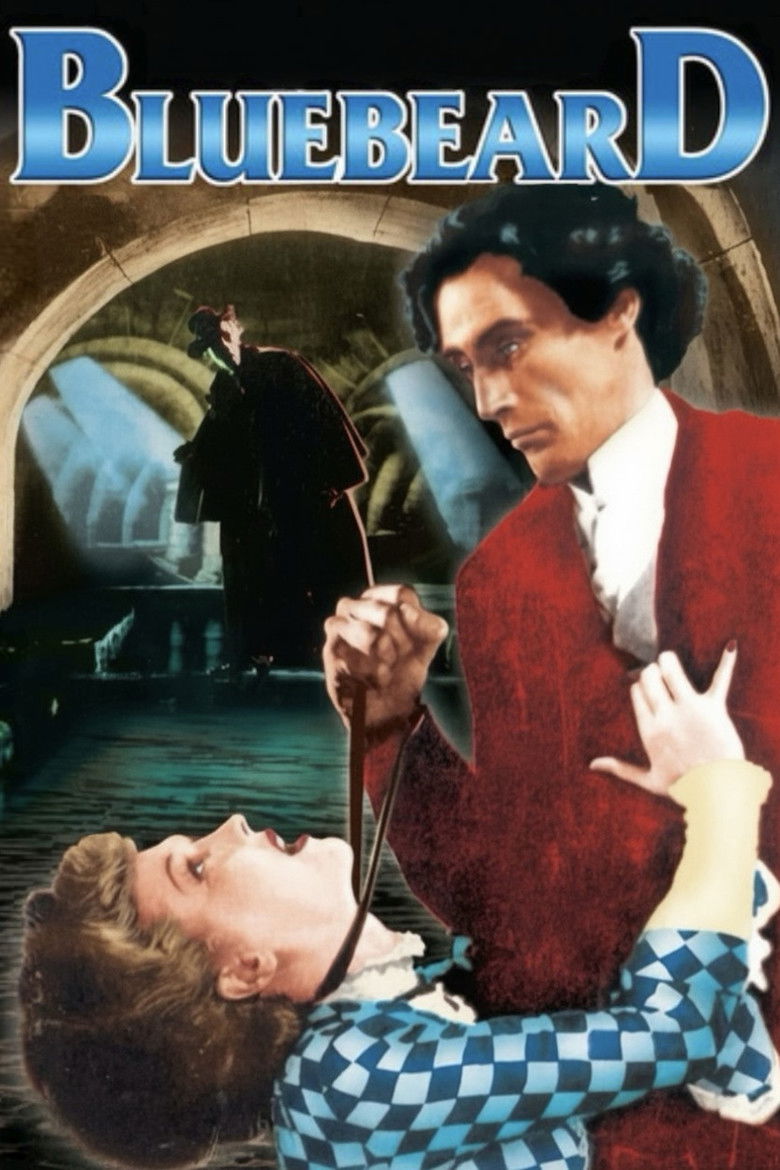
Paris, the First World War era. Henri Désiré Landru – mild-mannered, meticulous, balding – places matrimonial advertisements in the newspapers and receives replies from lonely widows and spinsters. He is attentive, persuasive, and utterly without sentiment. Claude Chabrol's film follows Landru through a series of courtships, each woman believing herself on the threshold of a new life, each one stepping willingly into an arrangement that serves only one party. Charles Denner plays the man with a bureaucrat's precision, betraying nothing.
The film moves across the several women who enter Landru's orbit – among them the dignified Mme Buisson, played by Michèle Morgan; the more calculating Mme Héon of Danielle Darrieux; and Fernande Segret, played by Stéphane Audran, who comes closest to occupying a genuine place in Landru's affections. Yet affection, in Chabrol's reading, is simply another instrument of control. The domestic spaces Landru inhabits – rented villas, provincial gardens, a country house with a stove that smokes – accumulate as evidence, though the film refuses to stage the crimes directly. What disappears, disappears offscreen.
Chabrol frames the Landru case not as a horror story but as a social autopsy. The women are not fools; they are women whose circumstances – poverty, widowhood, wartime dislocation – have left them with limited choices. The film belongs to a strain of European noir that locates criminal behavior inside the institutions of bourgeois life rather than against them. Its cool, ironic distance from its subject places it alongside Chabrol's broader body of work while remaining legible as a meditation on predation, complicity, and the domestic as crime scene.
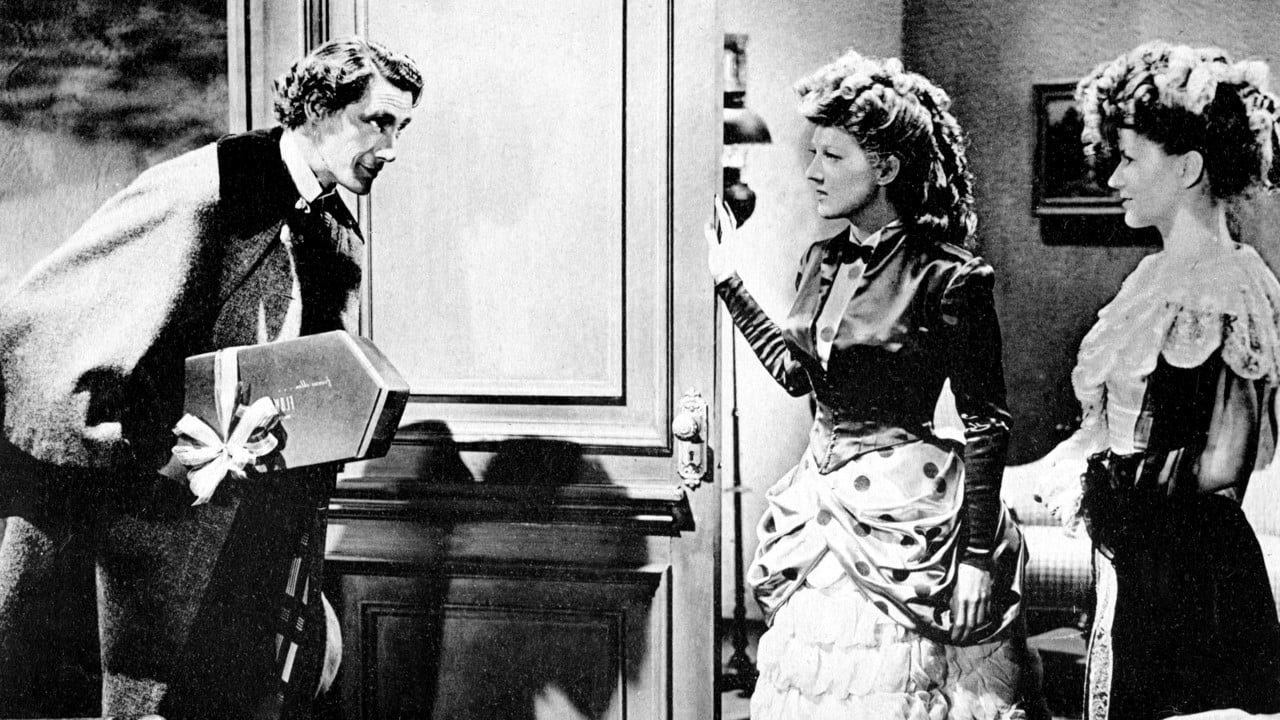
Chabrol arrived at the Landru story – the real French serial killer executed in 1922 – by way of a script originally developed by Charlie Chaplin, and the film retains a mordant comic undertow that complicates any straightforward genre placement. This is not thriller filmmaking in the Hitchcockian register Chabrol was often measured against; it is something cooler and more anthropological. Charles Denner's performance refuses charisma in the conventional sense, offering instead a portrait of organized appetite. The film's central argument – that bourgeois courtship rituals and predatory murder share a common grammar of deception – is carried in the mise-en-scène rather than stated. Chabrol treats the provincial interiors with the same clinical attention he brings to Landru's ledgers, making domestic comfort and domestic danger interchangeable. Released in 1963, the film anticipates the directorial path Chabrol would take through the following decade, cementing his position as the French New Wave figure most committed to the systematic critique of bourgeois morality through genre form.
– Classic Noir
Chabrol holds the exterior of the country villa in a flat, even light that refuses atmosphere. The camera does not move toward the house; it waits. A thin thread of smoke rises from the chimney stack – Jean Rabier's framing places it in the upper third of the image against a pale, noncommittal sky. There is no score at this moment, no punctuation. The shot is composed as a document rather than a drama.
The scene encapsulates the film's governing method: what cannot be shown is made legible through inference and spatial withholding. Landru is not present in the frame, which is precisely the point. The smoke stands for an act the film will never depict, and Chabrol's refusal to dramatize it – to grant it the weight of spectacle – becomes the film's most damning moral gesture. The house simply continues to exist, ordinary and incriminating.
Cinematographer Jean Rabier, Chabrol's long-term collaborator, shoots Bluebeard with a deliberate flatness that works against the period setting. Rather than using the Belle Époque milieu as an invitation for pictorial warmth, Rabier applies a cool, even illumination to the domestic interiors – diffused light sources, modest shadow gradation – that strips the spaces of nostalgia and renders them forensic. Location shooting in provincial France grounds the villa sequences in a mundane geography that studio construction could not have provided. Rabier's lens choices favor mid-range focal lengths that keep the viewer at an observational distance, resisting the intimacy that would allow Landru to become sympathetic or sensational. Shadow work is used sparingly and pointedly: the moments of relative darkness are not atmospheric concealment but structural emphasis, falling where the film's argument requires. The overall visual strategy serves Chabrol's moral logic directly – a world that looks ordinary is the precondition for the crimes it contains.
MUBI periodically features Chabrol titles in curated retrospectives and is the most likely streaming home for this film in a subtitled print; availability rotates, so confirm before seeking.
Criterion ChannelSubscriptionThe Criterion Channel has carried Chabrol retrospectives and remains the most reliable source for context-rich presentation of his work, though this specific title should be verified for current availability.
Archive.orgFreePublic domain or freely uploaded prints occasionally surface here; transfer quality is variable and this should be treated as a fallback option.