Films People Pull a Fast One Night Beat Reading Room On TV Shop
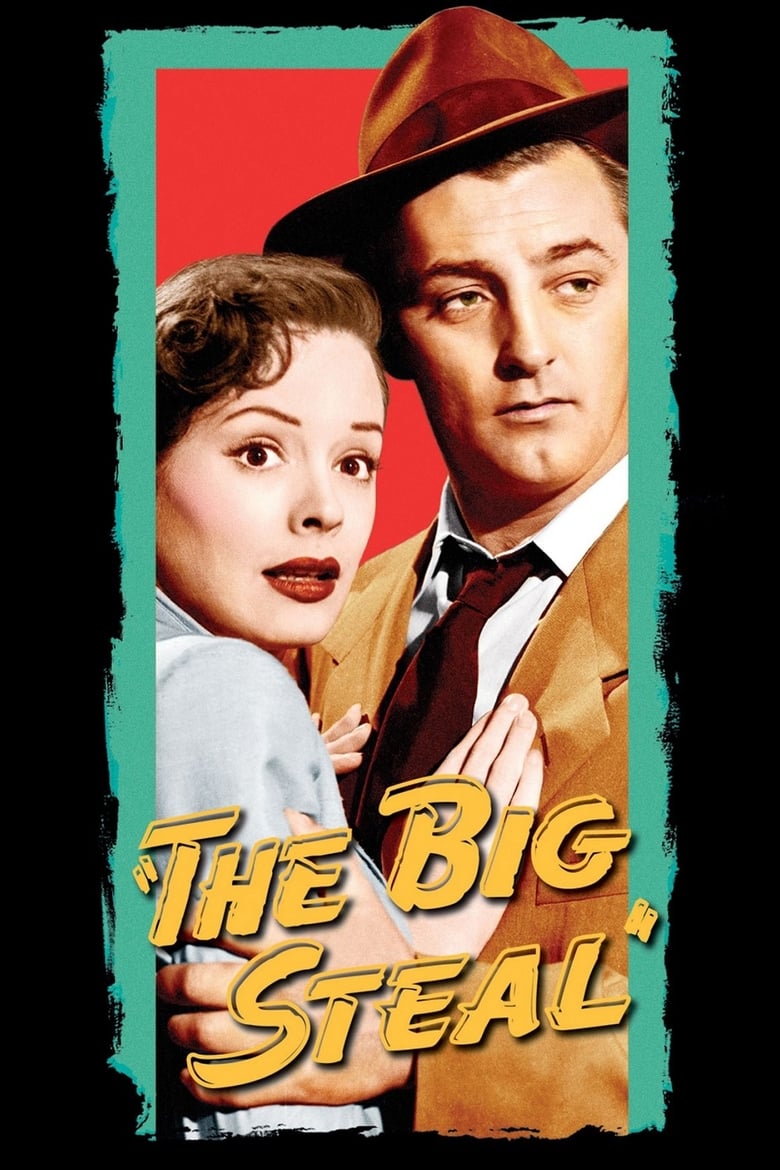
Big Steal 1949
1949 RKO Radio Pictures
★★★☆☆ Notable
Film Noir · 71 minutes · Black & White

Big Steal

Directed by Don Siegel
Year 1949
Runtime 71 min
Studio RKO Radio Pictures
TMDB 6.6 / 10
"A stolen payroll, a wrong man running, and Mexico swallowing them both."

U.S. Army Lieutenant Duke Halliday arrives in Veracruz with one purpose: find Captain Vincent Blake, the man who framed him for the theft of a $300,000 military payroll and left him to face the charges alone. Before Halliday can close the distance, he crosses paths with Joan Graham, a sharp-eyed American woman who is herself pursuing Blake – the man who also swindled her. Two strangers with competing grievances and a shared quarry, they strike an uneasy alliance and head south through the Mexican interior, each suspicious of the other's full story.

Blake, meanwhile, is not simply fleeing. He is moving toward a handoff, trying to deliver the stolen funds to a shadowy civilian operator named Jim Fiske before either Halliday or the Mexican authorities can close the trap. The pursuit becomes a relay race through small towns and mountain roads, complicated by Inspector General Ortega, a courtly but tenacious Mexican officer who is running his own investigation and refuses to be a prop in anyone else's drama. Allegiances shift with each stop; what looked like a clean chase gradually reveals the messier geometry of greed.

The Big Steal belongs to the lighter register of postwar noir – less a study in doom than a chase picture with knowing wit and genuine location texture. It uses Mexico not as exotic backdrop but as a space where American certainties dissolve and the usual moral accounting becomes harder to enforce. The film's momentum never quite resolves into the suffocating fatalism of classic noir, but its pleasures are real, and its portrait of two people negotiating trust under pressure carries unexpected weight.
Classic Noir

The Big Steal arrived at an awkward biographical moment: Robert Mitchum had been released from a narcotics arrest just weeks before production wrapped, and RKO – which had shelved the picture – chose to recut and release it quickly, trading on the publicity. The film that emerged is a minor but coherent work, more indebted to the road-comedy thriller than to the shadowed fatalism of Out of the Past, the film that paired Mitchum and Jane Greer one year earlier. Don Siegel directs with the disciplined economy he would sustain throughout his career, squeezing tension from geography rather than atmosphere. What distinguishes The Big Steal within the noir cycle is its willingness to let the two leads be genuinely amusing together – a tonal risk that the genre rarely permits. Mitchum's habitual stillness reads here as suppressed irony rather than menace, and Greer matches him with a skepticism that keeps sentiment at arm's length. The film does not aspire to darkness; it aspires to efficiency, and it achieves it.

– Classic Noir
3 ★★★☆☆ Notable
Credits

The Crew

DirectorDon Siegel
ScreenplayDaniel Mainwaring
CinematographyHarry J. Wild
MusicLeigh Harline
EditingSamuel E. Beetley
Art DirectionRalph Berger
CostumesEdward Stevenson
ProducerJack J. Gross
Performances

The Cast

Close Reading

The Signature Scene

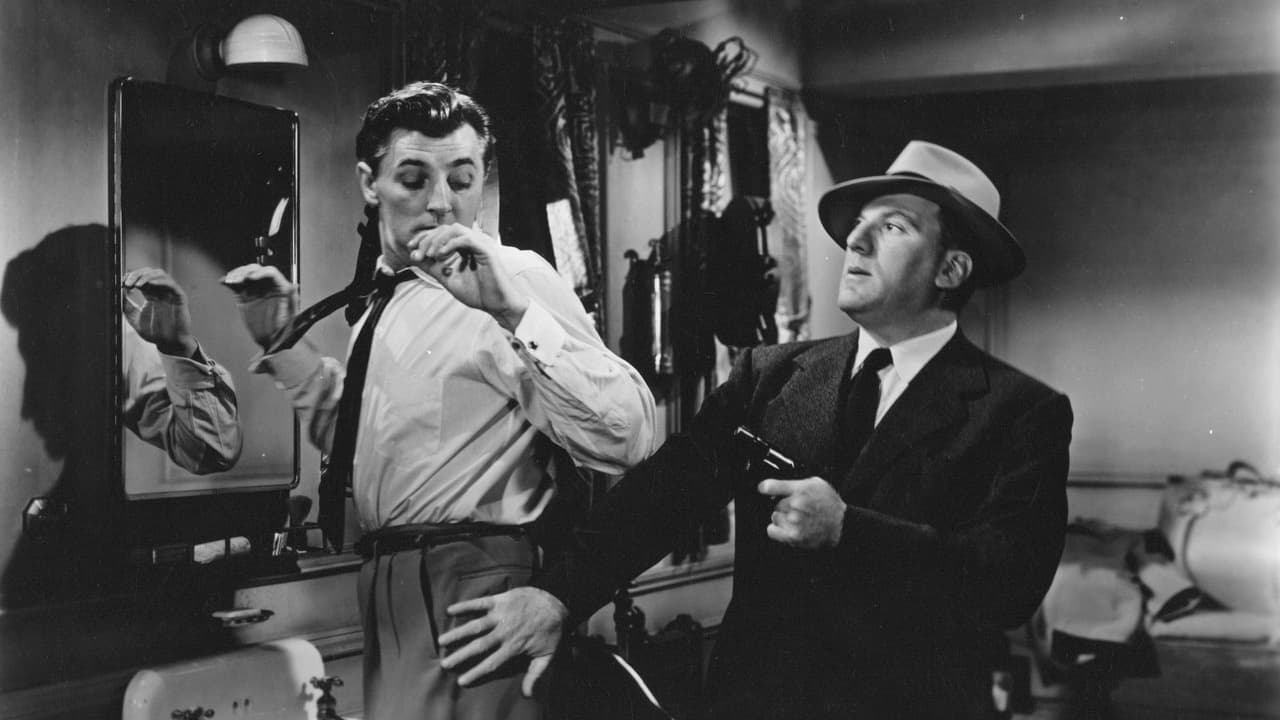
Big Steal – scene
The Mountain Road Chase Dust Rising Behind Them

Harry J. Wild shoots the extended road pursuit on actual Mexican terrain, and the camera makes full use of the exposed landscape – dust columns visible from a distance, vehicles reduced to small shapes against pale hillsides before cutting to tight two-shots inside the cab. There is no shadow architecture here, no low-key chiaroscuro; Wild works in hard midday light that flattens hiding places and leaves everyone equally exposed. The editing rhythm alternates between the wide, almost documentary geography of the pursuit and the cramped interior logic of Halliday and Joan's running argument, the two scales working against each other to sustain pressure.

The scene argues that in this film, danger is not a matter of darkness but of proximity and speed. There is nowhere to conceal moral ambiguity when the landscape offers no cover. Halliday and Joan cannot perform mistrust in the open air – they have to negotiate it in real time, and Wild's insistence on location clarity rather than studio shadow forces the actors to carry the film's tension on their faces rather than in the lighting. It is a practical choice that also functions as a statement about the kind of noir this is: one where duplicity cannot survive the daylight.

Visual Language

The Cinematography

🎞️
Harry J. Wild – Director of Photography

Harry J. Wild had shot Cornered and Lady in the Lake before The Big Steal, and his work here represents a deliberate departure from the studio noir grammar he had helped establish. Shooting on location in Mexico – Veracruz, Tehuantepec, the roads between them – Wild was denied the controlled shadow systems that define the genre's visual canon. His response was to lean into the location's natural harshness: high-contrast daylight exterior work that bleaches colour from the landscape and reduces figures to silhouettes against pale stone and dust. In interior scenes, he recovers some shadow discipline with compact low-key setups, but the film's dominant visual logic is one of exposure rather than concealment. The irony serves the story: a film about a man falsely accused and a woman deceived has no patience for shadows that might shelter further deception. Wild's lens choices favour a slightly longer focal length in the chase sequences, compressing the distance between pursuer and pursued and lending the geography a suffocating flatness that conventional wide-angle coverage would have undermined.

In the Catalogue

Themes & Motifs

Availability

Where to Watch

Also in the Directory

See Also