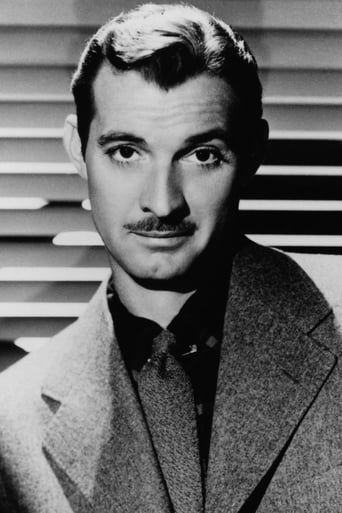
Zachary Scott was born in Richmond, Virginia, in 1914, the son of a prominent banking family whose genteel sophistication would later inform his screen persona. Before finding his calling in Hollywood, Scott trained at the University of Virginia and studied acting abroad in Europe, absorbing theatrical technique and continental manners that would distinguish his performances. His stage work in New York during the late 1930s brought him to the attention of film producers, and he entered cinema at the dawn of the noir era with a mature, cultivated presence that set him apart from younger contract players.
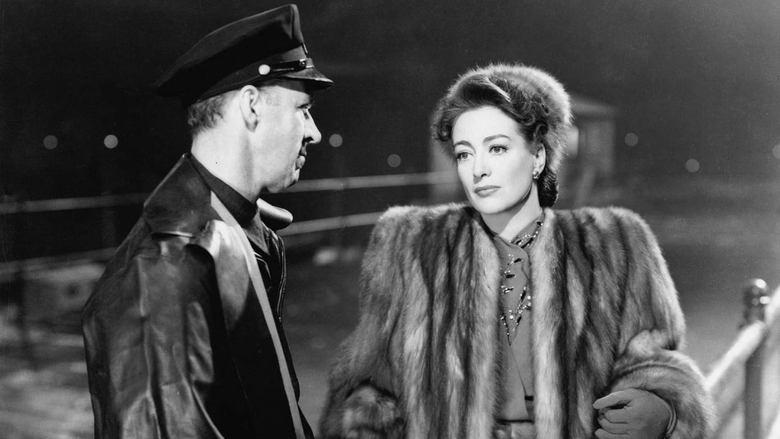
Scott's breakthrough came in 1945 with his sinister turn as Monte Beragon in Michael Curtiz's *Mildred Pierce*, a role that would define his career and establish him as Hollywood's most effective portrait of the parasitic seducer. His performance–combining surface charm with underlying menace–resonated with audiences and critics alike, securing his place in the noir pantheon. Throughout the late 1940s and 1950s, he became a reliable figure in Hollywood's darker melodramas and crime pictures, often cast as the debonair betrayer or the gentleman criminal whose exterior refinement concealed ruthless ambition.
Beyond noir, Scott appeared in Jean Renoir's *The Southerner* (1945), a pastoral masterpiece that showcased his range beyond villainy, and in Michael Curtiz's *Flamingo Road* (1949), where his poisonous charm was unleashed against Joan Crawford in a tale of small-town corruption. His versatility extended to Westerns, dramas, and period pieces, though it was his noir roles that secured his legacy. Scott remained active in television during the 1950s, bringing his urbane menace to episodic drama and appearing in live broadcasts that captured his theatrical training.
Scott's career declined gradually through the 1950s as the noir cycle waned and his particular brand of malevolent charm fell from fashion. He continued working in supporting roles and television until his death in 1965, leaving behind a relatively compact but highly distinctive filmography. His influence on the archetype of the smooth villain remained profound, and his performance in *Mildred Pierce* stands as a definitive portrait of the noir seducer.
Zachary Scott embodied the seductive villain–urbane, morally compromised, and fatally attractive to women. His smooth Southern drawl and handsome features masked a capacity for cruelty and manipulation that made him Hollywood's premier portrait of the corrupt gentleman who hides savagery beneath polish.