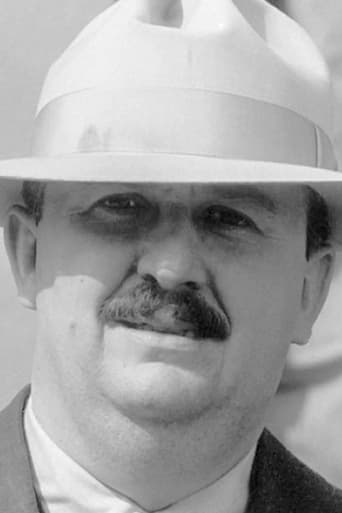
William Riley Burnett was born in Springfield, Ohio, in 1899, the son of a railroad engineer. After studying at Miami University and briefly attempting academic life, Burnett drifted toward literature, working various jobs while honing his craft as a novelist. His breakthrough came with the 1929 publication of Little Caesar, a gritty novel about Chicago gangsters that captured the public imagination and established him as a distinctive voice in American crime fiction. The novel's authentic depiction of criminal life–drawn from Burnett's careful observation and interviews–set him apart from more sensational contemporaries.
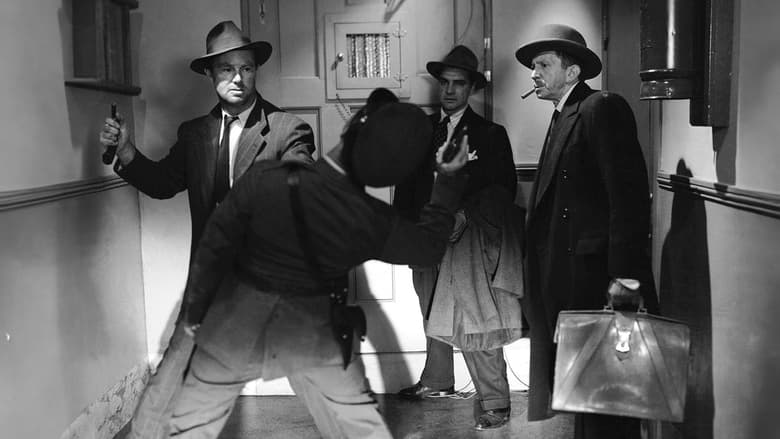
Burnett's transition to Hollywood began in the early 1930s, where studio executives recognized the commercial and artistic value of his crime narratives. He wrote for major studios, adapting his own works and contributing original screenplays that brought his novelistic sensibility to film. During the 1940s, Burnett reached his creative apex, collaborating with director John Huston on The Asphalt Jungle (1950), a heist masterpiece that would become the template for an entire subgenre. His ability to balance character development with intricate plot mechanics made him indispensable to the studios seeking sophisticated crime narratives.
What distinguished Burnett from other crime writers was his unflinching psychological realism. He portrayed criminals not as cartoon villains but as complex men driven by circumstance, ambition, and moral compromise. His scripts eschewed moralizing in favor of narrative authenticity; the audience understood criminal logic without endorsing it. This approach influenced generations of noir writers and directors, from Samuel Fuller to Michael Mann, who recognized in Burnett's work a blueprint for treating crime cinema as serious dramatic art.
Burnett remained prolific through the 1950s, though his peak years of the 1940s represented the apex of his noir influence. He died in Santa Monica in 1982, having witnessed the critical reassessment of noir cinema that elevated works like The Asphalt Jungle and High Sierra to canonical status. His legacy endures not merely in specific films but in the very DNA of American crime cinema–the assumption that criminals deserve dramatic complexity and that heist narratives could sustain serious artistic ambition.
Burnett epitomized the novelist-turned-screenwriter who brought literary authenticity to noir crime narratives. His deep understanding of criminal psychology and underworld mechanics lent unprecedented realism to heist and gangster films, establishing templates that would influence noir cinema for decades.