Films People Pull a Fast One Night Beat Reading Room On TV Shop
Actor · The Brutal Conscience

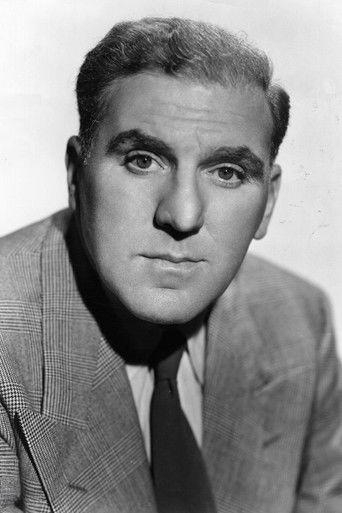
William Bendix

BornJanuary 14, 1906, New York City, New York
DiedDecember 14, 1964, Hollywood, California
Noir Films14 films
Peak Years1944–1952
Photo: TMDB
Scroll

William Bendix was born in New York City in 1906, the son of Latvian immigrant parents. He grew up in Jamaica, Queens, absorbing the rhythms of urban working-class life that would later inform his screen persona. After brief stints in vaudeville and radio, Bendix transitioned to Broadway in the late 1930s, where his gravel-voiced naturalism caught the attention of Hollywood scouts. He arrived in cinema during World War II and quickly established himself as a reliable character actor, his stocky frame and weathered features ideal for the emerging noir aesthetic.

Bendix's breakthrough came with his role as the brutish ex-convict in John Farrow's The Blue Dahlia (1946), opposite Alan Ladd. The film showcased his ability to suggest menace and vulnerability simultaneously–a man whose fists were quicker than his mind, yet capable of unexpected tenderness. Throughout the late 1940s and early 1950s, he became one of noir's most versatile heavies, appearing in Stuart Heisler's The Glass Key (1942) and Robert Siodmak's The Killers (1946). Bendix rarely played the protagonist; instead, he occupied the moral margins, the supporting role that often contained the story's truest conflict.

Bendix possessed a rare quality: the ability to suggest that brutality and conscience occupied the same exhausted body. – James Naremore, More Than Night

What distinguished Bendix from other character actors was his refusal of caricature. Even when cast as a criminal or enforcer, he brought a kind of inarticulate dignity to his roles, a sense that his characters' violence stemmed from circumstance rather than essential evil. This quality made him invaluable to directors seeking psychological depth in their ensemble casts. His collaborations with producers like Hal Wallis and directors like Billy Wilder positioned him at the center of Hollywood's most ambitious crime films, lending weight and authenticity to narratives that might otherwise have collapsed into melodrama.
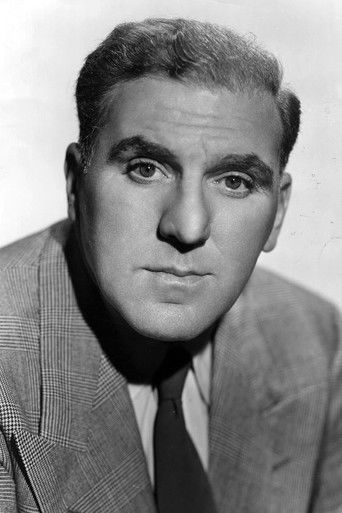
William Bendix

Bendix's career extended well into the 1950s and beyond, but his noir period–roughly 1944 to 1952–defined his legacy. He appeared in television and continued acting until his death in 1964, but it is his noir work that endures, those films where his particular genius for embodying masculine contradiction found its truest expression.

Noir Archetype The Conflicted Tough

Bendix embodied the working-class male whose physical strength and street-level authenticity masked an underlying moral sensitivity. He played men caught between violence and decency, thugs and enforcers who sometimes glimpsed their own humanity too late.
The Scene That Defines Them

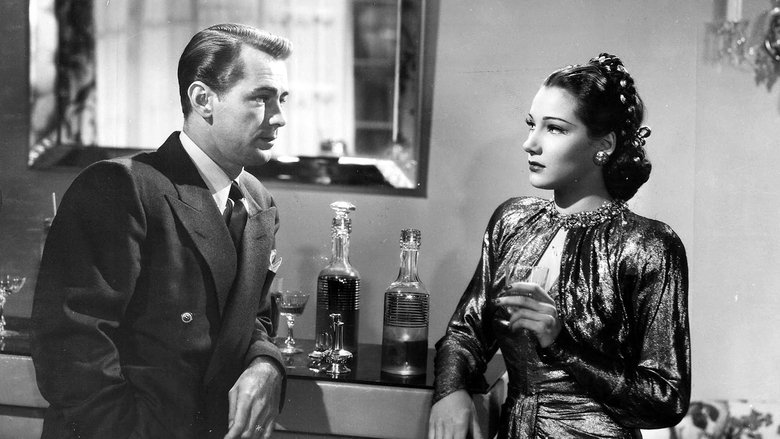
The Blue Dahlia
The Blue Dahlia – 1946

The Drunk Confession

Third act, late evening

Bendix's character, brutish and alcoholic, delivers a monologue to Alan Ladd's protagonist that shifts from threatening to almost pleading. His massive body slumped in a chair, his words slurred but sincere, Bendix reveals a man aware of his own damnation–a criminal too stupid or too damaged to escape his nature. The scene encapsulates Bendix's noir genius: he makes villainy comprehensible without excusing it, pitiable without becoming sympathetic.

The Noir Canon

YearFilmRoleDirector
1942The Glass KeyJeff GardnerStuart HeislerEssential
1946The Blue DahliaBuzz WanchekGeorge MarshallEssential
1947CalcuttaPedro BlakeHal WalkerRecommended
1949The Big StealInspector Jaime FitzroyDon SiegelRecommended
1950Illegal EntryPete KarczagFrederick de CordovaNotable
1950ShakedownLieutenant Dan 'Barko' BarristerJoseph PevneyRecommended
1951Detective StoryLou BrodyWilliam WylerEssential

The Road In

1906
Born in New York City

William John Bendix born January 14 to Latvian immigrant parents in Manhattan.

1925
Early vaudeville work

Bendix performs in traveling vaudeville shows across America, honing his comedic timing and physicality.

1932
Radio debut and prolific career

Becomes a regular on radio broadcasts, building a national following and reputation for naturalistic dramatic work.

1939
Broadway breakthrough

Bendix achieves critical success on stage, earning notice from Hollywood talent scouts for his distinctive voice and presence.

1942
Film noir entry with The Glass Key

Makes his significant noir debut in Stuart Heisler's adaptation, establishing himself as a character actor of depth and menace.

1946
Breakthrough: The Blue Dahlia

Delivers the role that defines his noir legacy opposite Alan Ladd, earning widespread critical acclaim and multiple film offers.

1950
Peak versatility period

Appears in multiple noir and crime films annually, becoming one of Hollywood's most reliable and sought-after supporting actors.

1951
Wyler's Detective Story

Collaborates with William Wyler on the acclaimed police procedural, adding depth to ensemble cast alongside Kirk Douglas.

1956
Television transition

Increasingly focuses on television work, appearing in dramatic series and eventually becoming a major TV star in the 1960s.

1964
Death

William Bendix dies December 14 in Hollywood, leaving behind a legacy as one of noir's most memorable character actors.