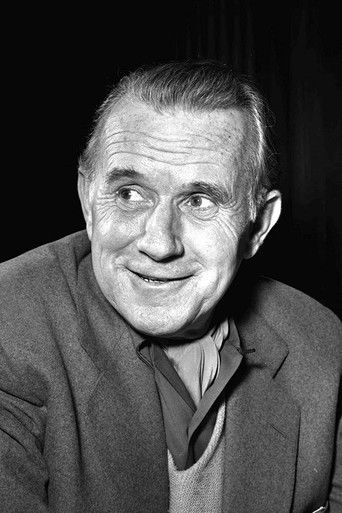
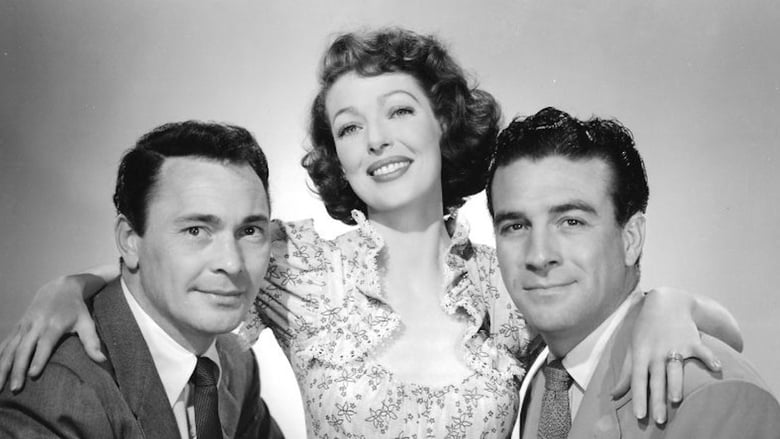
William Tay Garnett was born in Los Angeles in 1894, a native son who came of age during Hollywood's most formative years. After early work in silent comedy and adventure pictures, he developed a reputation as a reliable craftsman capable of navigating multiple genres with equal facility. By the 1930s, Garnett had established himself as a director of competent thrillers and dramas, commanding respect from producers for his efficiency and visual intelligence. His career would reach its apotheosis in the noir era, when his particular gifts–economical storytelling, credible human drama, and atmospheric precision–found their perfect match in the genre's dark material.
The Postman Always Rings Twice (1946) announced Garnett as a major noir architect. Working from James M. Cain's notorious novel, he orchestrated a perfectly calibrated narrative of sexual obsession and murder, extracting career-defining performances from Lana Turner and John Garfield while maintaining the sultry eroticism and moral corrosion of the source text. The film's success established him as a director capable of handling adult material with sophistication and box-office appeal. Over the following years, Garnett would cement his position through disciplined thrillers that emphasized psychological realism over baroque visual stylization, proving that noir effectiveness need not depend upon stylistic extremism.
Cause for Alarm (1951) represented Garnett at his most restrained and psychologically acute. The film's claustrophobic setting–a sickroom where a bedridden man discovers his wife's betrayal–created mounting tension through intimate blocking and the accumulation of small, devastating details. Garnett's direction emphasized the trapped protagonist's mental state rather than external action, demonstrating that noir could achieve maximum impact through minimal means. This late-period work showcased a director whose understanding of human motivation and narrative economy had deepened considerably, suggesting new artistic possibilities even as the classic noir period began its decline.
Garnett continued working through the 1950s, though his assignments grew less prestigious. He remained a professional of uncompromising standards, never sacrificing craft for convenience. By the time of his retirement in the early 1960s, he had accumulated an impressive body of work marked by intelligence, technical mastery, and a mature understanding of human complexity. Though often overshadowed by more flamboyant contemporaries, Garnett's films endure as exemplary instances of noir professionalism–thrillers that trust their material and their audience.
Garnett was a working director of uncommon technical skill who treated noir as a professional assignment rather than artistic crusade. He brought studio-system discipline and visual sophistication to pulp material, creating films of sharp momentum and psychological credibility without pretense or excess.