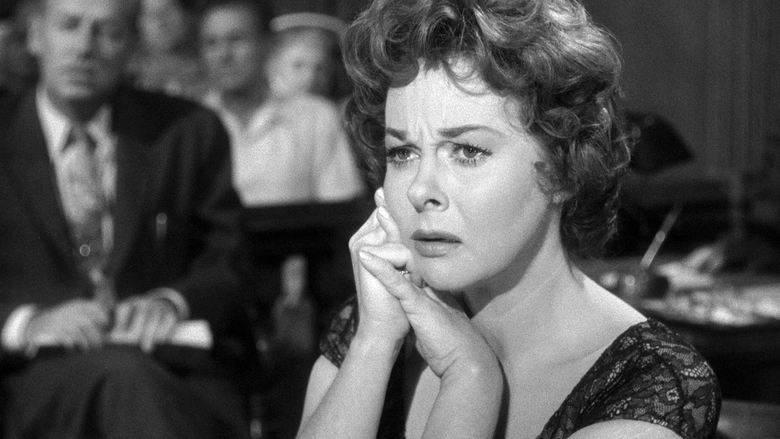
Born Edythe Marrener in Brooklyn, New York, Susan Hayward emerged from humble circumstances to become one of Hollywood's most formidable actresses. Her early career saw her cast primarily in decorative roles, but by the mid-1940s, she had developed a reputation for tackling complex, morally ambiguous characters that showcased her fierce intelligence and naturalistic acting style. Unlike many of her contemporaries, Hayward resisted the glamour-first typecasting that plagued leading ladies of her era, instead gravitating toward gritty crime dramas and psychological thrillers where vulnerability and strength coexisted.
Hayward's noir period coincided with her artistic maturation and her willingness to embrace unglamorous, ungraceful roles. She starred opposite Robert Mitchum, Burt Lancaster, and Dan Duryea in films that explored betrayal, desperation, and moral compromise with unflinching honesty. Her performance in *I Want to Live!* (1958), playing real-life death row inmate Barbara Graham, became the apotheosis of her commitment to character work–a role that earned her an Academy Award and cemented her status as one of cinema's most respected dramatic actresses. Hayward brought a rawness to the noir form that distinguished her from her peers.
What separated Hayward from other noir heroines was her refusal to apologize for her characters' flaws or compromises. In *They Won't Believe Me*, she portrayed a wife capable of violence and deception, yet the film asked audiences to understand, if not forgive, her desperation. Her reddish-blonde hair, sharp cheekbones, and piercing eyes became visual shorthand for intelligence and danger rather than mere sensuality. She could play victims, but never pitiable ones; betrayed women, but never broken ones. This psychological depth made her invaluable to noir directors seeking authenticity over artifice.
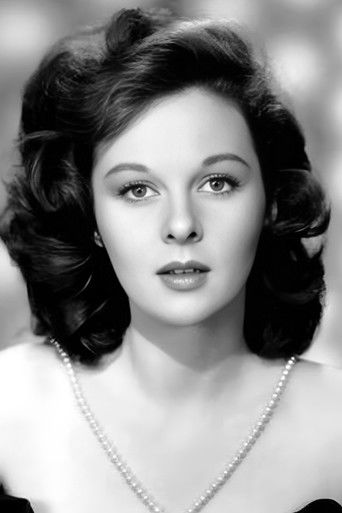
Hayward's legacy in noir cinema extends beyond her filmography to her influence on subsequent generations of actresses who rejected the ingénue trap. Her career choices–often against studio pressure–demonstrated that commercial success and artistic integrity need not be mutually exclusive. Even as noir faded in the 1950s, Hayward continued seeking challenging roles that demanded she mine the darker recesses of human nature, cementing her reputation as one of classic Hollywood's most fearless and uncompromising performers.
Hayward embodied the noir heroine caught between circumstance and survival, a woman of fierce intelligence and moral complexity who refuses victimhood even when the world conspires against her. Her characters fought back–whether against false accusation, betrayal, or systemic injustice–with a steely determination that elevated her beyond the femme fatale into something more dangerous: the woman who knows her own worth.