Films People Pull a Fast One Night Beat Reading Room On TV Shop
Writer · The Pulp Virtuoso

Steve Fisher

BornSeptember 27, 1912, Brooklyn, New York
DiedDecember 19, 1980, Los Angeles, California
Noir Films11 films
Peak Years1943–1950
Scroll

Stephen Gould Fisher was born in Brooklyn and came of age during the pulp magazine era, when serialized crime and mystery stories dominated American popular reading. He began his career as a pulp writer for magazines like Black Mask, absorbing the vernacular rhythms and moral ambiguities that would define his later screenwork. By the early 1940s, Fisher had established himself as a reliable craftsman of hard-boiled narratives, drawing the attention of Hollywood studios hungry for authentic crime material. His transition from magazines to cinema was natural and swift, carried on the momentum of pulp's influence over the emerging noir movement.

Fisher's screenwriting career crystallized between 1944 and 1950, a period when he produced some of noir cinema's most enduring works. I Wake Up Screaming (1941, adapted for film in 1943) showcased his ability to build narrative tension through layered deception and sexual jealousy, while Dead Reckoning (1947) demonstrated his mastery of the amnesiac protagonist trapped in a web of conspiracy. Lady in the Lake (1947) remains his most formally audacious work–adapted from Raymond Chandler but transformed into a first-person camera experiment that placed viewers inside the detective's literal point of view. These films established Fisher as a writer who understood both the commercial imperatives of studio filmmaking and the psychological depths available to noir storytelling.

Fisher understood that noir plots are not obstacles to character–they are the character made visible. – Paul Schrader, 'Notes on Film Noir'

What distinguished Fisher from his contemporaries was his refusal of pretension combined with an almost scientific attention to plot mechanics. He believed that sophisticated emotional truths could emerge from tightly wound genre narratives, that the constraints of crime fiction could actually amplify rather than diminish psychological authenticity. His dialogue was lean and idiomatic, never reaching for poetry but always capturing the cadence of deception and desire. Fisher wrote for actors like Victor Mature, Humphrey Bogart, and Robert Montgomery, understanding that noir's power often resided in casting a certain kind of masculine vulnerability against hardboiled narrative requirements.

Fisher continued writing throughout the 1950s, though his most celebrated work remained rooted in the 1940s golden age. He adapted to television and returned to magazine writing, but his legacy rests solidly on those noir classics–particularly his ability to make plot itself become a form of character revelation. By the end of the classic noir period, Fisher represented a particular American type: the pulp-trained writer who never pretended to be anything other than a professional entertainer, yet whose professionalism achieved an artistry that time has only deepened.
Noir Archetype The Genre Craftsman

Steve Fisher exemplified the working screenwriter who mastered pulp conventions and transformed them into psychologically acute noir narratives. His talent lay not in innovation but in disciplined execution–taking the machinery of crime and desire and calibrating it with precision, creating stories that moved with the inevitability of a trap snapping shut.

The Scene That Defines Them

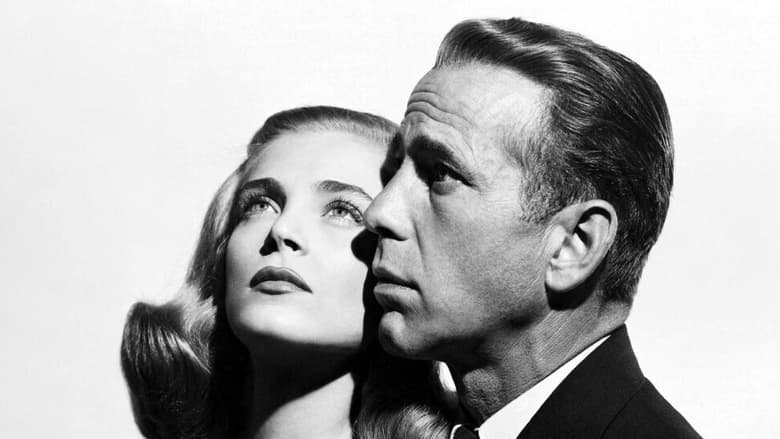
Dead Reckoning
Dead Reckoning – 1947

The Confession in the Hotel Room

Second act

Humphrey Bogart's amnesiac protagonist confronts the woman he loves (Lizabeth Scott) with fragmentary evidence of betrayal, neither fully believing her denials nor willing to abandon his desire for her. The scene crystallizes Fisher's central noir insight: that emotional truth and factual truth are irreconcilable, that desire corrupts knowledge. The dialogue circles without resolution, creating the moral vertigo that defines the film. This scene encapsulates Fisher's belief that noir's greatest power lies in trapping protagonists–and audiences–in insoluble emotional paradoxes.

The Noir Canon

YearFilmRoleDirector
1941I Wake Up Screaming– (screenplay adaptation)H. Bruce HumberstoneEssential
1947Dead Reckoning– (screenplay)John CromwellEssential
1947Lady in the Lake– (screenplay adaptation)Robert MontgomeryEssential
1947Johnny Angel– (screenplay)Edwin L. MarinRecommended
1948Berlin Express– (screenplay)Jacques TourneurRecommended
1949Criss Cross– (screenplay adaptation)Robert SiodmakEssential
1950The Underworld Story– (screenplay)Cyril EndfieldNotable

The Road In

1928
Begins pulp fiction career

Fisher sells his first stories to pulp magazines, establishing himself as a Black Mask contributor throughout the 1930s. He becomes fluent in the hard-boiled idiom and develops the narrative techniques that will define his later screenwork.

1941
I Wake Up Screaming published

Fisher's novel attracts Hollywood's attention, leading to a screen adaptation directed by H. Bruce Humberstone. The film's commercial success and critical recognition establishes Fisher as a bankable screenwriter.

1943
Hollywood career launches

Fisher signs with major studios and begins adapting and originating screenplays for crime and noir films. His understanding of pulp narrative structure and psychological motivation makes him invaluable to producers seeking authentic crime material.

1946
Rendezvous with Annie released

Fisher attempts postwar comedy-noir hybrid. Though commercially successful, it demonstrates the limits of his range; his talents peak when working in darker material without comedic dilution.

1947
Peak creative period

Dead Reckoning, Lady in the Lake, and Johnny Angel all release within months. Fisher's reputation as a master of plot-driven psychological noir crystallizes; he becomes one of the most sought-after screenwriters in Hollywood.

1949
Criss Cross collaboration with Siodmak

Fisher adapts Don Tracy's novel for director Robert Siodmak, creating one of noir's great heist narratives. The film's success reinforces Fisher's standing as the era's preeminent crime screenplay specialist.

1950
Golden age concludes

Fisher's output remains prolific, but classic noir's commercial dominance fades. He transitions toward television and western screenplays, though his most celebrated work remains rooted in the 1943–1949 period.

1960
Television and adaptation work

Fisher continues writing for emerging television crime dramas and occasional film projects, adapting his pulp-honed narrative skills to new media while maintaining the craftsmanship that defined his noir period.

1975
Career retrospective recognition

Film historians begin reassessing Fisher's contribution to noir, recognizing that his unfashionable directness and genre loyalty had masked genuine artistic achievement. His scripts are studied for their technical mastery and psychological acuity.

1980
Death in Los Angeles

Fisher dies at age 68, leaving behind an uncompromising legacy as a working writer who elevated genre conventions through discipline and psychological insight rather than pretension or formal experiment.