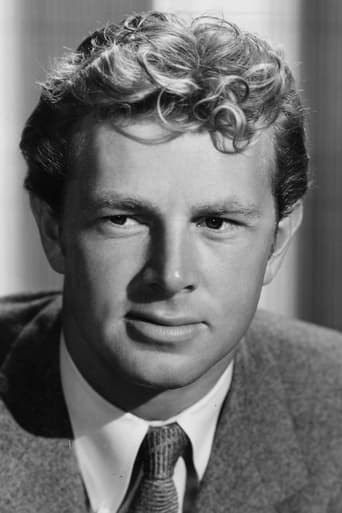
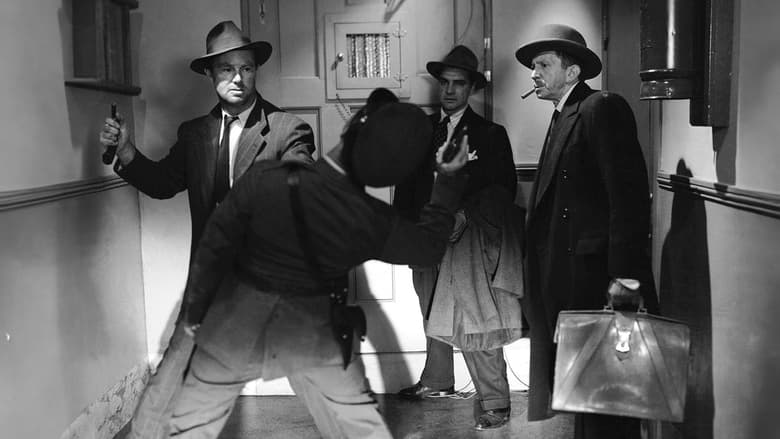
Sterling Hayden was born Sterling Relyea Walter in Upper Montclair, New Jersey, in 1916, the son of a naval architect. Before becoming an actor, he pursued a life at sea as a merchant marine, an experience that informed his later portrayals of hardened, world-weary men. His tall, rugged frame and distinctive baritone made him a natural for Hollywood's demands in the 1940s, but Hayden approached acting with a working-class skepticism that would define his career. He arrived in film during the golden age of noir, when cynicism and moral ambiguity dominated the American screen.
Hayden's breakthrough came in John Huston's *The Asphalt Jungle* (1950), where he played Dix Handley, the ex-convict driver whose dream of escape anchors the film's melancholy fatalism. His performance demonstrated a rare combination of physical presence and psychological vulnerability–Hayden could be menacing and tender in the same scene. Throughout the early 1950s, he became a staple of crime cinema, working with Stanley Kubrick on *The Killing* (1956) and appearing in Fred F. Sears's *Crime Wave* (1954). These roles showcased his ability to embody men caught between survival and morality.
Beyond noir, Hayden's career was marked by artistic restlessness and political conviction. He served in World War II and remained deeply skeptical of Cold War hysteria, a stance that cost him dearly when he was called before HUAC in 1951. Though he initially named names before recanting, the experience left him embittered toward the industry. He would alternate between major studio roles and smaller, independent projects, never fully settling into the Hollywood system despite his considerable talent and box-office appeal.

Hayden's later years saw him embrace literature and sailing with the same passion he'd brought to acting. He published novels and returned to the sea, viewing his film career as one chapter in a larger, more authentic life. His noir performances remain among the era's most distinctive–not because he was a traditional leading man, but because he brought an unusual intelligence and physical grace to morally compromised characters who might have been mere archetypes in less skilled hands.
Hayden embodied the physically imposing but intellectually restless criminal–men trapped between brutality and conscience. His imposing frame and weathered features made him ideal for the morally compromised antiheroes of late-classic noir, yet his performances always carried an undercurrent of existential doubt that elevated him beyond mere muscle.