Films People Pull a Fast One Night Beat Reading Room On TV Shop
Actor · The Vulnerable Siren

Shelley Winters

BornAugust 18, 1920, St. Louis, Missouri
DiedJanuary 14, 2006, Beverly Hills, California
Noir Films8 films
Peak Years1948–1956
Photo: TMDB
Scroll

Shelley Winters was born Shirley Schrift in St. Louis, Missouri, and came of age during the Depression, which would inform her career-long empathy for characters on society's margins. After study at the Actors Lab in Los Angeles–a hotbed of Method acting pedagogy–she began appearing in small roles throughout the 1940s. By the early 1950s, she had achieved stardom through a combination of striking beauty and an uncommon emotional authenticity that allowed her to inhabit both glamorous and downtrodden characters with equal conviction.

Her performance in A Place in the Sun (1951) opposite Montgomery Clift secured her position as a major star. Yet it was her work in noir and crime films that revealed the full dimension of her talent: she could shift from seductive allure to desperate pathos within a single scene. Directors were drawn to her ability to make morally compromised characters sympathetic without sentimentality, and her husky voice and direct gaze conveyed both strength and fracture.

Shelley Winters brought a kind of desperate humanity to the femme fatale–she made you understand how circumstance and longing could corrupt even the best instincts. – Film historian Eddie Muller

The Night of the Hunter (1955) stands as her most celebrated noir venture, though her role as the protective mother–rather than the femme fatale–demonstrated her range. Her collaborations with Robert Aldrich, Jules Dassin, and other postwar auteurs pushed her toward increasingly complex characterizations. Though she would outlive the noir era, Winters maintained throughout her long career the same commitment to psychological depth and risk-taking that distinguished her finest 1950s work.
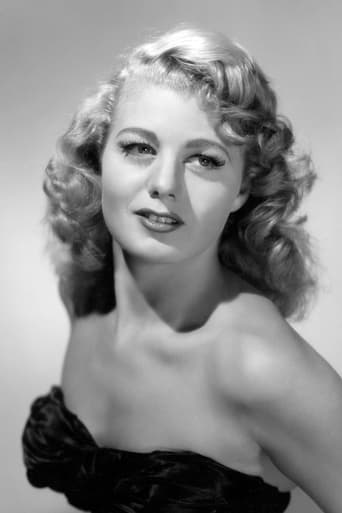
Shelley Winters

Winters earned four Academy Award nominations across her career and was known for her intelligence, political conviction, and willingness to challenge studio authority. Her 1980 autobiography remains a vital document of Hollywood labor and craft during the studio era. She died in Los Angeles in 2006, leaving behind a legacy as one of noir's most psychologically nuanced interpreters.

Noir Archetype The Tragic Femme Fatale

Winters embodied a distinctly American vulnerability within the noir temptress archetype. Rather than the cool, calculating seductress, she portrayed women whose desperation and emotional nakedness became their fatal flaw–victims as much as villains, trapped by circumstance and their own yearning for escape.
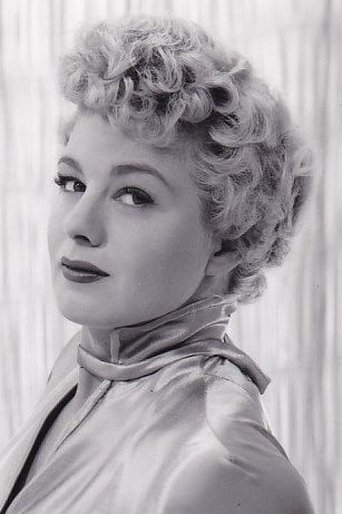
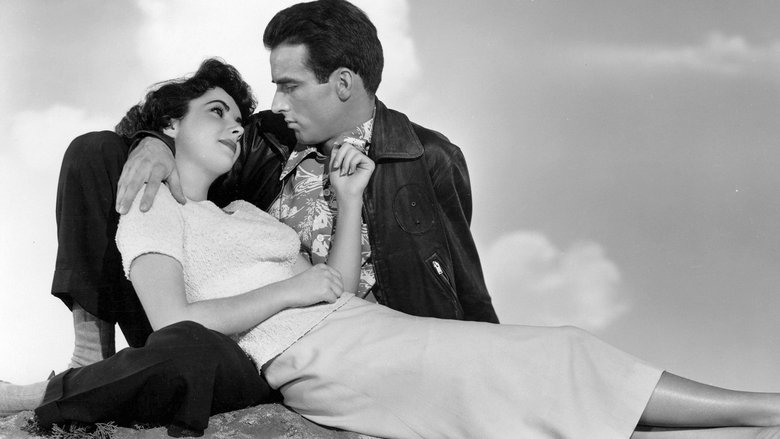
The Scene That Defines Them

A Place in the Sun
A Place in the Sun – 1951

The Drowning

Third act

Winters' character Alice Tripp is drowned by Montgomery Clift's George Eastman in a boating 'accident'–a murder born of his desire for an heiress. Winters conveys Alice's dawning awareness of betrayal with heartbreaking subtlety, her eyes reflecting not anger but the terrible recognition that the man she loves is capable of killing her. The scene crystallizes her noir archetype: the working-class girl whose only currency is her vulnerability, fatally outmatched by masculine ambition and class contempt.

The Noir Canon

YearFilmRoleDirector
1948Cry of the CityBrenda MartingaleRobert SiodmakRecommended
1955The Night of the HunterWilla HarperCharles LaughtonEssential
1959Odds Against TomorrowLorryRobert WiseEssential

The Road In

1920
Born Shirley Schrift in St. Louis

The daughter of a Jewish clothing manufacturer, Winters grew up during the Great Depression in the American Midwest, experiences that would ground her acting in social realism.

1941
Moves to Los Angeles; enrolls at Actors Lab

She studies Method acting at the progressive Actors Lab, aligning with postwar American realism. The training emphasized psychological truth over theatrical artifice.

1942
Film debut in uncredited roles

Winters appears in minor parts throughout 1942–1946, building craft and connections in the studio system while working steadily.

1948
Breakthrough in Cry of the City

Robert Siodmak casts her in a substantive role in this noir crime drama, marking her emergence as a capable dramatic actress.

1949
Max Ophüls directs her in The Reckless Moment

Her collaboration with Ophüls on this intimate noir reveals her capacity for psychological nuance and emotional layering under the direction of a major auteur.

1951
Stardom with A Place in the Sun

George Stevens' adaptation of An American Tragedy and her performance opposite Montgomery Clift make her an A-list star and earn her first Academy Award nomination.

1955
Charles Laughton directs The Night of the Hunter

Her role as the maternal protector in Laughton's only directorial effort becomes one of cinema's great performances, showcasing her range beyond the femme fatale.

1957
Robert Wise's Odds Against Tomorrow

Her casting in this late-noir heist film demonstrates her continuing relevance as the form enters decline, her presence adding moral weight to the narrative.

1960
Transition beyond noir era

By 1960, Winters pursues roles in prestige drama and begins a decades-long career in television and character work, establishing herself as one of cinema's most durable talents.

1980
Publication of autobiography Shelley

Her candid memoir becomes essential testimony to the studio system, labor politics, and the craft of acting during Hollywood's golden age.