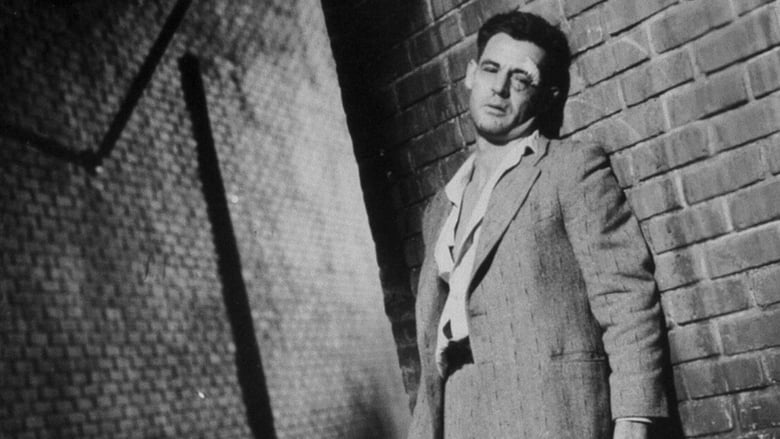
Robert Wise was born in Winchester, Indiana, in 1914, the son of a meat-packing executive and a concert pianist. He came to cinema through the back door of technical craftsmanship, beginning his career at RKO Radio Pictures in 1933 as a sound technician and film editor. This apprenticeship in the mechanics of cinema–the precise marriage of image and sound, the architecture of montage–would define his directorial approach. By the late 1930s, Wise had established himself as one of Hollywood's finest editors, earning an Oscar nomination for his work on *Citizen Kane* and working across multiple genres and budgets.
Wise's transition to directing coincided with the industrial machinery of noir cinema. His early noir films, particularly *Born to Kill* (1947) and *The Set-Up* (1949), revealed a director more interested in structural precision and moral inquiry than visual pyrotechnics. Where other noir directors reached for shadows and expressionist distortion, Wise favored austere lighting, economical camera movement, and the documentary-like clarity of a man observing human behavior under pressure. His characters operate within systems–boxing rings, criminal networks, small towns–and Wise's camera is the impartial witness to their compromises and desperation.
Wise was a director who understood that cinema was architecture, that every frame was a structural choice. – Robert K. Kolker, *A Cinema of Loneliness*
The 1950s consolidated Wise's reputation as a thinking director's craftsman. *Odds Against Tomorrow* (1959), his final major noir work, stands as perhaps his purest expression: a heist film structured as a racial parable, its narrative precision matched by a visual language of stark modernism and psychological penetration. Wise never affected the tortured romanticism of the noir auteur; instead, he treated genre material with the seriousness of a documentarian and the discipline of an engineer. His work suggested that restraint and clarity could be as expressive as excess, that form could serve content with quiet authority.
Though Wise would move beyond noir into musicals and science fiction–*West Side Story*, *The Sound of Music*–his noir films remain exemplary statements of the genre's later phase. He died in Los Angeles in 2005, at ninety years old, having crafted a career that proved the director need not be a visionary eccentric to create lasting art. His films endure as models of intelligent commercial cinema, where entertainment and moral seriousness coexist without contradiction.