Films People Pull a Fast One Night Beat Reading Room On TV Shop
Actor · The Reluctant Tough Guy

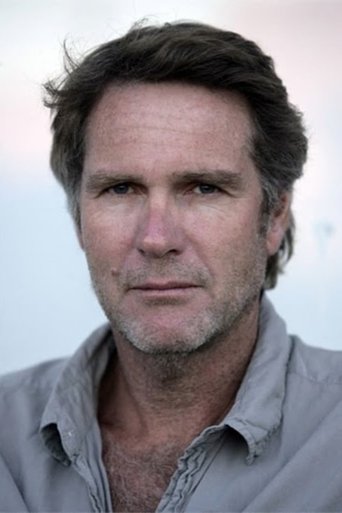
Robert Taylor

BornAugust 5, 1911, Omaha, Nebraska
DiedJune 8, 1969, Los Angeles, California
Noir Films7 films
Peak Years1946–1954
Photo: TMDB
Scroll

Robert Taylor was born Spangler Arlington Brugh in Omaha, Nebraska, the son of a country doctor. He grew up in rural Iowa and Nebraska, developing an early passion for acting that led him to Pomona College in California. After small roles and stage work, he was discovered by MGM talent scouts in the mid-1930s and became one of the studio's most bankable leading men, known for his masculine appeal and versatility across genres. By the 1940s, having proven himself in everything from costume dramas to westerns, Taylor's mature features and penetrating gaze made him ideal for the emerging noir cycle.

Taylor's entry into noir cinema came at the height of his career, when his status as an MGM contract star afforded him leading roles in prestige productions. In Undercurrent (1946), directed by Vincente Minnelli, he played a wealthy industrialist whose urbane exterior conceals dangerous obsession, introducing psychological complexity to his screen persona. High Wall (1948) positioned him as a war veteran haunted by trauma and false accusation, his naturalistic performance grounding the film's psychiatric melodrama. These roles revealed an unexpected depth, transforming Taylor from mere romantic lead into a credible interpreter of noir's moral ambiguity and psychological torment.

Taylor brought an unsettling intimacy to corruption, suggesting that evil wore not a sinister mask but the face of the boy next door. – David Thomson, 'A Biographical Dictionary of Film'

Rogue Cop (1954) represented the apex of Taylor's noir work, casting him as a corrupt police detective navigating the underworld with cynical pragmatism. His performance balanced the character's fundamental decency–a concern for his younger brother–against his systematic betrayal of every ethical principle his profession supposedly upholds. The film allowed Taylor to exploit his natural authority while subverting it, creating a protagonist neither heroic nor irredeemable but complexly human. This late-period noir role demonstrated that Taylor had fully internalized the genre's moral vocabulary and could deliver nuanced performances rivaling any contemporary actor.

Robert Taylor

Though never primarily identified with noir, Taylor's contributions to the genre proved singularly effective, his classical restraint and conventional handsomeness becoming assets rather than liabilities in roles requiring moral duplicity beneath respectable surfaces. His later career saw him return to action and western roles, but his noir work remains a compelling record of how major studio stars navigated the genre's darker terrain. Taylor's noir films demonstrate that the cycle's most interesting work often emerged not from B-pictures but from major studios' willingness to complicate their biggest stars' images.

Noir Archetype The Conflicted Lawman

Taylor embodied the morally ambiguous law enforcement officer caught between duty and corruption, his classical Hollywood handsomeness undermined by shadows of doubt and complicity. His noir persona revealed the fractures in institutional authority, suggesting that the badge itself could be a instrument of moral compromise rather than justice.
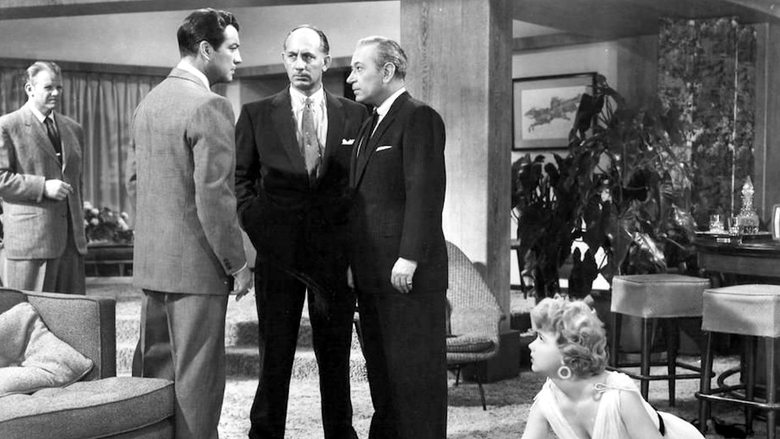
The Scene That Defines Them

Rogue Cop
Rogue Cop – 1954

The Shakedown

Third act, precinct station

Detective Kelvaney methodically counts cash from his latest corruption payoff while his brother Jimmy sleeps in the next room, unaware of his sibling's moral decay. Taylor's face registers no pleasure or guilt–only the blank efficiency of a man for whom dishonesty has become routine. The scene's power lies in its refusal to condemn; Taylor plays the corruption as ordinary, professional, almost virtuous in its competence. This moment crystallizes the noir vision of institutional rot: not melodramatic villainy but the daily business of men who have simply accepted their own complicity.

The Noir Canon

YearFilmRoleDirector
1946UndercurrentAlan GaynorVincente MinnelliEssential
1947High WallSteve KenetCurtis BernhardtEssential
1954Rogue CopDetective Christopher KelvaneyRoy RowlandEssential
1957Party GirlThomas FarrowNicholas RayRecommended

The Road In

1911
Born in Omaha

Spangler Arlington Brugh arrives in Omaha, Nebraska, to Dr. William and Ruth Spangler Brugh. His father's medical practice situates the family in Nebraska's rural professional class.

1930
Theatre studies at Pomona College

Taylor enrolls at Pomona College in California, where he discovers his passion for dramatic performance and begins appearing in college productions.

1934
MGM contract signed

Discovered by MGM talent scouts, Taylor signs a long-term studio contract under the stage name 'Robert Taylor,' launching his Hollywood career at age 23.

1942
Naval officer commission

Taylor enlists in the U.S. Navy as a gunnery officer, serving until 1946. His military service infuses his later noir roles with authentic wartime experience and moral complexity.

1946
Undercurrent released

Vincente Minnelli's psychological thriller marks Taylor's entry into noir cinema, establishing him as capable of darker, more introspective dramatic work than his romantic leads suggested.

1948
High Wall establishes noir presence

Taylor's performance as a traumatized war veteran in Curtis Bernhardt's asylum noir deepens his genre credibility, showcasing his ability to convey psychological damage and paranoia.

1954
Rogue Cop premiere

Roy Rowland's Rogue Cop becomes Taylor's quintessential noir role, a corrupt detective that represents the apex of his genre work and earns critical recognition for moral ambiguity.

1957
Party Girl with Nicholas Ray

Taylor's final major noir collaboration with director Nicholas Ray, playing a crime boss attorney opposite Cyd Charisse in a stylishly decadent examination of Chicago organized crime.

1958
MGM contract concludes

After 24 years as a contract star, Taylor's MGM agreement ends, allowing him greater independence in choosing roles but signaling the studio system's decline.

1969
Death in Los Angeles

Robert Taylor dies of lung cancer in Los Angeles at age 57, leaving behind a substantial film legacy that includes some of cinema's most psychologically penetrating noir performances.