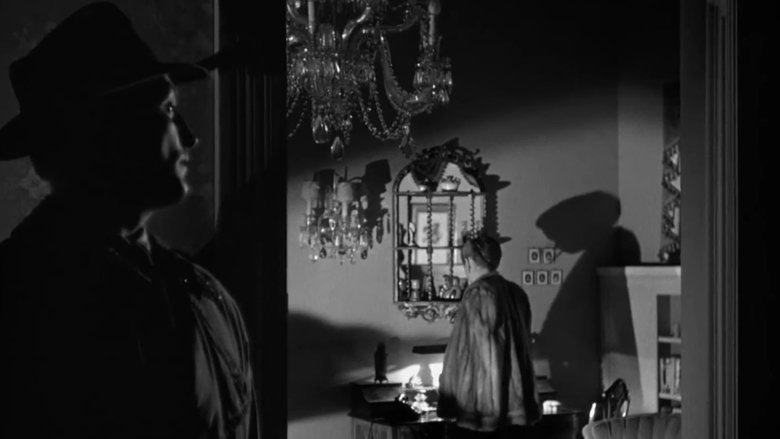
Robert Mitchum (1917–1997) emerged as one of noir's most compelling anti-heroes, bringing a dangerous casualness to roles that demanded moral complexity. Unlike flashier contemporaries, Mitchum's power lay in his apparent indifference–a quality that made even corrupt or violent characters disturbingly human. His early career flourished in the 1940s, when studios exploited his brooding intensity and physical presence.
Out of the Past cemented Mitchum as noir royalty, his performance as Jeff Bailey radiating fatalism and doomed attraction. The chemistry with Jane Greer and his understated delivery of Raymond Chandler's dialogue set a standard for noir leads. Mitchum could convey volumes through a glance or cigarette drag, making psychological depth feel effortless rather than theatrical.
Beyond noir, Mitchum's range proved expansive–from Cape Fear's calculated menace to Night of the Hunter's biblical villainy. His refusal to take himself seriously, combined with genuine craft, made him enduringly iconic. Mitchum remained a commanding screen presence for five decades, defining cool masculinity for generations of actors and viewers.
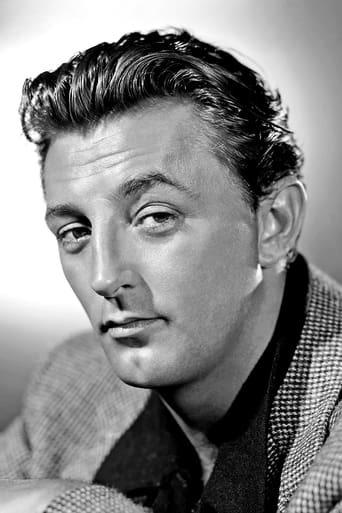
Mitchum embodied the morally ambiguous protagonist who drifts through shadows with weary resignation rather than passionate conviction. His half-lidded eyes and languid delivery suggested a man who understood the darkness within himself and accepted it without judgment.