Films People Pull a Fast One Night Beat Reading Room On TV Shop
Director · The Brutalist of the Blacklist

Robert Aldrich

BornAugust 9, 1918, Cranston, Rhode Island
DiedDecember 5, 1983, Los Angeles, California
Noir Films7 films
Peak Years1953–1956
Photo: TMDB
Scroll

Robert Aldrich was born into Rhode Island privilege but spent his formative years in Tokyo and California, a geographic restlessness that would inform his outsider's gaze on American society. After naval service in World War II, he apprenticed in Hollywood as assistant director and script clerk, absorbing craft from Ernst Lubitsch and Jean Renoir before directing his first feature in 1953. His early years were marked by struggle against studio control and blacklist-era anxiety, yet he converted these constraints into aesthetic necessity–tight budgets and tight narratives became his signature.

By the mid-1950s, Aldrich had crystallized a visual and thematic language wholly his own: compositions of geometric violence, dialogue stripped to brutal efficiency, and narratives that dismantled the mythology of American institutions. Kiss Me Deadly (1955) remains his masterpiece and the apex of noir brutalism–a film that treats Los Angeles as a necropolis and reduces Mike Hammer to a blunt instrument of apocalypse. The Big Knife (1955) and World for Ransom (1954) extended this vision into the studios themselves and the underworld economies they ignore, films that understand noir not as mood but as structural condition.

Aldrich didn't make films about corruption–he made films about how corruption is the only honest business there is. – Jonathan Lethem, 2008

Aldrich's directorial method was shaped by economic necessity and ideological clarity. Working with skeletal crews and B-picture budgets, he developed a documentary-like efficiency that paradoxically amplified emotional impact. His collaborations with cinematographer Ernest Laszlo and composer Frank De Vol created a visual-sonic grammar of menace and despair. By 1956, blacklist pressures and studio resentment had begun to limit his access to prestige projects, yet his most enduring work remained noir–films that aged into prophecy rather than period pieces.
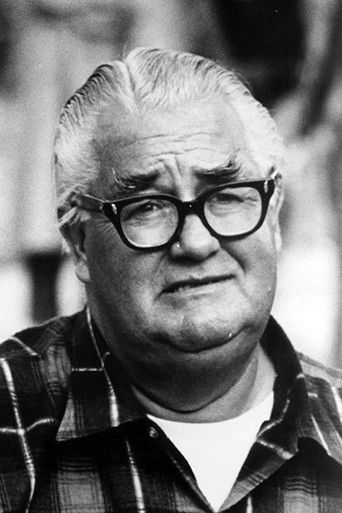
Robert Aldrich

What distinguishes Aldrich from his noir contemporaries is his refusal of redemption narrative. His protagonists do not atone; institutions do not reform. This austere moralism, rooted partly in his leftist sympathies and partly in his formal innovations, made him both critically championed and commercially unstable throughout the 1950s. He would later pivot toward action and horror, but the noir films remain his truest statement: that American power operates through violence, and cinema's job is to watch without flinching.

Noir Archetype The Political Moralist

Aldrich emerged as noir's most unflinching critic of American capitalism and institutional corruption. His films strip away romantic fatalism to expose systemic cruelty–not as tragic inevitability, but as engineered violence by the powerful against the powerless. Where contemporaries wallowed in shadow, Aldrich wielded brutalism as moral argument.
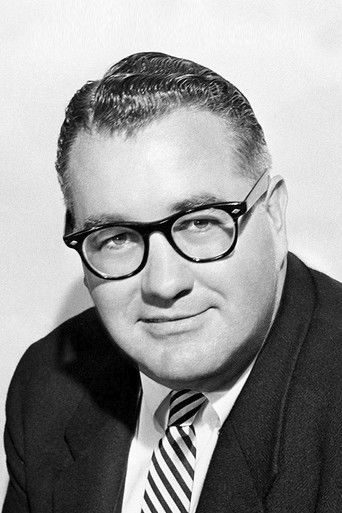
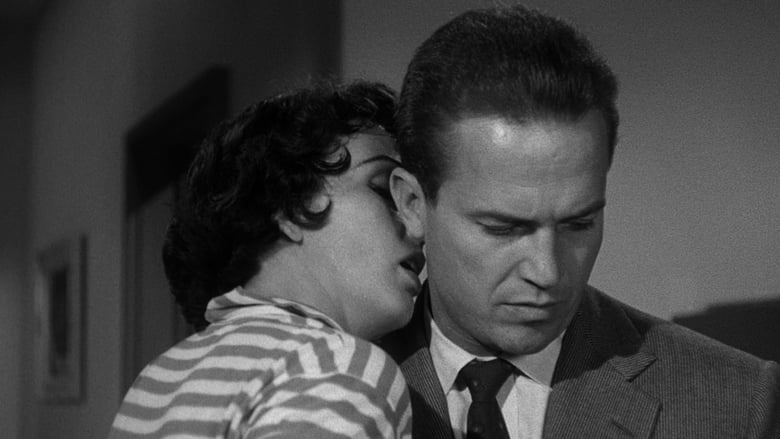
The Scene That Defines Them

Kiss Me Deadly
Kiss Me Deadly – 1955

The Atomic Suitcase Finale

Final ten minutes

Mike Hammer stands before an open suitcase containing atomic material–the film's MacGuffin revealed as literal apocalypse. Aldrich frames the scene with documentary coldness: no music, no dramatic crescendo, only the hum of radiation and the knowledge that American power has created a weapon that will incinerate everyone in the room. Hammer's gesture toward closing the case is an act not of heroism but of futility. The suitcase closes; light floods the frame; the world burns. It is cinema's purest rejection of noir redemption, the fatalism not earned but technological, inevitable.

The Noir Canon

YearFilmRoleDirector
1954World for RansomRobert AldrichRecommended
1955Kiss Me DeadlyRobert AldrichEssential
1955The Big KnifeRobert AldrichEssential

The Road In

1918
Born in Cranston, Rhode Island

Born into a prominent family with connections to the New England establishment, though raised in Tokyo during childhood due to his father's business interests.

1942
Enters U.S. Navy as ensign

Serves during World War II in naval intelligence, a role that exposed him to institutional power structures and their moral compromises.

1946
Arrives in Hollywood as assistant director

Works as assistant to Jean Renoir, Ernst Lubitsch, and William Wellman, absorbing directorial technique while developing leftist sympathies.

1953
Directs first feature, The Big Leaguer

Low-budget sports melodrama distributed by MGM; initial critical indifference but marks Aldrich's emergence as independent directorial voice.

1954
Completes World for Ransom

World for Ransom shot on minimal budget for United Artists; establishes Aldrich's visual signature of geometric composition and moral austerity.

1955
Releases The Big Knife and Autumn Leaves

The Big Knife becomes controversial for its insider critique of Hollywood corruption; establishes Aldrich as modernist voice willing to alienate audiences.

1956
Blacklist pressures limit studio access

Political climate and producer backlash against his leftist sympathies reduce offers for prestige projects; forced into television and lower-budget independent work.

1958
Pivots toward action and adventure cinema

Directs The Angry Hills and later What Ever Happened to Baby Jane?; noir period concludes, though remaining films retain its moral austerity and visual rigor.