Films People Pull a Fast One Night Beat Reading Room On TV Shop
Actor · The Shahrazade of Noir

Rita Hayworth

BornOctober 17, 1918, Brooklyn, New York
DiedMay 14, 1987, New York, New York
Noir Films7 films
Peak Years1944–1950
Photo: TMDB
Scroll

Born Margarita Carmen Dolores Cansino in Brooklyn to a Spanish-Irish vaudeville family, Rita Hayworth emerged from Hollywood's studio system as one of cinema's most luminous presences. Her early years involved uncredited bit parts and B-pictures before her transformation into a star vehicle for the 1940s. By mid-decade, she had become the embodiment of wartime fantasy–her image gracing servicemen's barracks worldwide. Yet beneath the manufactured glamour lay a serious actress hungry for dramatic depth, and noir cinema provided the vehicle for her artistic maturation.

Gilda arrived in 1946 as her defining role: the black-haired, black-gowned seductress who could destroy a man with a shrug and a knowing smile. Working with director Charles Vidor, Hayworth created an icon of calculated femininity–a woman whose loyalty, like everything else about her, remained perpetually ambiguous. The film's famous nightclub sequence, where she performs 'Put the Blame on Mame,' became the visual apotheosis of noir eroticism. Her performance balanced vulnerability with predatory intelligence, suggesting depths of damaged humanity beneath the diamond-hard exterior.

She was the embodiment of the fatal woman–not evil, but possessed of a terrible, beautiful power that corrupted everything it touched. – Paul Schrader, on the femme fatale archetype in 'Notes on Film Noir'

Orson Welles's The Lady from Shanghai challenged her further, requiring her to play against type as a duplicitous wife in a labyrinthine murder plot. The iconic funhouse mirror finale showcased her technical brilliance as an actress capable of sustaining complex moral ambiguity. The film demanded she be simultaneously sympathetic and culpable, victim and architect of destruction. These roles during her peak years–1944 to 1950–established her as noir's reigning queen, a performer who could convey narrative complexity through glance and gesture.
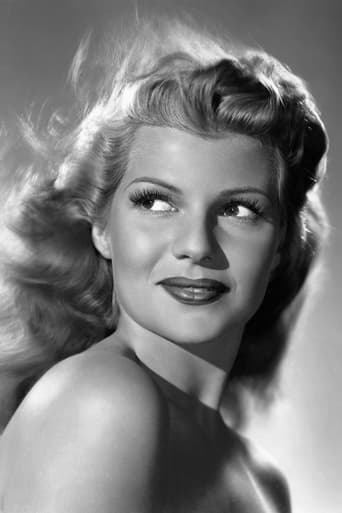
Rita Hayworth

Her later career oscillated between prestige vehicles and increasingly formulaic roles, though her noir credentials remained indelible. Personal turmoil, including her marriage to Welles and subsequent relationships, increasingly intersected with her public persona. By the 1950s, she sought more control over her career, but the studio system had begun its decline. Her legacy rests on those luminous mid-1940s performances, where technique, beauty, and neurotic depth converged into cinema's most enigmatic feminine presence.

Noir Archetype The Femme Fatale

Hayworth embodied the apex of noir's dangerous allure–a woman whose beauty and sensuality could unmake men and overturn the moral order. In her signature roles, she wielded glamour as both weapon and trap, playing characters who operated by their own rules in a world of corruption and desire.
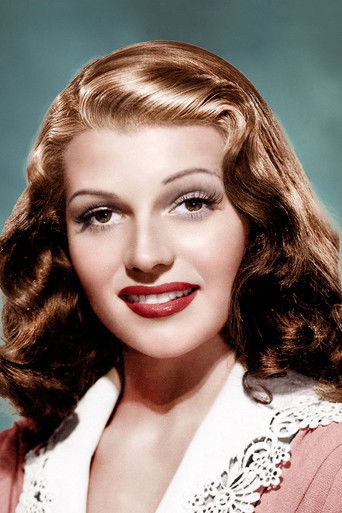
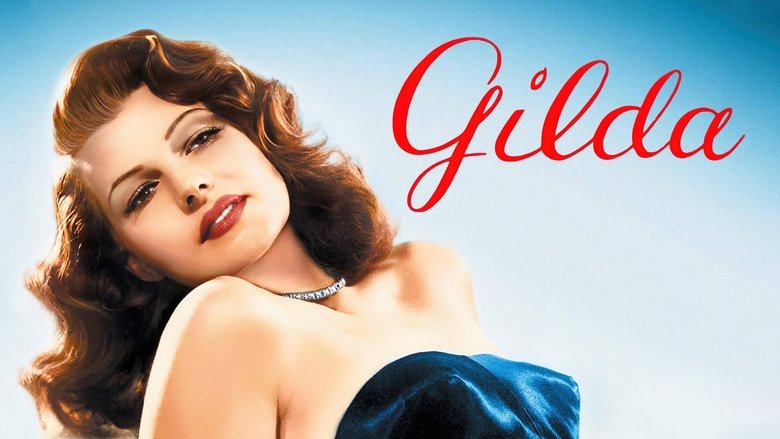
The Scene That Defines Them

Gilda
Gilda – 1946

The 'Put the Blame on Mame' Performance

Act Two, nightclub sequence

Draped in a black satin gown, Hayworth performs the torch song as the camera circles her in fluid tracking shots. Her performance merges genuine vocal talent with pantomime seduction, each gesture coded with double meaning. The scene crystallizes the femme fatale's paradox: she is simultaneously performer and predator, object and agent, complicit in her own mythology while maintaining ironic distance from it. This single sequence became cinema's definitive image of noir eroticism.

Put the blame on Mame, boys.

The Noir Canon

YearFilmRoleDirector
1946GildaGilda Mundson FarrowCharles VidorEssential
1947The Lady from ShanghaiElsa BannisterOrson WellesEssential
1952Affair in TrinidadChris MansonVincent ShermanRecommended

The Road In

1918
Born in Brooklyn to Spanish-Irish vaudeville performers

Margarita Carmen Dolores Cansino enters the world as daughter of Eduardo Cansino Jr. and Volga Hayworth, inheriting both bloodline and show-business legacy.

1926
Professional stage debut with her father

Performs in the Cansino Dancing Family act across vaudeville circuits and Latin American venues, beginning her performance apprenticeship.

1935
First film appearance and contract with Fox

Signs contract after appearing in uncredited roles; adopts stage name Rita Hayworth, combining mother's surname with Hollywood convention.

1941
Becomes Columbia Pictures' contract player

Moves to Columbia under Harry Cohn, beginning the studio relationship that would define her career and personal turmoil.

1943
Marries Orson Welles

Weds the young director and actor; the marriage generates enormous publicity but proves turbulent, ending in 1947.

1946
Reaches absolute peak with Gilda

Charles Vidor's Gilda becomes her signature role and one of cinema's defining noir performances; the 'Mame' sequence becomes instantly iconic.

1947
Collaborates with Welles on The Lady from Shanghai

Her role as Elsa Bannister in Welles's labyrinthine noir showcases her technical range; the funhouse mirror sequence becomes legendary.

1950
Peak years conclude; career begins gradual decline

Despite continued films, the studio system's control and personal instability diminish her access to complex dramatic roles.

1955
Contract with Columbia expires

After two decades, Hayworth leaves the studio that made her, seeking independence but facing limited opportunities in changing industry.

1976
Diagnosed with Alzheimer's disease

Personal struggles intensify; her final years are marked by the progressive illness that would claim her in 1987.