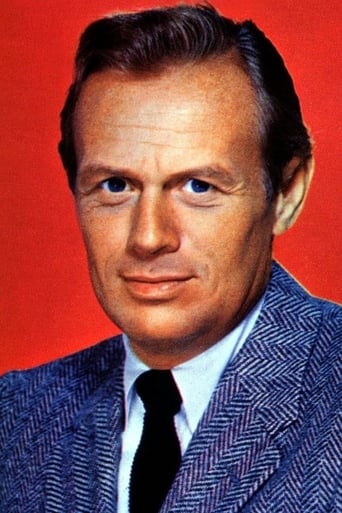
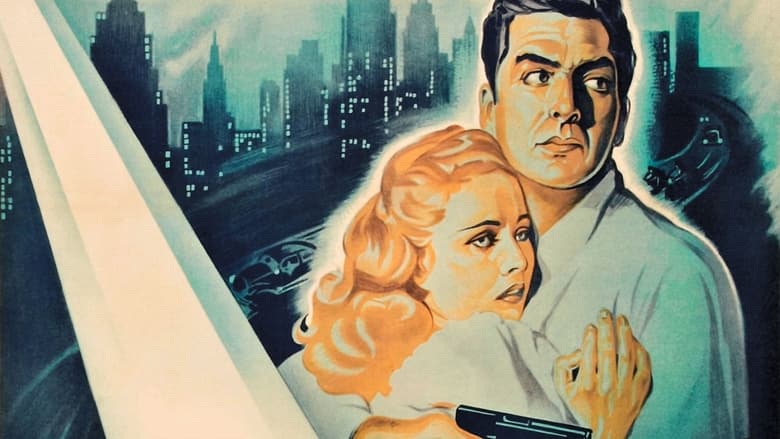
Richard Widmark was born in Wisconsin and trained extensively in theater before his explosive film debut in Kiss of Death (1947). His portrayal of the giggling sociopath Tommy Udo became iconic, earning an Academy Award nomination and establishing him as Hollywood's premier noir villain. His distinctive voice, lean intensity, and ability to shift from charisma to cruelty made him indispensable to the noir movement.
Throughout the late 1940s and 1950s, Widmark navigated both villain and protagonist roles with equal conviction. In films like Pickup on South Street and Night and the City, he demonstrated range beyond the psychopath, playing complex antiheroes driven by circumstance and moral ambiguity. His partnerships with director Jules Dassin and others produced some of cinema's most claustrophobic, ethically murky narratives.
Widmark's noir period peaked between 1947 and 1955, establishing him as a major star before transitioning to broader Hollywood roles. His legacy in noir cinema rests on his ability to make the criminal mind comprehensible without excusing it, bringing psychological depth to otherwise stock villain archetypes. He remained active in film and television until his death in 2008.
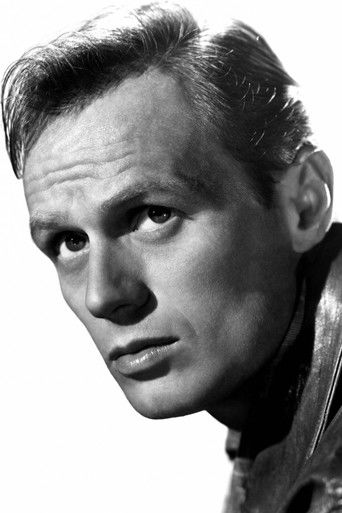
Widmark embodied the unpredictable criminal with unsettling charm and volatile intensity, making villainy feel disturbingly human. His infectious laugh masked genuine menace, creating some of noir's most unforgettable antagonists.