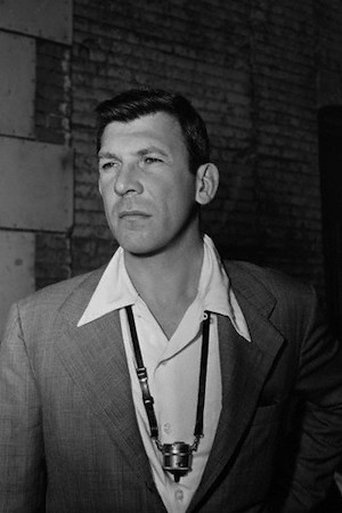
Richard Brooks was born in Philadelphia in 1912, the son of a rabbi and a concert pianist, an inheritance that infused his work with moral seriousness and intellectual rigor. After studying at Temple University, he drifted through various professions–actor, radio writer, novelist–before settling into screenwriting during the late 1930s. His early work in Hollywood demonstrated a fascination with dialogue and character psychology, but it was not until the post-war years that Brooks found his true voice as a director, transforming pulp narratives into vehicles for social conscience.
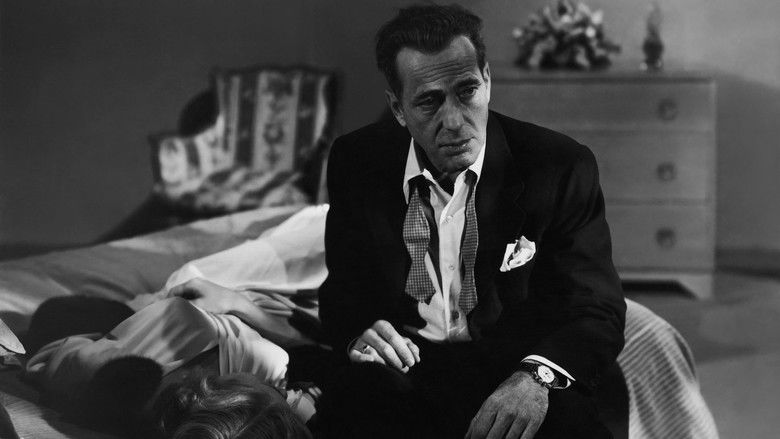
Brooks's noir period, roughly 1947 to 1952, produced some of the era's most emotionally direct and thematically challenging films. Crossfire (1947) tackled anti-Semitism with unprecedented bluntness for the period, while In a Lonely Place (1950) dissected the toxic marriage of ambition and paranoia in Hollywood itself. These were not films of atmospheric dread alone; they were arguments conducted through mise-en-scène and performance, each frame designed to expose rather than merely to suggest the machinery of prejudice and moral failure.
What distinguished Brooks from his noir contemporaries was his refusal to aestheticize corruption. Where Welles found beauty in decay and Siodmak found poetry in shadows, Brooks insisted on clarity and confrontation. His camera remained steady, his dialogue spare but loaded with implication. He favored long takes and medium shots that forced actors into psychological vulnerability; there was nowhere to hide in a Brooks composition. This austere style made his films feel almost documentarian, as though he were not inventing crime but merely revealing what had always been present.
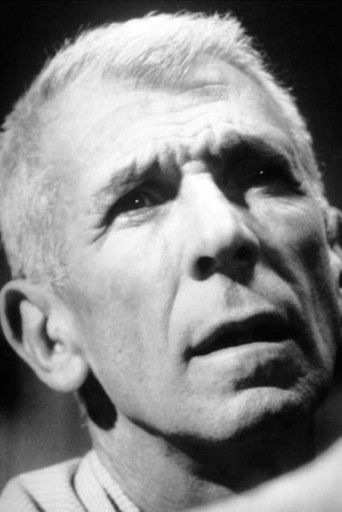
Beyond noir, Brooks continued his evolution as a humanist filmmaker, eventually finding broader commercial success with literary adaptations and dramas of personal conflict. Yet his noir work remains his most formally and thematically unified achievement–a body of work that proved the genre could be a vehicle for moral argument without sacrificing artistic integrity or emotional power.
Brooks emerged as noir's philosopher-detective, less interested in shadows and femmes fatales than in the psychological corruption of institutions and prejudice. His films interrogate not just individual crime but systemic injustice, transforming noir's visual language into a weapon for social critique.