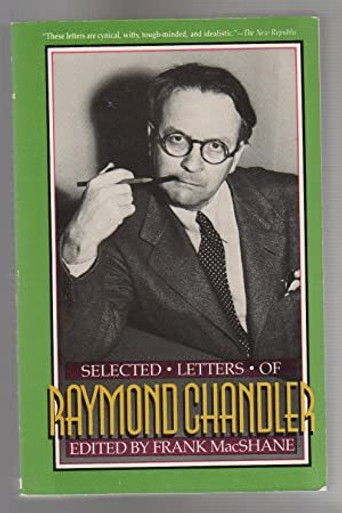
Raymond Thornton Chandler (1888–1959) emerged as one of American letters' most influential voices, though his path to literary prominence wound through decades of obscurity and struggle. Born in Chicago but raised in England, he cultivated a sophisticated sensibility before returning to Los Angeles in his twenties, where he worked sundry jobs–oil executive, accountant, auditor–while nursing artistic ambitions. Not until his fifties did Chandler publish his first short story in Black Mask magazine, launching a late-blooming career that would revolutionize detective fiction and, subsequently, cinema itself.
Chandler's creation of Philip Marlowe, the world-weary private detective with an incorruptible moral compass, provided noir cinema with its most enduring archetype. Through novels like The Big Sleep (1939) and Farewell, My Lovely (1940), Chandler crafted prose of unmatched elegance–hard-boiled surfaces concealing philosophical depths. His Marlowe navigated Los Angeles's underworld with sardonic wit and principled detachment, embodying a code of honor that set him apart from the venality surrounding him. Hollywood recognized Chandler's marketability and literary prestige, adapting his works prolifically and eventually hiring him as a screenwriter.
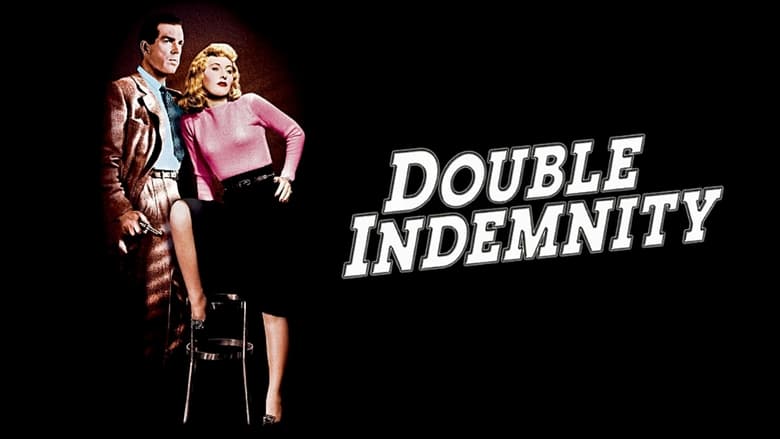
As a screenwriter, Chandler proved both asset and liability. His collaboration with director Billy Wilder on Double Indemnity (1944) produced one of noir cinema's supreme achievements, a film whose fatalistic psychology and sexual menace bore Chandler's unmistakable imprint. Yet Chandler chafed under studio constraints, feuded with producers, and grew increasingly embittered by Hollywood's compromises. Despite earning substantial sums, he regarded screenwriting as beneath his literary stature, viewing film work as commercial hackery that interrupted his true calling as a novelist.
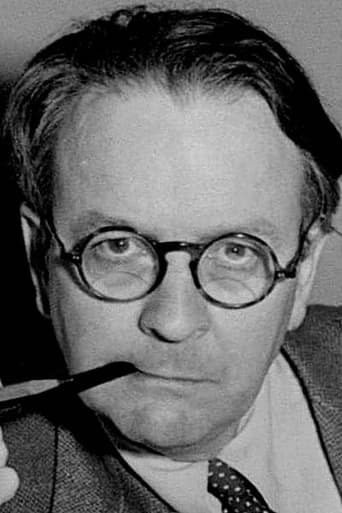
Chandler's influence on noir cinema extended beyond his adapted works; his stylistic fingerprints appeared throughout 1940s and 1950s detective pictures, as writers and directors internalized his cynical yet moralistic vision. His insistence on psychological realism and moral ambiguity elevated the genre's intellectual standing, proving that commercial entertainment could accommodate serious artistic intention. Though often dismissed as a mere genre practitioner, Chandler secured his legacy as one of American literature's architects of modernist sensibility, a writer whose sentences sang with noirish elegance.
Chandler represents the literary heavyweight who brought psychological depth and moral complexity to noir cinema. Unlike pulp writers who chased sensation, he crafted protagonists haunted by ethical quandaries in a corrupt world, transforming detective fiction into meditations on integrity and disillusionment.