Films People Pull a Fast One Night Beat Reading Room On TV Shop
Actor · The Menacing Gentleman

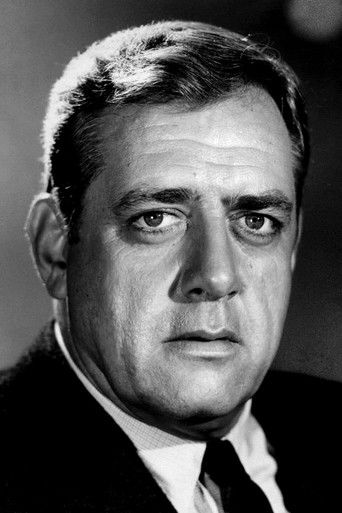
Raymond Burr

BornMay 21, 1917, New Westminster, British Columbia, Canada
DiedSeptember 12, 1993, Carlsbad, California, USA
Noir Films12 films
Peak Years1944–1954
Photo: TMDB
Scroll

Raymond William Stacey Burr was born in New Westminster, British Columbia, in 1917, the son of a hardware store owner and a concert pianist. He trained at the Pasadena Playhouse and built a reputation in theater before signing with Universal in the early 1940s. His imposing frame–over six feet tall and powerfully built–made him an instant casting choice for menacing roles, though his mellifluous voice and cultured bearing distinguished him from typical thugs. By 1944, he had begun his ascent through Hollywood's crime melodramas.

Burr's noir period coincided with Hollywood's darkest years. In Raw Deal (1948), he played a calculating crime boss with lethal sophistication, while His Kind of Woman (1951) showcased his gift for sinister charm opposite Robert Mitchum. Yet it was Alfred Hitchcock's Rear Window (1954) that cemented his legacy in the genre–as Lars Thorwald, the wife-murdering neighbor, he created one of cinema's most unforgettable killers, a man whose ordinariness made his capacity for violence all the more terrifying. The role required minimal dialogue but maximum psychological presence.

Burr brought an intellectual menace to his roles; he was never just a thug, always a thinker. – David Thomson, film historian

What distinguished Burr from mere character villains was his ability to convey internal life. Even in smaller roles, he invested his antagonists with motivation and complexity. He worked regularly throughout the 1950s, moving seamlessly between noir and the burgeoning television medium. His collaborations with directors like Fritz Lang and John Farrow demonstrated his professional respect within the industry, while his relationships with stars like Robert Mitchum and James Stewart revealed his standing among peers.
Raymond Burr

Burr's transition to television, particularly his iconic role as defense attorney Perry Mason beginning in 1957, would ultimately eclipse his noir work in popular memory. Yet his film noir performances remain essential viewing for understanding how an actor's sheer presence–physical, vocal, and psychological–could define a character. He proved that villainy, in the hands of a skilled performer, could be as complex and sympathetic as any hero's journey.

Noir Archetype The Heavyset Villain

Burr embodied the sophisticated yet sinister antagonist–a man whose bulk and commanding presence masked calculated cruelty. He brought psychological depth to roles that might have been mere obstacles, making his villains intelligent, articulate, and terrifyingly plausible threats to the noir protagonist.
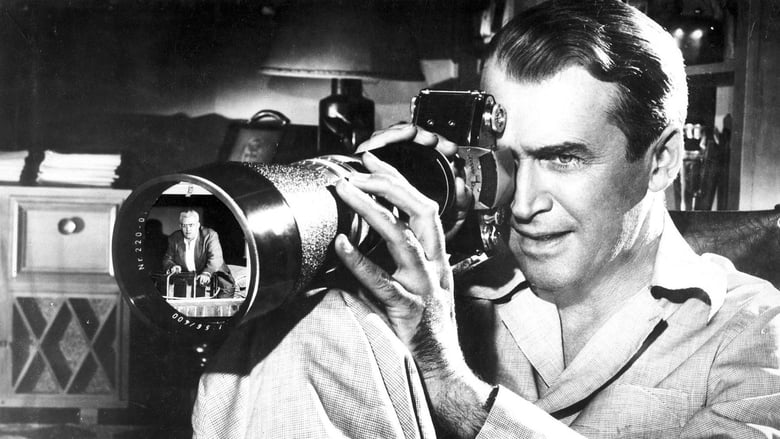
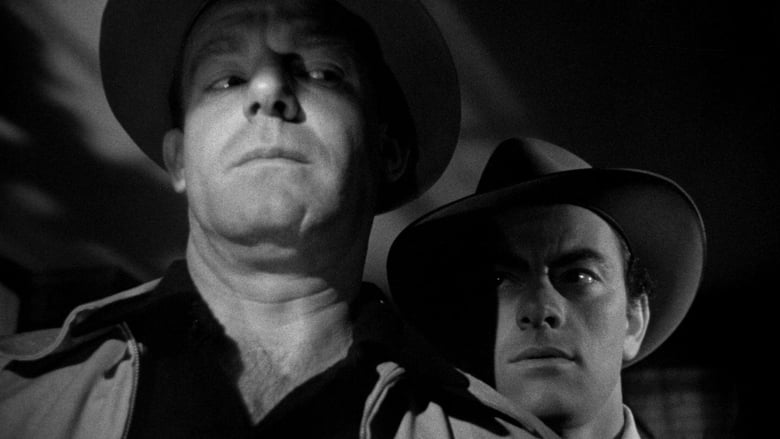
The Scene That Defines Them

Rear Window
Rear Window – 1954

The Confession

climax, third act

Thorwald, cornered in his apartment by L.B. Jefferies and the police, finally confronts the photographer who has exposed him. Burr's performance shifts from outraged innocence to cold confession to desperate violence–a masterclass in emotional economy. Without elaborate dialogue, his face and body language convey the unraveling of a carefully constructed normalcy, the moment when the ordinary neighbor becomes the murderer. The scene defines not just Burr's noir work but Hitchcock's technique of finding horror in the domestic.

That wedding ring–she was wearing it when I pushed her down the stairs.

The Noir Canon

YearFilmRoleDirector
1946The Postman Always Rings TwiceKyle SacchettiTay GarnettNotable
1948Raw DealRick CoreyAnthony MannEssential
1953The Blue GardeniaHarry PrebbleFritz LangRecommended
1951His Kind of WomanNick FerraroJohn FarrowEssential
1953Man in the DarkPete StriblingLew LandersNotable

The Road In

1917
Born in New Westminster, British Columbia

Raymond William Stacey Burr entered the world as the son of a hardware merchant and concert pianist, establishing his artistic pedigree from birth.

1937
Enrolls at Pasadena Playhouse

Burr undertook serious theatrical training at America's premier acting academy, where he developed the craft and presence that would define his film career.

1940
Film debut in San Quentin

Burr made his motion picture debut in a minor role, beginning a steady climb through Hollywood's studio system.

1944
Noir career gains momentum

Burr established himself as a formidable character actor in a series of crime dramas, building his reputation as a sophisticated screen villain.

1947
Raw Deal (1948) makes him a villain of choice

Anthony Mann's crime drama showcased Burr as Rick Corey, a sophisticated mobster, confirming his specialization in complex antagonists.

1954
Hitchcock casts him in Rear Window

Alfred Hitchcock selected Burr for the career-defining role of Lars Thorwald, transforming him into a cinema legend with a single, masterful performance.

1957
Perry Mason television debut

Burr's iconic role as defense attorney Perry Mason premiered on CBS, beginning a nine-season run that would overshadow his film noir legacy.

1960
Noir era concludes

By 1960, Burr had largely transitioned to television, ending his active period in film noir and cementing his reputation across two mediums.

1966
Perry Mason series finale

The final episode of the original Perry Mason series aired after nine consecutive seasons, making Burr a household name and television institution.

1993
Death in Carlsbad, California

Burr passed away at age 76, leaving behind a legacy that spanned radio, film, television, and theater–though his noir work remains his artistic pinnacle.