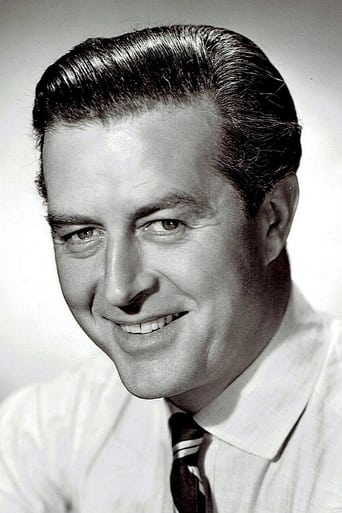
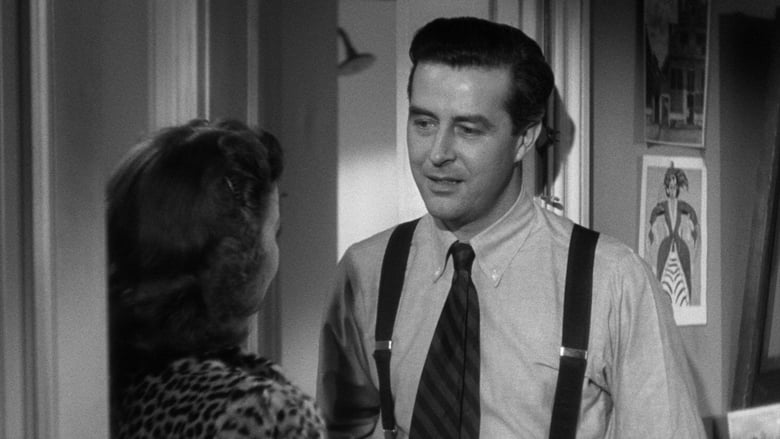
Reginald Alfred John Truscott-Jones was born in Neath, Wales, in 1907, the son of a schoolmaster and former actress. He adopted the stage name Ray Milland and trained at the Drury Lane Theatre in London before migrating to Hollywood in 1929. Throughout the 1930s, he accumulated supporting roles in comedies and costume dramas, establishing himself as a reliable if undistinguished leading man. His breakthrough came with Fritz Lang's Ministry of Fear in 1944, which revealed his capacity for psychological intensity and moral complexity, qualities that would define his noir work.
Milland's ascent to stardom coincided with Hollywood's embrace of psychological darkness. His portrayal of an alcoholic writer in Billy Wilder's The Lost Weekend (1945) won the Academy Award for Best Actor and remains his definitive role–a searing descent into addiction anchored by Milland's unflinching naturalism. The role demonstrated his ability to convey intellectual sophistication crumbling beneath personal demons, a dynamic he refined throughout the late 1940s in darker vehicles. Directors recognized in his refined bearing and penetrating gaze the perfect emblem of respectability corrupted.
In the early 1950s, Milland continued traversing noir's moral landscape, most notably in Alfred Hitchcock's Dial M for Murder (1954), where his charming society husband plots murder with chilling methodicality. His work opposite femme fatales and in tales of blackmail and deception showcased an underrated capacity for villainy–not of the brutal sort, but the calculated, civilized kind. He balanced leading roles with character parts, his star dimming slightly as the decade progressed, yet his commitment to complex, ambiguous characters remained undiminished.

A cultured man offscreen, Milland was an accomplished painter and sculptor who took his craft seriously beyond fame's demands. He directed films and television throughout the 1950s and beyond, extending his artistic vision beyond performance. His noir period, though occupying merely one chapter in a long career, crystallized his essence as an actor: the embodiment of intelligent corruption, the gentleman whose veneer masks depths of darkness.
Milland embodied the intelligent, articulate man of the world drawn into moral ambiguity through circumstance or weakness. His characters possessed sophistication and charm masking internal corruption or desperation, making him the ideal vessel for noir's exploration of respectability's thin veneer. He excelled at portraying men whose refinement becomes a liability rather than protection.