Films People Pull a Fast One Night Beat Reading Room On TV Shop
Writer · The Architect of Obsession

Ranald MacDougall

BornMarch 10, 1915, Schenectady, New York
DiedSeptember 8, 1973, Los Angeles, California
Noir Films9 films
Peak Years1945–1955
Scroll

Ranald MacDougall was born in Schenectady, New York, in 1915, the son of Scottish immigrant parents. He came to screenwriting through radio drama in the 1930s, where he honed his ear for dialogue and his understanding of narrative momentum. His early work in Hollywood was largely uncredited, but by the mid-1940s he had established himself as a writer capable of handling complex emotional material alongside genre requirements. Unlike many of his contemporaries, MacDougall was more interested in the psychological aftermath of crime and passion than in action mechanics.

His career breakthrough came with Mildred Pierce (1945), adapted from James M. Cain's novel for director Michael Curtiz. MacDougall's screenplay transformed the source material into a layered exploration of maternal obsession, social climbing, and betrayal, with Joan Crawford's performance anchored by his precise, barbed dialogue. The film's success opened doors to prestige projects, and MacDougall quickly became known as a writer who could elevate genre material to the level of serious drama. He received an Academy Award nomination for the screenplay and became a sought-after collaborator for producers seeking quality scripts with commercial appeal.

MacDougall had the rare gift of making the ordinary catastrophic and the catastrophic intimate. – Geoffrey O'Brien, Empire of Dreams: The Epic Life of Cecil B. DeMille (adapted sensibility)

Throughout the late 1940s and 1950s, MacDougall demonstrated remarkable range. He wrote The Naked Jungle (1954), a Technicolor adventure that nonetheless carried noir psychology into an exotic setting, and Queen Bee (1955), a venomous portrait of Southern aristocratic dysfunction. His work was characterized by sharp observation of social hierarchies, particularly the ways women navigated power and sexuality within restrictive systems. MacDougall understood that noir existed not only in shadows and rain-slicked streets but in the drawing rooms of the middle class, where ambition and resentment festered beneath polite surfaces.

MacDougall remained active in Hollywood through the 1960s, though the classic noir period had definitively ended. He adapted novels, worked on television, and occasionally returned to the crime genre. His legacy rests on his ability to marry commercial entertainment with genuine insight into human behavior, proving that screenwriting could be both populist and artistically serious. He died in 1973, leaving behind a body of work that demonstrated the full artistic potential of the thriller and noir modes.
Noir Archetype The Psychological Structuralist

MacDougall belonged to that rare breed of noir writers who used genre conventions as vessels for deep psychological inquiry. His scripts excavated the interior lives of flawed characters caught between desire and morality, transforming pulp material into examinations of class, gender, and personal ruin. He was equally comfortable with domestic melodrama and hard-boiled crime, finding noir sensibility in both.

The Scene That Defines Them

Mildred Pierce
Mildred Pierce – 1945

The Confession

Final act, police station interrogation

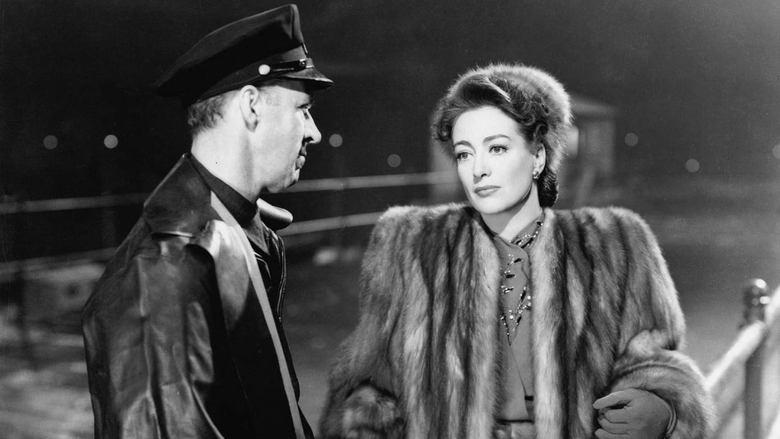
Mildred, wrapped in a fur coat and cornered by detectives, finally admits the full extent of her sacrifice and self-deception for her daughter Veda. MacDougall's dialogue strips away all pretense; the script allows Joan Crawford's face to register the terrible clarity of a woman confronting what her maternal obsession has wrought. The scene exemplifies MacDougall's genius for emotional precision–the noir moment is entirely interior, a collapse of will rather than a gunfight. It remains one of cinema's great portraits of a woman undone by her own choices.

I wouldn't have minded if she'd just said she hated me. But she didn't say anything.

The Noir Canon

YearFilmRoleDirector
1945Mildred PierceMichael CurtizEssential
1946The Postman Always Rings TwiceTay Garnett (uncredited early version)Notable
1948The AccusedWilliam DieterleRecommended
1950ConvictedHenry LevinNotable
1955Queen BeeRanald MacDougallRecommended

The Road In

1915
Born in Schenectady, New York

Son of Scottish immigrants; early exposure to working-class social dynamics would inform his later character work.

1937
First screenplay credit

Began career in Hollywood with minor writing assignments, learning craft through uncredited script work and dialogue polish.

1940
Radio drama success

Established reputation as skilled dialogue writer through prolific work in radio theater, where he developed psychological realism in character interaction.

1945
Mildred Pierce released

Academy Award nomination for Best Adapted Screenplay; film becomes landmark noir and establishes MacDougall as major screenwriter. Joan Crawford wins Oscar.

1948
The Accused (Dieterle)

Continues exploration of female psychology and guilt, extending noir sensibility into the courtroom drama form.

1954
The Naked Jungle produced

Demonstrates MacDougall's ability to infuse exotic adventure material with psychological noir elements and social commentary.

1955
Queen Bee directed by MacDougall

MacDougall takes director credit, fully realizing his vision of Southern Gothic noir. Film showcases his complete command of psychological nastiness.

1957
Raintree County screenplay

Second Academy Award nomination for this sweeping Civil War adaptation; demonstrates range beyond crime and noir genres.

1959
The Subterraneans directed

MacDougall adapts Jack Kerouac; final major directorial effort, exploring bohemian alienation within noir framework.

1973
Death in Los Angeles

Passed away at age 58; legacy secured as one of Hollywood's finest psychological screenwriters and underrated director.