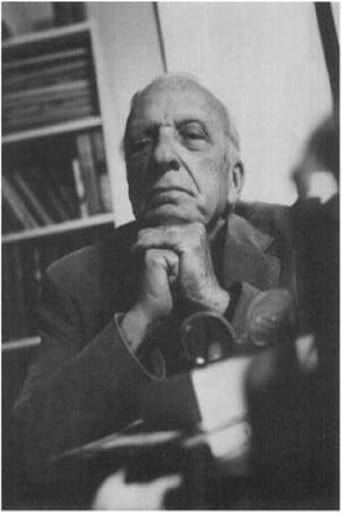
Philip Yordan was born in Chicago in 1914, the son of a Polish immigrant rabbi, an origin that would inform his lifelong preoccupation with moral transgression and the corruption of family honor. He came of age during the Depression, studying law at Loyola University while pursuing theatrical ambitions, eventually turning to screenwriting as the studio system solidified in the mid-1930s. His early work was undistinguished, but by the early 1940s, Yordan had begun to develop a distinctive voice: one obsessed with the mechanics of criminality and the architecture of downfall.
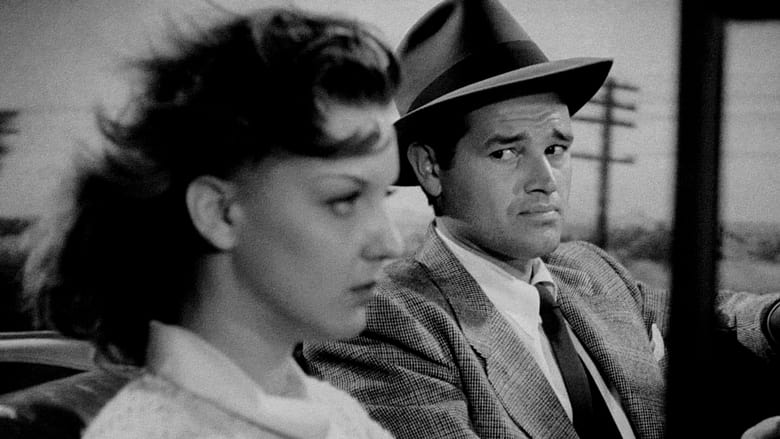
Detour (1945), made on a shoestring budget for PRC Pictures from a screenplay by Martin Goldsmith, became one of noir's most influential films despite its humble origins. The script distilled noir's essential fatalism into ninety minutes: a man's chance meeting with a corpse, a series of escalating lies, and an ending that punishes not villainy but mere existence. Yordan understood that true noir operated through constraint–financial, temporal, moral–and that limitation could paradoxically produce imaginative richness. The film's success, though modest at the box office, established him as a serious craftsman within the genre.
Throughout the late 1940s and 1950s, Yordan worked prolifically across studios, writing for directors of varying sensibilities including Otto Preminger, John Farrow, and Delmer Daves. House of Strangers (1949) showcased his growing sophistication in depicting dynastic corruption and Oedipal struggle, while Broken Lance (1954) translated similar family pathologies to the Western, demonstrating his range beyond pure crime narrative. Yordan possessed an almost Sophoclean sense of inevitable tragedy, yet he grounded his plots in the American idiom of business, law, and class aspiration rather than in classical precedent.
Yordan's career extended well beyond the classic noir period, but his 1940s–1950s work remains definitive. He received Academy Award nominations and won numerous accolades, yet his influence derived less from prestige than from his systematic exploration of noir's formal properties–how plot mechanics could become vehicles for metaphysical despair. By the 1960s, as noir aesthetics dispersed into television and European cinema, Yordan's reputation as a master craftsman of narrative entrapment was firmly secured.
Yordan was the noir writer who engineered narrative mechanics with precision, constructing plots of inexorable entrapment and familial corruption. He favored tightly woven schemes where circumstance and character collide with mathematical inevitability, transforming pulp material into psychologically complex examinations of American ambition and moral compromise.