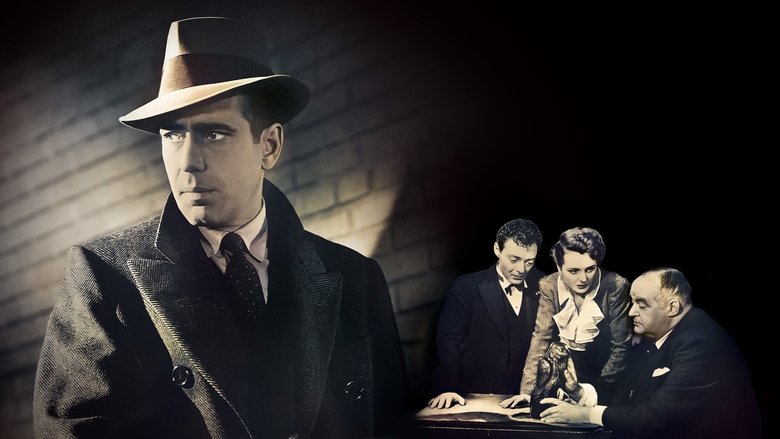
Born Lázló Löwenstein in Rózsahegy, Hungary, Peter Lorre arrived in America as an already-accomplished stage actor and refugee from Nazi Europe. His distinctive lisp and cadaverous frame made him instantly recognizable, and his European sophistication lent an air of corrupt cultivation to every role. By the early 1940s, he had become a fixture in Hollywood's darker corners, bringing Method intensity to minor roles that lesser actors would have squandered. His screen presence–simultaneously pathetic and menacing–made him indispensable to the emerging noir aesthetic.
Lorre's greatest asset was his psychological depth in conveying moral degradation. Whether playing informers, blackmailers, or desperate fugitives, he invested each character with an almost Dostoevskian sense of inner torment. In The Maltese Falcon (1941), his work with John Huston demonstrated a mastery of comic tension that elevated the film's procedural elements. He understood that noir's power lay not in physicality but in the display of human weakness, and he wore his characters' desperation like a second skin.
Throughout the 1940s and into the 1950s, Lorre appeared in a staggering number of B-pictures, crime dramas, and low-budget thrillers that defined noir's commercial backbone. The Mask of Dimitrios (1944) and Black Angel (1946) showcased his ability to anchor complex narratives with his nervous energy and subtle emotional intelligence. Though often relegated to supporting roles, he dominated nearly every frame he occupied; his presence suggested hidden knowledge and latent violence. Directors recognized that Lorre's face was a landscape of paranoia and guilt that required no exposition.
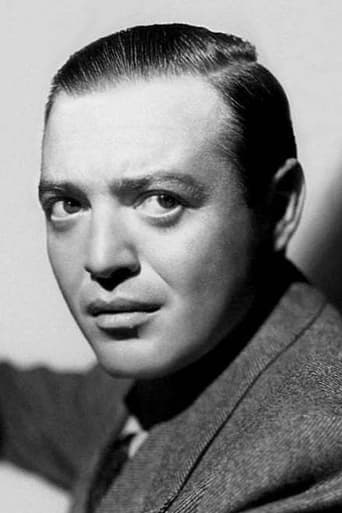
Lorre's later career saw him increasingly typecast in horror and comedy roles, yet his noir work remains his most artistically significant achievement. He died in 1964, largely forgotten by mainstream audiences but revered by film historians and noir enthusiasts. His influence on screen acting–the notion that vulnerability and neurosis could be as compelling as heroism–shaped generations of character actors. In Lorre, noir found its perfect interpreter: a man who understood that evil often wears a nervous smile.
Lorre embodied the nervous, duplicitous minor player caught between criminal factions–a man whose thin voice and darting eyes conveyed perpetual anxiety and moral compromise. He specialized in roles where survival depended on cunning rather than strength, making him the era's quintessential weasel, always one step ahead and two steps from betrayal.