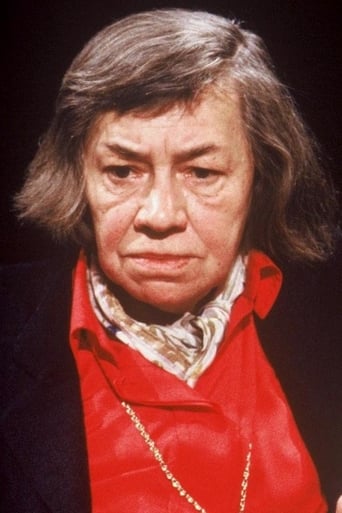
Patricia Highsmith emerged as American literature's most unsettling anatomist of criminal psychology, translating her literary gift into screenplays that would haunt postwar cinema. Born Mary Patricia Plangman in Fort Worth, Texas, she grew up in a household fractured by emotional distance, an experience that would inform her lifelong fascination with alienation and deception. Her early work in pulp magazines and comic books sharpened her narrative instincts before she turned to the literary crime novel, a form that allowed her to explore the interior lives of murderers with unprecedented psychological depth and moral indifference.
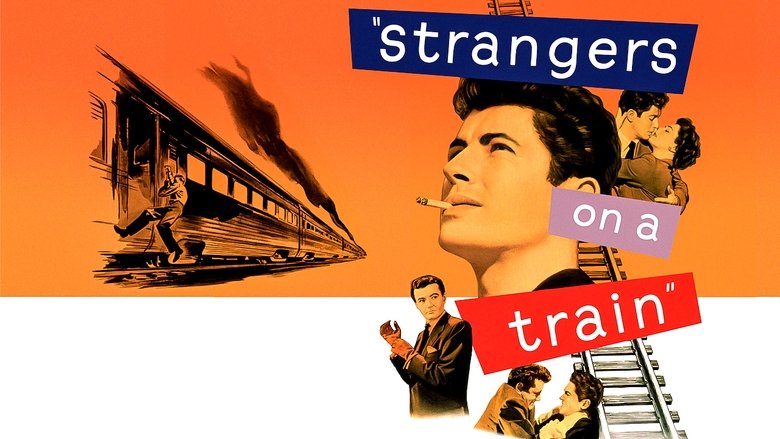
Highsmith's novel Strangers on a Train (1950), adapted by Alfred Hitchcock for his 1951 film, marked her arrival in cinema, establishing her as a writer who understood that the greatest noir dramas occur not in shadowed streets but in the troubled architectures of the mind. The screenplay, written by Raymond Chandler and Czenzi Ormonde from her source novel, brought to screen her scenario of twisted reciprocity–two strangers, one casual conversation, an agreement to commit murders neither could accomplish alone–that became a template for postwar psychological thriller. The collaboration revealed her gift for source material that could convey moral corruption through the most civilized utterances, turning cocktail-party banter into existential dread.
The Talented Mr. Ripley, adapted for cinema by Anthony Minghella decades later, originated in Highsmith's 1955 novel and established Tom Ripley as noir's most seductive sociopath–a protagonist whose moral vacancy is matched only by his charm and intelligence. Highsmith understood that the modern criminal was not a desperate man driven by circumstance but a calculating artist who murdered as casually as he forged documents or assumed false identities. Her literary work in the Ripley cycle influenced an entire generation of crime writers and filmmakers who recognized that postwar noir had evolved beyond the doomed man of classic 1940s cinema into something far more disturbing: the intelligent predator who enjoys his own monstrosity.
Though she spent much of her career in Europe, particularly in Switzerland and France, Highsmith remained America's supreme literary voice in noir psychology. Her meticulous, measured prose style–often appearing sparse and precise on the page–translated into screenplays of devastating simplicity. She published over twenty novels and numerous short stories, many adapted for film, establishing herself as the writer who proved that noir's true territory was not the night streets but the daylit spaces where ordinary people harbored extraordinary capacity for deception and violence.
Highsmith pioneered the literary crime narrative that rejected traditional morality, crafting protagonists who were charmingly corrupt rather than tragically doomed. Her influence redefined noir from a visual style into a philosophy of character–one where evil is banal, seduction is intellectual, and the criminal mind operates with unsettling rationality.