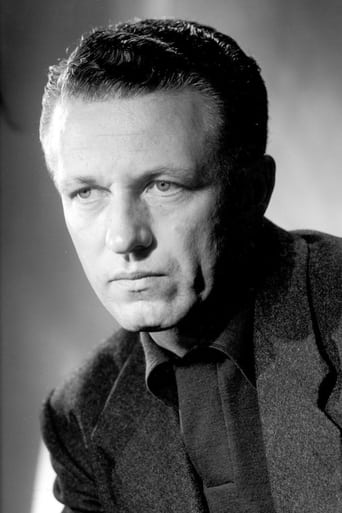
Nicholas Ray was born Raymond Nicholas Kienzle Jr. in Galena, Wisconsin, the son of a music critic and a former actress. He studied architecture at the University of Chicago before pursuing acting and then theater direction in New York, where he worked with the Group Theatre and came under the influence of radical leftist ideology. This background in humanistic drama would distinguish his later film work from the pulp sensationalism of conventional noir, imbuing even his darkest stories with philosophical inquiry and emotional authenticity.
Ray arrived in Hollywood in the early 1940s, initially as a writer and assistant before John Houseman recognized his directorial potential. His debut, They Live by Night (1948), announced a new sensibility in noir cinema: the story of young lovers on the run became, in Ray's hands, an elegy for doomed youth and the cruelty of fate. The film's fluid camera work, tender romanticism, and refusal to moralize marked him as an artist of unusual sensitivity, one who could see beauty and dignity in the margins of society.
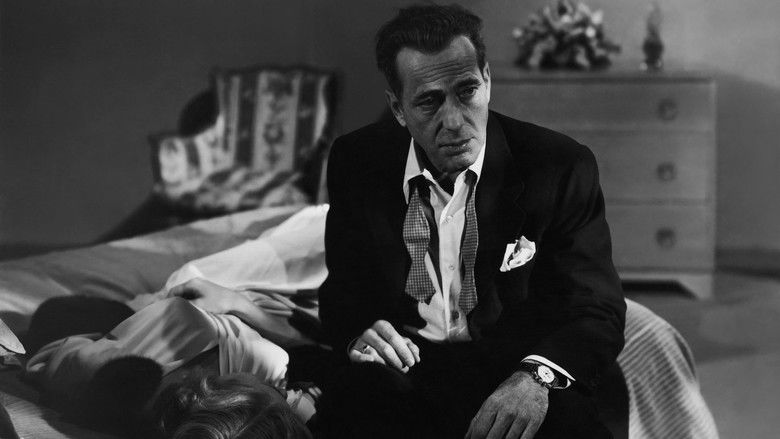
Throughout the 1950s, Ray consolidated his reputation as a philosopher of American alienation. In a Lonely Place (1950) stands as his masterwork, a searing portrait of masculine violence lurking beneath Hollywood glamour, with Humphrey Bogart delivering perhaps his most introspective performance. On Dangerous Ground (1951) paired noir brutality with unexpected grace, while his later work ranged across genres, always seeking characters trapped between desire and destruction, between connection and solitude.
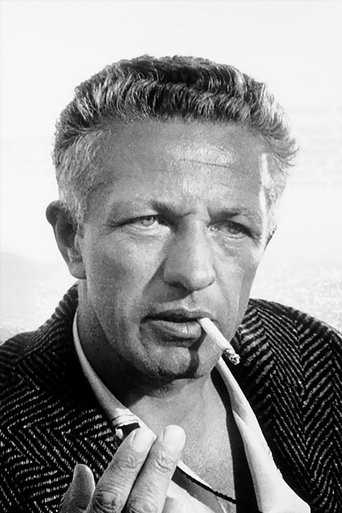
Ray's career was marked by his commitment to psychological realism and his empathy for social outsiders. Though sometimes dismissed as melodramatic or excessively personal, his best work endures because it locates genuine tragedy in ordinary moral complexity. His influence on postwar cinema–particularly the French New Wave and American independent filmmaking–testifies to his stature as one of noir's most uncompromising visionary directors.
Ray belongs to that rare class of noir directors who infuse criminal desperation with lyrical melancholy and psychological depth. His protagonists are doomed not by circumstance alone but by their own yearning for connection and redemption, making their falls tragic rather than merely sordid. He transforms the noir landscape into a stage for intimate human collision.