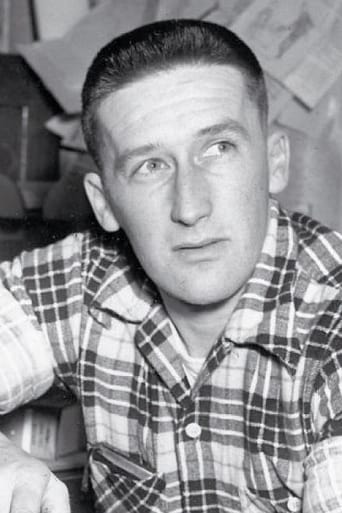
Frank Morrison Spillane (1918–2006) emerged from the comic book industry to become one of postwar America's most prolific and controversial crime writers. Born in Brooklyn, he began his career ghostwriting for Timely Comics before transitioning to pulp magazines and hardboiled fiction. His 1947 debut novel I the Jury introduced Mike Hammer, a Manhattan private investigator who would become the archetype of the brutal, amoral detective. Spillane's prose style–lean, violent, and sexually frank–scandalized literary establishments while captivating mass audiences, establishing him as the bestselling author of the 1950s and a primary architect of noir sensibility.
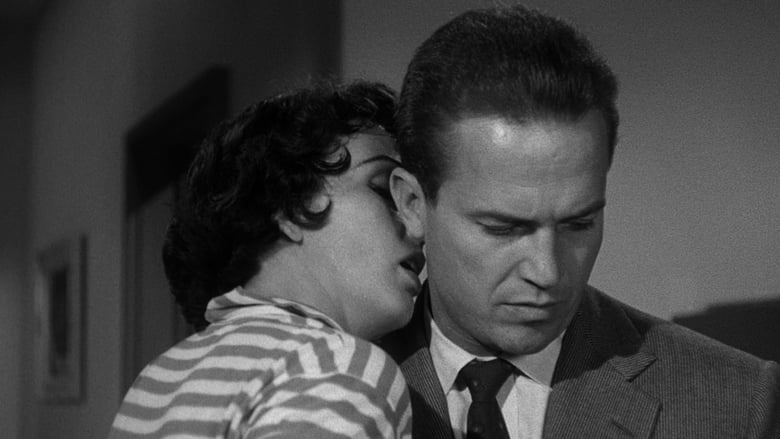
Spillane's adaptation to film occurred within the golden age of noir cinema, as producers recognized the cinematic potential of his Hammer novels. Kiss Me Deadly (1955), directed by Robert Aldrich, became the definitive Spillane adaptation, transforming the source material into a nuclear-age allegory of American paranoia and urban decay. The film's opening sequence–the iconic credits rolling over Hammer's car in the California desert–established visual shorthand that became synonymous with 1950s noir. Aldrich's direction amplified Spillane's cynicism, creating a protagonist whose casual brutality and moral vacancy reflected the era's anxieties about masculinity, violence, and atomic dread.
Spillane's literary success facilitated multiple adaptations beyond Aldrich's collaboration. I the Jury (1953), directed by Harry Essex, and My Gun Is Quick (1957) brought different directorial sensibilities to Hammer's world, each emphasizing various dimensions of Spillane's source material. These films collectively established a Spillane cycle within noir cinema, characterized by graphic violence, objectified female bodies, and protagonists unconstrained by conventional morality. The commercial viability of Hammer on screen validated pulp fiction's cinematic potential and challenged the Production Code's restrictions on explicit content.
Spillane's influence on noir cinema extended beyond faithful adaptation; his stylistic innovations–rapid-fire dialogue, sudden brutality, sexual frankness–permanently altered the genre's conventions. His work represented a democratization of noir sensibility, moving it from literary and artistic circles into mass entertainment. Though criticized by intellectuals for sensationalism and misogyny, Spillane's novels and their film adaptations articulated authentic postwar disillusionment and crystallized the detective as a morally ambiguous figure reflecting American society's contradictions.
Spillane represents the rare pulp writer whose hardboiled sensibility and commercial success elevated genre material into cinema. His works embody the noir ethos of moral ambiguity, explosive violence, and the lone detective navigating a corrupt underworld. Unlike literary contemporaries, Spillane's adaptations maintained his distinctive voice: brutal, sexualized, and uncompromisingly cynical.